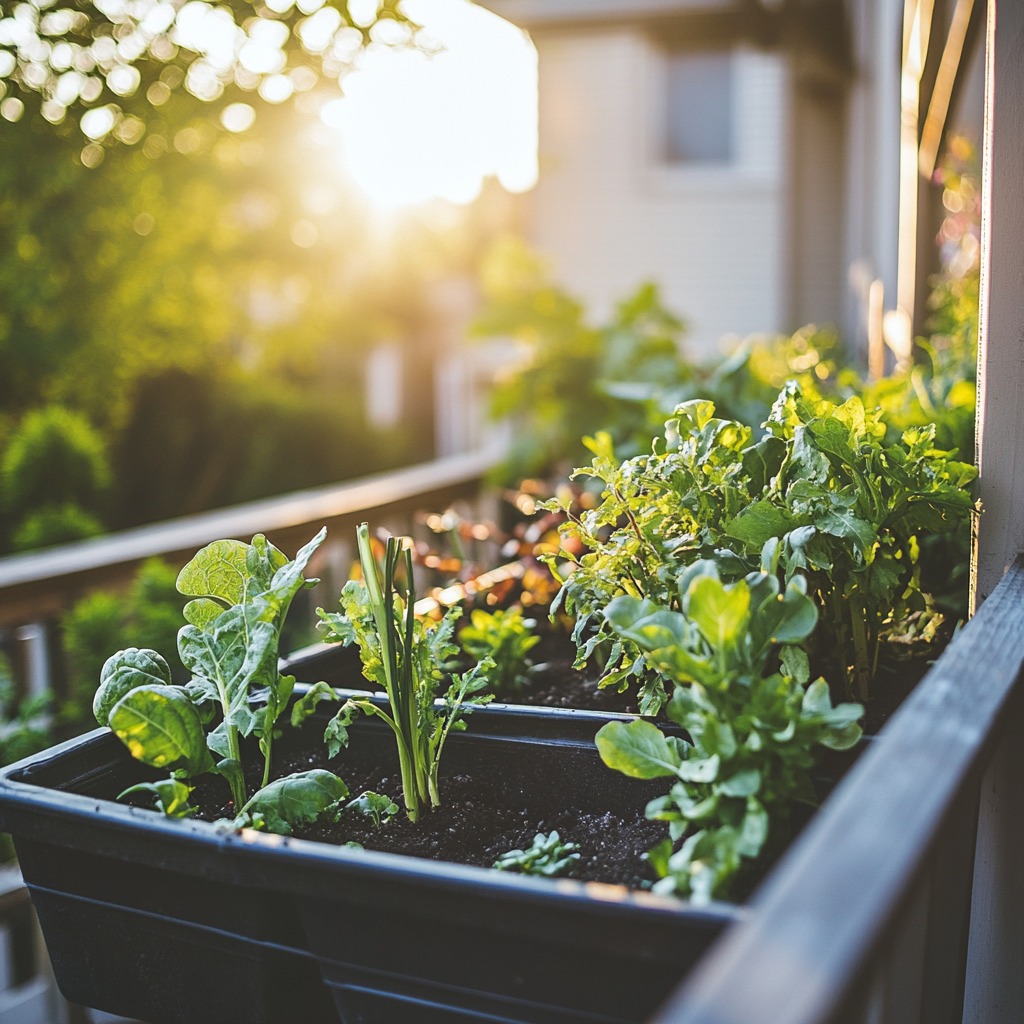
Different types of kitchen garden
Discover the different types of vegetable gardens and choose the right one for your situation. Learn how to start a kitchen garden regardless of the space and time available.
Whether you have a balcony, city garden or large yard, there is always a kitchen garden that suits your space and lifestyle. With the right planning, suitable soil and smart combinations of vegetables and herbs, you can enjoy fresh harvests all season long. Discover how to set up a productive kitchen garden step by step, even with limited time or space, and experience the pleasure of growing your own in every corner of your garden.
Preparation and cultivation
Soil preparation and structure
A healthy kitchen garden starts with a well-prepared soil. In early spring, dig the soil, remove weeds and mix in compost or well-decomposed manure. In Dutch clay or sandy soil, adding organic material helps to improve the structure and retain moisture better. Check the pH value and adjust it with lime or peat if necessary. An airy, nutritious soil ensures that young plants take root quickly and are more resistant to drought and diseases.
Sowing and growing young plants
Start sowing indoors or in a cold frame as soon as the days lengthen, usually from February or March. Use clean pots and sowing soil to prevent mold. Keep the temperature and humidity stable and water carefully with a plant sprayer. Once the seedlings have two true leaves, you can transplant them into larger pots. Allow them to gradually acclimate to outdoor conditions before planting them out. This way you develop strong, resilient plants that grow well in the open ground.
Planning and timing of the growing season
A good cultivation plan prevents you from sowing too much or too little and helps to make optimal use of the space. Make a schedule that takes into account the sowing and harvesting times of different crops. In the Dutch climate it is smart to start early with cold-resistant varieties such as lettuce, spinach and radish, and only set out heat-loving plants later. With smart planning you can achieve multiple harvests per season and your kitchen garden will remain productive all year round.
Planting and care
The right planting distance and timing
When planting out, it is important to only move young plants outside when the risk of night frost has passed, usually after mid-May in the Netherlands. Give each plant enough space so that roots and leaves can develop properly. Vegetables planted too close together grow less vigorously and are more susceptible to mold. Use a planting line or stake to create straight rows and water immediately after planting so that the roots make good contact with the soil.
Care during the growing season
A healthy kitchen garden requires regular care. Keep the soil moist but not soggy and water preferably in the early morning to limit evaporation. Remove weeds weekly to ensure nutrients remain available for your crops. Check for snails and aphids and intervene in a timely manner with environmentally friendly means. Regular weeding, aerating and observation can help you identify problems early and keep your kitchen garden productive and strong.
Support and fertilization
Many vegetables benefit from extra support or nutrition during the season. Place pole beans, tomatoes and cucumbers on bamboo sticks or racks in a timely manner so that they grow straight up and dry better after rain. Fertilize lightly with compost or liquid plant food every few weeks to stimulate growth. Be careful not to over-fertilize, as this can cause soft growth and pests. Balanced care ensures sturdy plants and a rich harvest.
Harvest and store
Determine the right harvest time
Harvest vegetables and herbs when they have reached their full flavour and nutritional value. In the Dutch summer, early in the morning is often the best time, because the plants are still cool and sturdy. Regularly check whether fruits are ripe by feeling and tasting, and it is better to pick too early rather than too late to prevent over-ripening or mold. By harvesting consistently you also stimulate new growth and extend the productive period of your kitchen garden.
Smart storage for longer shelf life
After harvesting, it is important to store vegetables and herbs properly. Root vegetables can be stored in a cool and dark place, while leafy vegetables are better kept in a damp cloth in the refrigerator. Herbs can be dried or frozen to preserve their aroma. Avoid direct sunlight and only wash products just before use. By careful storage, you can enjoy your own harvest for weeks without loss of quality.
Stock up for the winter
If you also want to enjoy your kitchen garden in the winter, preserving, fermenting or freezing is a smart choice. Tomatoes, courgette and beans keep well in jars or frozen, while cabbage types are suitable for sauerkraut or kimchi. Use clean jars and label with date and contents. This way you build up a varied stock that is not only practical, but also a reminder of the growing season in your own garden.
Raised kitchen garden box made of wood
A sturdy wooden kitchen garden box is ideal for small gardens or balconies and provides good drainage and clear cultivation areas. In the Dutch climate, the soil warms up faster, which promotes the growth of vegetables and herbs. Choose sustainable wood and fill with nutritious kitchen garden soil for a healthy start.
View productSowing and growing kit for indoors and outdoors
With a complete sowing and growing kit you can start sowing indoors early in the season and later plant the young plants outside. Handy for those who have limited space or want to extend the growing season. Use biodegradable pots and a light windowsill for best results.
View productOrganic kitchen garden fertilizer
An organic fertilizer gradually nourishes the soil and stimulates soil life, which is essential for healthy plants in any type of kitchen garden. In the Dutch climate this helps to retain nutrients during wet periods and support growth in spring and summer.
View product