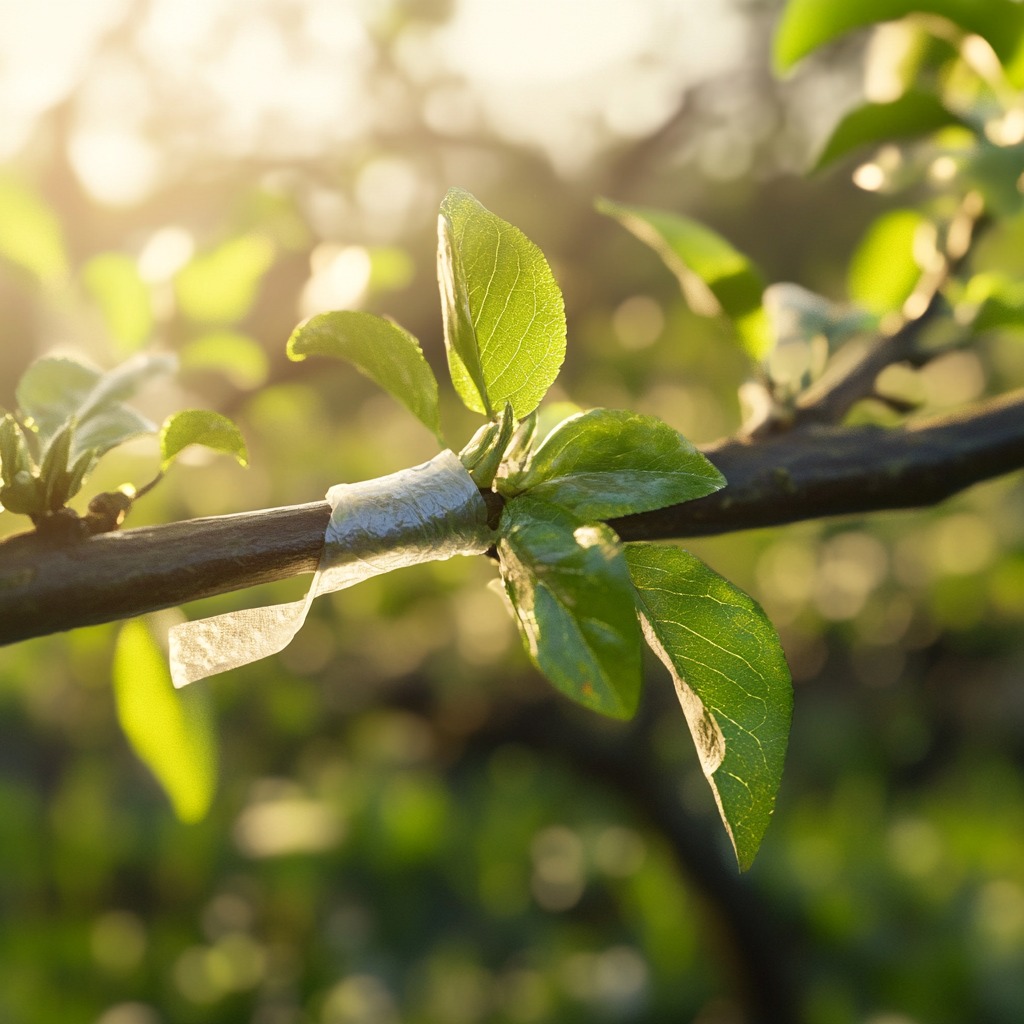
Successfully grafting fruit trees
Discover the art of grafting for a strong, productive fruit tree. Learn how to choose the right rootstock, prepare a scion and which materials are indispensable.
With careful grafting, you can grow strong, healthy fruit trees that are more resistant to disease and bear more fruit. By combining the right rootstock with a well-chosen graft branch and using clean tools, you increase the chance of successful regrowth. This technique requires some practice, but in the Dutch climate it produces sustainable trees that produce a rich harvest for years to come.
Preparation and cultivation
Choosing the right rootstock
A strong graft starts with a suitable rootstock. Choose a rootstock that suits the soil type and the desired growth type, for example weak-growing for small gardens or vigorous for spacious orchards. In the Netherlands it is important that the rootstock is winter hardy and resistant to wet soil. Check that the roots are healthy and firm, without damage. By selecting a rootstock that suits your fruit type and local conditions, you lay the foundation for successful growth and a tree that remains vital for years to come.
Prepare grafting branches
The graft branch, also called scion, determines the variety of the future tree. In winter, during the dormant period, cut healthy one-year shoots from a well-bearing mother tree. Keep these cool and moist, for example in damp sand or a plastic bag in the refrigerator, until the moment of grafting. Make sure the buttons are sturdy and undamaged. By carefully selecting and storing the grafting material, it remains vital and increases the chance of strong growth once the sap flow starts in the spring.
Tools and hygiene
Clean and sharp tools are essential for successful grafting. Use a sharp grafting knife or pruning shears and disinfect them before each new graft to prevent the transfer of fungi or bacteria. Preferably work on a dry day so that the cut surfaces do not get wet. Also keep your hands clean and work on a stable surface. A smooth, precise cut ensures good contact between rootstock and graft branch, which significantly increases the chance of regrowth. This is how you lay the foundation for healthy, well-growing fruit trees.
Planting and care
When and where to plant out
Plant the grafted fruit tree in early spring or autumn, when the ground is not frozen and still sufficiently moist. Choose a sunny, sheltered spot with well-drained soil so that the young roots can establish quickly. Avoid wet areas where water remains, as this can cause root rot. Place the grafting site just above the soil surface and water generously after planting to prevent air gaps and encourage growth.
Care in the first year
Regular care is crucial in the first growing season. Keep the soil around the trunk free of weeds and provide extra water during drought, especially in summer. Check that the graft site remains firm and remove any shoots that appear under the graft. A light fertilization in the spring helps the young tree to establish, but do not overdo it. Tie the trunk loosely to a support post to prevent wind damage and check the binding regularly.
Pruning and further construction
After the first year, topiary pruning begins to develop a balanced crown. Prune in late winter or early spring, when sap flow is still quiet. Remove crossing or inward growing branches and keep the central branch free for an open structure. This promotes light and air circulation, which prevents fungal diseases. Always use clean, sharp tools and, if necessary, seal pruning wounds with a wound balm to prevent infections.
Harvest and store
The right time of harvesting
When the grafted fruit tree bears its first fruits, it is important to determine the correct harvest time. In the Netherlands this varies per type: apples and pears are usually picked in September, while stone fruits ripen earlier. Pay attention to the colour, smell and firmness of the fruit. Pick by hand and loosen the fruit slightly to avoid damage. Harvesting too early reduces the taste, while fruit picked too late spoils more quickly. This way you preserve the quality of your carefully grafted tree.
Storing harvested fruit
After picking, a cool, dark and well-ventilated area is ideal for storing fruit. Apples and pears last longer at a temperature around 4 degrees, while soft fruit is better processed immediately. Check regularly for rotten specimens to prevent spread. Use wooden boxes or crates with straw or paper in between to avoid pressure points. By storing carefully, you can enjoy the harvest of your grafted fruit trees for weeks.
Process and store for the winter
An abundant harvest can be excellently processed into juice, jam or compote. This not only extends the shelf life, but also ensures variation in use. Freezing is another option, especially for soft fruits such as plums or cherries. Core and cut the fruit before freezing so that it can be used immediately later. By processing it in time and storing it properly, you get the most out of your grafted fruit trees and you can also enjoy your own harvest in the winter.
Dutch practice: Successful grafting of fruit trees
Monthly planning for Dutch conditions
Plan Successful grafting of fruit trees based on Dutch seasons and not on general international schedules. In most regions, soil development starts from February or March, with planting out after the last chance of night frost around mid-May. In coastal areas, the soil often warms up later due to wind, while sandy soils warm up faster than clay. Work with a fixed weekly check per month: soil temperature, precipitation, disease pressure and growth rate. This way you steer based on the real Dutch weather instead of just a calendar date.
Soil choice in the Netherlands: clay, sand and peat
Soil management in the Netherlands is decisive for successful grafting of fruit trees. On clay, structural improvement with compost and mulch helps to prevent silting. In sandy soils, moisture retention is the priority with organic matter and gentle, deeper watering. On peat soil you pay extra attention to nutritional deficiencies and a stable pH. Choose one approach per bed and evaluate it after each rainy period, because Dutch showers can cause a lot of leaching or waterlogging in a short time. By making soil choices explicit, the chance of success visibly increases.
Limiting weather risks in practice
In the Netherlands, prolonged rain, sudden temperature changes and snail pressure are the most common risks. Therefore, work preventively: sufficient plant distance for air circulation, water at the base instead of over the leaves, and a quick inspection round after wet days. When in doubt, stick to a simple decision rule: first drainage and air, then nutrition, and only then action against pests. This prevents overcorrection and makes successful fruit tree grafting more consistent throughout the season, even in changeable years.
Grafting knife with interchangeable blade
A sharp grafting knife with interchangeable blade ensures clean cuts when grafting fruit trees. This promotes good growth between rootstock and graft branch. Choose a model with a comfortable grip and stainless steel, so that it performs well even in humid weather in the Netherlands.
View productOrganic grafting wax for fruit trees
With biological grafting wax you protect the grafting site against dehydration and infections. The wax seals the wound and remains flexible during temperature fluctuations, ideal for the Dutch spring. Use it immediately after grafting for optimal healing and strong adhesion.
View productRootstocks for apple and pear trees
Strong rootstocks form the basis for healthy fruit trees. Choose varieties that suit the Dutch soil and growth vigor, such as M9 or Quince A. They provide a good balance between growth and fruit set and are suitable for both hobby and professional growers.
View product