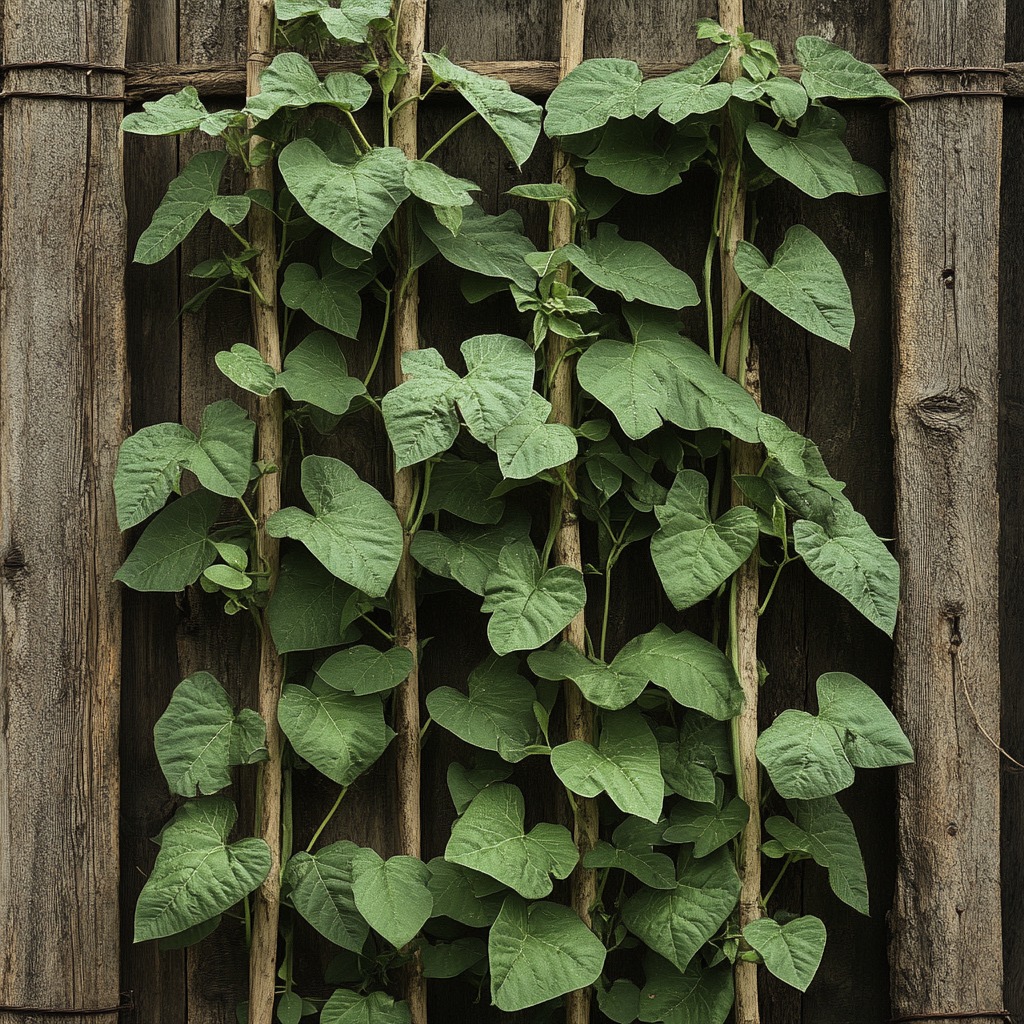
Stick bacon beans
Grow your own healthy and tasty pole beans in your garden and enjoy a rich harvest full of fiber and nutrients.
With pole beans you get an abundant harvest from your kitchen garden, full of flavour and healthy nutrients. These climbing beans grow vigorously in the Dutch climate and produce long, tender pods that are ideal for fresh meals or for freezing. By planting them in a sunny spot and providing good support, you will enjoy a long harvest period and a graceful green accent in your garden.
Preparation and cultivation
Soil preparation and location
Pole beans require loose, well-drained soil that is rich in organic matter. In early spring, work compost or well-decomposed manure into the top layer and ensure that the site is sunny and sheltered. Avoid wet, cold soil as this slows germination. A pH between 6 and 7 is ideal. By warming the soil in time with a fleece cloth or black foil, you can sow earlier and the young plants will get a head start in growth and resistance.
Sow and propagate indoors or outdoors
Only sow pole beans when the soil temperature is above 10 degrees, usually from mid-May. If you want to start earlier, you can pre-sow indoors or in a greenhouse in pots with sowing soil at the end of April. Place one bean per pot at a time and keep the soil slightly moist. The first sprouts will appear after about two weeks. Allow the young plants to harden off by placing them outside during the day before planting them out, so that they are better able to withstand temperature fluctuations.
Planting and support
Plant out the young pole beans as soon as there is no longer a chance of night frost and the plants are sturdy enough. Place them in rows about 40 centimeters apart and give each plant a stick or rope to climb along. Tie the stems loosely so that they are not damaged. Water generously after planting and keep the soil moist but not soggy. A mulch layer helps to retain moisture and suppress weeds, which promotes growth.
Planting and care
When to plant out
Only plant the young pole beans outside once the risk of night frost has passed, usually mid-May. The soil must be well warmed, because cold soil inhibits growth. Place the plants in a sunny, sheltered spot with enough space between the rows so that air can circulate properly. Water immediately after planting to get the roots established and keep the soil slightly moist for the first few weeks. This way the beans get a strong start and quickly develop sturdy tendrils.
Support and guidance
Once the plants start climbing, they will need sturdy stakes or a bean rack. Arrange the canes in a pyramid shape or in rows with twine between them so that the vines can easily grab hold. Gently tie young shoots to guide them in the right direction. Check regularly whether the plants are growing well and replace loose ropes in a timely manner. Stable support prevents the beans from falling over in the wind and promotes even growth and harvest.
Care during growth
Keep the soil around the pole beans free of weeds and water regularly, especially during dry periods. A mulch layer of straw or compost helps retain moisture and prevents dehydration. Feed lightly with compost tea or an organic fertilizer weekly to stimulate growth. Remove damaged leaves to prevent mold and harvest regularly to promote new pods. With this care, the plants remain healthy and deliver an abundant harvest until late summer.
Harvest and store
When to harvest
Pole beans are ready for harvest as soon as the pods feel firm but are still tender, usually about two to three weeks after flowering. Pick regularly to encourage the plant to form new pods. Harvest in dry weather to prevent mold formation and use both hands to avoid damaging the stems. Check weekly as beans grow quickly in warm periods. By consistently picking you extend the harvest period and the beans remain juicy and full of flavour.
Store fresh and freeze
After picking, you can store pole beans in the vegetable drawer of the refrigerator for a few days, preferably in a perforated bag so they can breathe. For longer storage, blanch the beans briefly in boiling water, cool them quickly in ice water and then freeze them in portions. This way they retain their colour, structure and nutritional value. Label the bags with the date and type so that you can easily choose which harvest to use later.
Drying and preserving
If you want to store bacon beans for longer without a freezer, you can dry or preserve them. To dry, allow the pods to fully ripen on the plant until they are yellow and rustling dry, then shell the beans and store them airtight. You can preserve the beans by briefly boiling them and storing them in clean jars with vinegar, herbs and water. Both methods produce a stock that will keep for months and is ideal for winter dishes.
Bamboo canes for climbing beans
Sturdy bamboo canes about 2.5 meters high provide excellent support for polebeans and other climbing plants. Place them in a wedge shape or tepee construction so that the plants can climb well, get enough air and sunlight and prevent mold formation. This promotes healthy growth and a bountiful harvest throughout the season.
View productOrganic bean seeds stick beans
Choose organic cane beans seeds that thrive in the Dutch climate and provide long, tender pods with a full flavour. These seeds are suitable for both open ground and greenhouse. Sow them after mid-May when the soil has warmed and water regularly for a healthy, productive plant.
View productOrganic kitchen garden fertilizer for legumes
An organic fertilizer with extra potassium and phosphorus stimulates the growth, flowering and pod formation of pole beans. Work the fertilizer into the soil before planting and give another light application mid-season. This way the plants stay strong, produce longer and deliver an abundant harvest.
View productRecipe inspiration

Summer runner bean stew
Enjoy this summer stew with chunks of bread for dunking. It’s also perfect alongside lamb cutlets or white fish
View recipe
Charred courgettes, runner beans & ricotta
This vegetarian side dish of charred courgettes and runner beans sings summer and also has a small bite of hot chilli. It goes down well at barbecues
View recipe
Cacio e pepe with runner beans
Cacio e pepe or "cheese and pepper" is a Roman classic – an easy pasta sauce that uses pasta water for silky texture. Runner beans add freshness and bite
View recipe