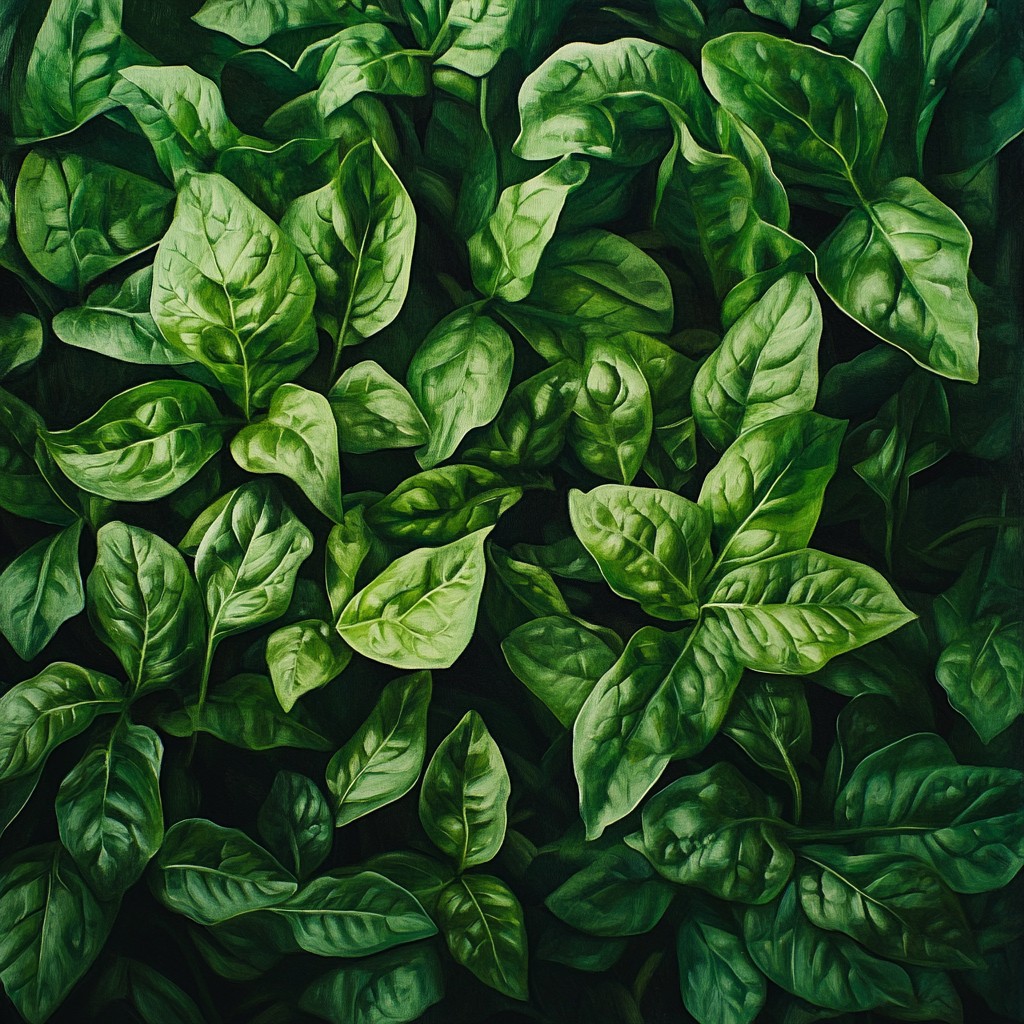
Spinach
Learn how to grow spinach successfully with the right soil and seeding methods for a bountiful harvest of healthy leaves.
Spinach is a fast-growing leafy vegetable that suits the Dutch climate and is rich in iron, vitamins and fiber. With a well-prepared, moist soil and regular care you can harvest several times per season. By sowing intelligently in early spring and again in late summer you can significantly extend the harvest period. Discover how you can achieve a healthy and productive spinach harvest in your own garden with simple cultivation methods, such as thin sowing and timely watering.
Preparation and cultivation
Soil preparation for strong growth
Spinach grows best in loose, moist and well-drained soil with plenty of organic matter. Work compost or well-decomposed manure into the top layer in early spring to improve structure and replenish nutrients. Avoid heavy clay soil or soil that is too acidic; a pH between 6 and 7 is ideal. Level the bed and remove stones and weeds so that young plants are not displaced. An evenly moist soil prevents bolting and promotes even germination.
Sow at the right time
Sow spinach as soon as the soil is workable in spring, usually from March, or in late summer for a second crop. Sow in shallow trenches about two centimeters deep, keeping a distance of five centimeters between the seeds. Cover lightly with soil and press gently. Keep the soil moist but not wet until the seedlings appear. In warm weather it is better to sow in the shade to prevent dehydration. Regular thinning prevents the plants from growing too close together.
Care of young plants
When the first leaves appear, it is important to keep the soil loose and remove weeds in a timely manner. Water regularly, especially during drought, because spinach does not tolerate dehydration. A mulch layer of fine straw or compost helps retain moisture and prevents splashing sand on the leaves. Check for snails and aphids and remove them manually. By consistently weeding and watering, the young plants quickly grow into sturdy rosettes that are ready for the first harvest.
Planting and care
Plant out in open ground
When the young spinach plants have three to four leaves, they can be planted in the open ground. Choose a cloudy day or plant in the evening to avoid burning. Keep a distance of about four inches between the plants so that they have plenty of room to grow. Press the soil lightly around the roots and water immediately. An airy, moist soil helps the roots to establish quickly and prevents growth stress in the first days after planting out.
Watering and fertilizing
Spinach likes an evenly moist soil, especially during warm or dry periods. It is better to water small amounts more often than a lot every now and then, so that the soil does not dry out or become too wet. Preferably use rainwater at room temperature. Light fertilization with compost or a nitrogen-rich organic fertilizer supports leaf growth. Avoid over-fertilization, as this can lead to too much nitrate in the leaves and a less firm structure.
Control weeds and diseases
Keep the bed weed-free so that the young spinach plants are not crowded out. Weeding is done carefully by hand or a small hoe so as not to damage the roots. Check regularly for aphids and downy mildew, especially in humid weather. Good air circulation and sufficient plant spacing help prevent fungal problems. Remove affected leaves immediately and change growing locations annually to limit diseases in the soil and keep the plants healthy.
Harvest and store
When to harvest spinach
Harvest spinach when the leaves are firm and fresh green, usually three to six weeks after sowing. Cut the outer leaves first so that the center can grow through for a second cutting. Avoid harvesting during the hottest hours of the day to prevent limp leaves. In the spring you can often harvest several times, while in late summer growth is slightly slower. Use a sharp knife or scissors to limit damage to the plant and keep the leaves clean and dry.
Keep spinach fresh
After harvesting, it is important to cool spinach quickly. Rinse the leaves briefly in cold water to remove sand and let them drain well. Then store them in an airtight container or plastic bag with some paper towels in the vegetable drawer of the refrigerator. This way the spinach stays fresh for three to five days. Avoid moisture build-up, as this accelerates deterioration. For a longer shelf life, you can also blanch the leaves briefly and then freeze them.
Freeze spinach and save for later
If you want to enjoy your harvest longer, blanch the spinach in boiling water for two minutes and immediately cool it in ice water. Drain the leaves well and pack them in portions in freezer bags. Spinach will keep in the freezer for up to a year without much loss of flavour. Thaw the portions slowly in the refrigerator or add them directly to hot dishes. This way you have a supply of healthy, home-grown spinach within reach all year round.
Spinach seeds organic
Choose organic spinach seed that resists bolting in warm weather and is suitable for both spring and autumn sowing. These seeds germinate quickly in the cool Dutch soil, produce tender dark green leaves and enable multiple harvests per season, ideal for a constant supply of fresh spinach in the kitchen garden.
View productFine-mesh insect screen
Protect young spinach plants against aphids, cabbage flies and other small insects with fine-mesh insect netting. It allows air, light and rain to pass through, preventing damage to leaves and helping maintain healthy growth without chemical pesticides, perfect for environmentally conscious gardeners who want to naturally protect their harvest.
View productOrganic leafy vegetable fertilizer
Use an organic fertilizer specially developed for leafy vegetables to provide spinach with sufficient nitrogen and trace elements. This fertilizer promotes vigorous leaf growth, provides a deep green colour and supports a balanced soil structure for long-term fertility and healthy plants in the Dutch climate.
View productRecipe inspiration

Creamy mushroom & spinach pasta
Toss together tagliatelle, mushrooms and spinach in a parmesan and crème fraîche sauce to make a quick and low calorie dinner that takes just 25 minutes
View recipe
Salmon & spinach pasta
A fresh, healthy pasta dish that's ready in a flash. A handful of punchy ingredients make for a colourful supper that's high in folate, fibre, iron and omega-3
View recipe
Cheesy leek & spinach pasta
Comfort food at its best - penne with a blue cheese and tomato cream sauce with added vegetables
View recipe