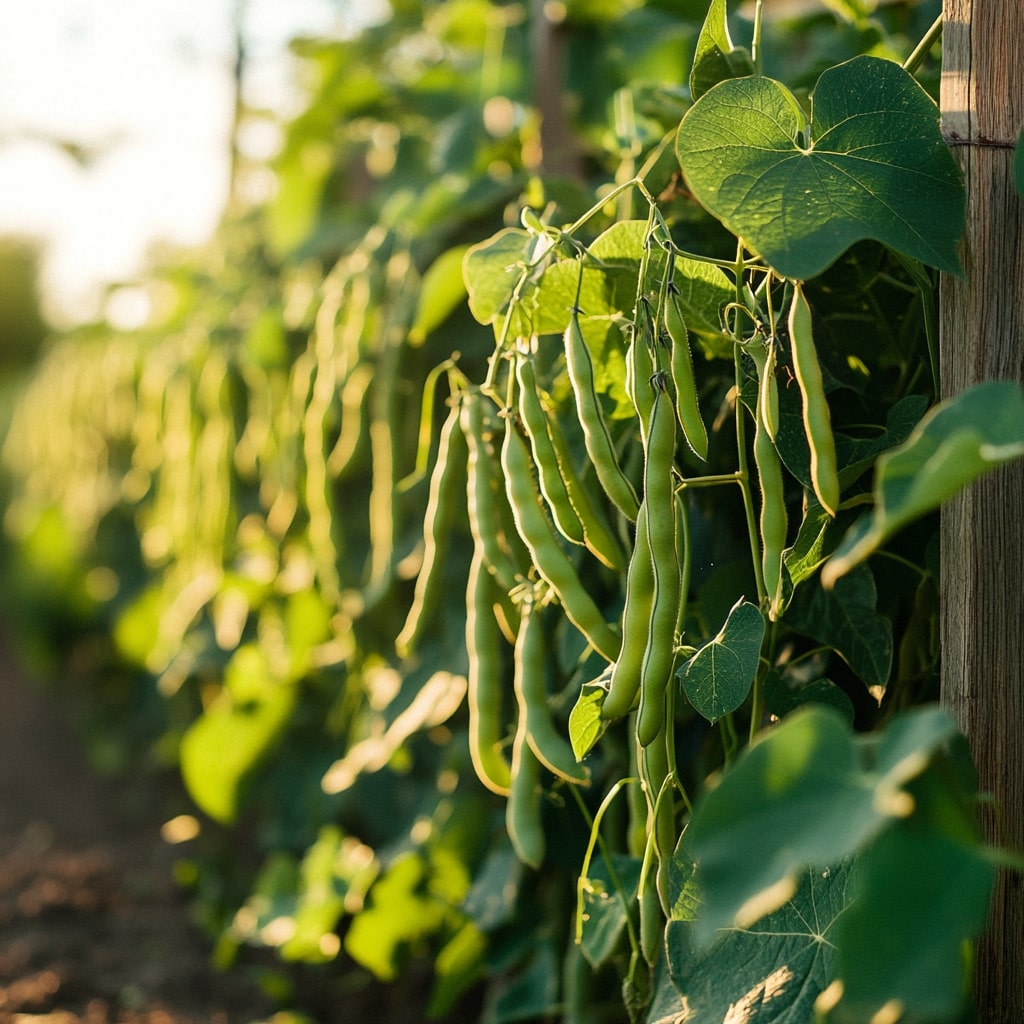
Green beans
Learn how to grow green beans successfully with proper soil preparation and seeding techniques for a bountiful harvest.
Growing green beans in the Netherlands requires well-prepared, loose soil, sufficient sun and regular watering. By sowing the seeds only after the last frost and protecting young plants from slugs, you will get strong, productive plants. Harvest the beans young for the best flavour and tenderness. With a little attention and care, you can enjoy fresh, crispy green beans from your own garden all summer long.
Preparation and cultivation
Soil preparation for strong plants
Start with well-drained, humus-rich soil that has warmed in the spring. Work compost or well-decomposed manure into the top layer to improve structure and replenish nutrients. Green beans like a neutral to slightly acidic pH, so avoid soil that is too calcareous. Make the soil fine and airy so that the roots can develop easily. A sunny spot, sheltered from strong winds, ensures sturdy plants and an early start to growth.
Sow and germinate in the spring
Only sow green beans when the soil temperature is above 10 degrees, usually from mid-May. Sow directly in the open ground in rows with approximately 40 centimeters between them and 3 to 5 centimeters between the seeds. Press the soil lightly and water carefully. If necessary, cover young seedlings with fleece cloth to protect them from the cold and birds. You can also pre-sow indoors, but only plant the young beans after the last night frost.
Care during cultivation
Keep the soil moist but not wet, because green beans do not tolerate waterlogging. Water regularly during drought, especially during flowering and pod formation. Weeding is important to avoid competition from weeds, but work carefully so as not to damage the roots. A mulch layer of straw or compost helps retain moisture and limits weeds. Check regularly for snails and aphids so that the young plants remain healthy and grow well.
Planting and care
Plant out in open ground
When the young green bean plants are about ten centimeters high and the risk of night frost has passed, they can go outside. Choose a sunny, sheltered spot with well-drained soil. Plant the beans in rows with about forty centimeters apart and water generously immediately after planting. By lightly pressing the soil around the roots you prevent drying out and ensure a solid start. Immediately place sticks or mesh on pole beans so that they have something to hold on to during growth.
Watering and fertilizing
Green beans like even moisture, especially during flowering and pod formation. It is better to water generously once a week rather than a little often, so that the roots grow deeply. Avoid wet leaves to prevent mold. A light fertilization with compost or an organic fertilizer mid-season supports growth without the plants forming too many leaves. Keep the soil loose and weed-free, so that air and water can easily reach the roots.
Support and maintenance
Pole beans need sturdy stakes or a climbing frame to grow upright, while bush beans stay low and require less support. Check regularly for snails and aphids and remove affected leaves immediately. By picking spent flowers and old pods, you stimulate new growth and extend the harvest period. Keep the soil moist but not soggy and provide extra water during drought. This way the plants stay healthy and deliver crispy beans well into the summer.
Harvest and store
When to harvest green beans
Green beans are ready to pick when the pods feel firm but still bend smoothly without breaking. In the Dutch climate this is usually six to eight weeks after sowing. Harvest regularly, every two to three days, so that the plant continues to produce new flowers. Pick the beans with two hands so as not to damage the stems. Waiting too long makes the pods stringy and less tender, so check the plants often during warm periods.
Storing green beans after harvest
After picking, it is best to process green beans immediately or store them for a short time. Store them unwashed in an open plastic bag or container in the vegetable drawer of the refrigerator, where they will keep for up to five days. For longer storage, you can blanch the beans: boil for two to three minutes, cool quickly in ice water and then freeze. This way they retain their colour, taste and nutritional value. Avoid damp storage, as this accelerates deterioration.
Drying or preserving beans for the winter
If you want to enjoy the harvest longer, you can dry or preserve green beans. To dry, cut the beans into pieces and let them dry out in a warm, well-ventilated place until crispy. You can preserve the beans by briefly blanching them and storing them in clean jars with vinegar, herbs and salt. Both methods ensure that you can enjoy your own cultivation even in the winter months, while retaining taste and structure.
Climbing frame for green beans
A sturdy metal or bamboo climbing frame helps green beans grow straight up and prevents the pods from lying on the ground. It provides good air circulation, reduces mold formation and makes harvesting easier. Ideal for pole beans and vine varieties, suitable for open ground or raised containers.
View productOrganic kitchen garden fertilizer for beans
A natural fertilizer with extra potassium and nitrogen supports the growth of strong bean plants and promotes rich flowering and pod formation. Sprinkle the fertilizer at planting and repeat mid-season for a long-lasting harvest. Suitable for organic cultivation and safe for bees and soil life.
View productLegume seed mix green beans
Choose a quality mix of green bean varieties that perform well in the Dutch climate, with both early and late varieties. This way you spread the harvest period and enjoy fresh beans all summer long. The mix also promotes soil fertility through nitrogen fixation.
View productRecipe inspiration

Sichuan-style pork & green bean stir-fry
A cost-conscious Chinese-style meal for two with rich soy and pepper sauce, ginger, spring onions and sesame oil
View recipe
Pork, green bean & oyster stir-fry
A rich, flavourful dish of noodles or rice that's ready in 20 minutes - a wholesome midweek family supper
View recipe
Stir-fried garlic green beans
These easy, healthy garlic green beans make a great accompaniment to a Chinese feast, and they're made with just 4 ingredients in 15 minutes
View recipe