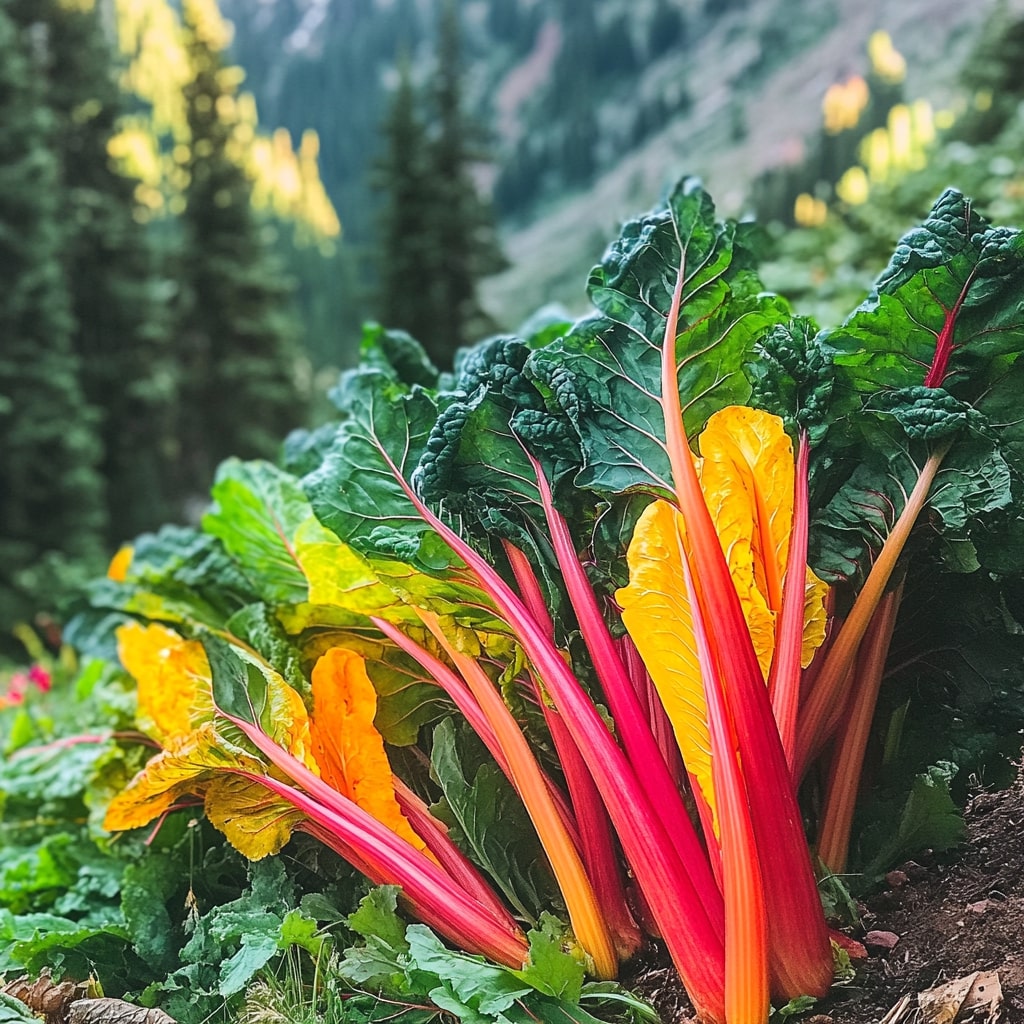
Chard
Learn how to grow chard successfully with proper care and soil preparation for a consistent harvest of nutritious leaves.
Chard is a versatile leafy vegetable that suits the Dutch climate perfectly and makes few demands on the gardener. With well-drained, nutrient-dense soil and regular watering, chard grows quickly and produces tender leaves for months. By harvesting regularly, the plant continues to produce new leaves, so that you can enjoy a colorful and healthy harvest from your own garden from early spring until late autumn.
Preparation and cultivation
Soil preparation for strong plants
Start with a well-loosened, humus-rich soil in which water does not stagnate but retains sufficient moisture. Work compost or well-decomposed manure into the top layer in early spring to improve structure and replenish nutrients. Chard likes a neutral to slightly alkaline pH, so add some lime if the soil is acidic. A flat and weed-free seedbed ensures that young plants establish quickly and grow evenly.
Sowing and growing chard
Sow chard directly in the open ground from April or earlier in pots indoors for a head start. Use shallow trenches about two centimeters deep and keep a distance of thirty centimeters between the rows. Thin the seedlings once they are several inches tall so that the strongest plants remain. Water regularly to prevent dehydration and cover with fleece if necessary on cold nights. This develops a sturdy crop that quickly forms new leaves.
Caring for young plants
When the young chard plants are well established, even care is important for healthy growth. Keep the soil moist but not soggy and remove weeds that compete for nutrients. A light fertilization with compost tea or organic fertilizer granules mid-season stimulates leaf growth. Check regularly for snails and aphids and remove affected leaves immediately. By consistently weeding and feeding, the plants remain vital and deliver a long-lasting harvest.
Planting and care
Plant out in the open ground
When the young chard plants have four to six true leaves, they can go outside. Choose a cloudy day or plant in the evening to avoid burning. Keep about a foot between plants so they have plenty of room to grow. Press the soil lightly around the roots and water immediately. A mulch layer of compost or straw helps to retain moisture and suppress weeds, which is especially important during warm periods.
Watering and fertilizing
Chard likes an evenly moist soil, so water regularly, especially during drought. However, avoid allowing the soil to become soggy as this can cause root rot. A light fertilization with compost or an organic fertilizer halfway through the growing season stimulates leaf growth. Check the leaves weekly for snail damage and remove damaged parts. With consistent care, the plant remains strong and produces tender leaves until late in the season.
Care after planting out
After planting, it is important to keep the soil loose and to remove weeds in a timely manner so that the roots get enough air. Regularly cut off the outer leaves to encourage the growth of new leaves. Protect young plants with fleece cloth on cold nights and remove it as soon as the temperature rises. Consistent weeding, watering and harvesting will keep chard productive and healthy throughout the growing season.
Harvest and store
When to harvest Swiss chard
Swiss chard is ready to harvest as soon as the leaves are firm and fresh green, usually six to eight weeks after sowing. Cut the outer leaves with a sharp knife just above the ground, so that the heart of the plant remains intact and can form new leaves. Harvest regularly to stimulate growth and prevent the leaves from becoming tough. In the Dutch summer you can often continue picking until October, as long as the plant receives sufficient water and nutrition.
Storing chard after harvest
Fresh chard will last longest if you rinse the leaves immediately after harvesting, pat them dry and store them in a damp cloth or perforated bag in the refrigerator. This way they stay crispy for three to five days. For longer storage, you can briefly blanch the leaves and freeze them to retain colour and nutrients. Avoid prolonged exposure to sunlight or heat, as this will accelerate wilting and reduce flavour.
Use and shelf life of Swiss chard
Swiss chard tastes best when processed fresh, but it retains much of its flavour and nutritional value even after freezing. Use the leaves in stir-fries, casseroles or as a substitute for spinach. You can boil or stew the stems separately for extra structure. When storing Swiss chard, look for discoloration or limp spots and remove them before use. By harvesting and storing smartly, you can enjoy your own healthy leafy vegetables for weeks.
Organic chard seeds
Choose organic chard seeds to grow strong, tasty plants that can withstand the Dutch weather. These seeds germinate quickly in moist, loose soil and produce a bountiful harvest of tender leaves that you can cut several times during the growing season. Sow from April to August for a continuous supply of fresh leaves.
View productOrganic vegetable fertilizer
An organic vegetable fertilizer ensures healthy growth of chard by enriching the soil with natural nutrients. Use this fertilizer during the growing season to stimulate leaf development and increase yields without depleting the soil. Repeat fertilization every four weeks for optimal results.
View productFine-mesh insect screen
Protect young chard plants against aphids and caterpillars with fine-mesh insect netting. The mesh allows light and water to pass through but keeps out harmful insects, allowing you to harvest healthy leaves in an environmentally friendly way without chemical pesticides. Attach it securely so that there are no gaps.
View product