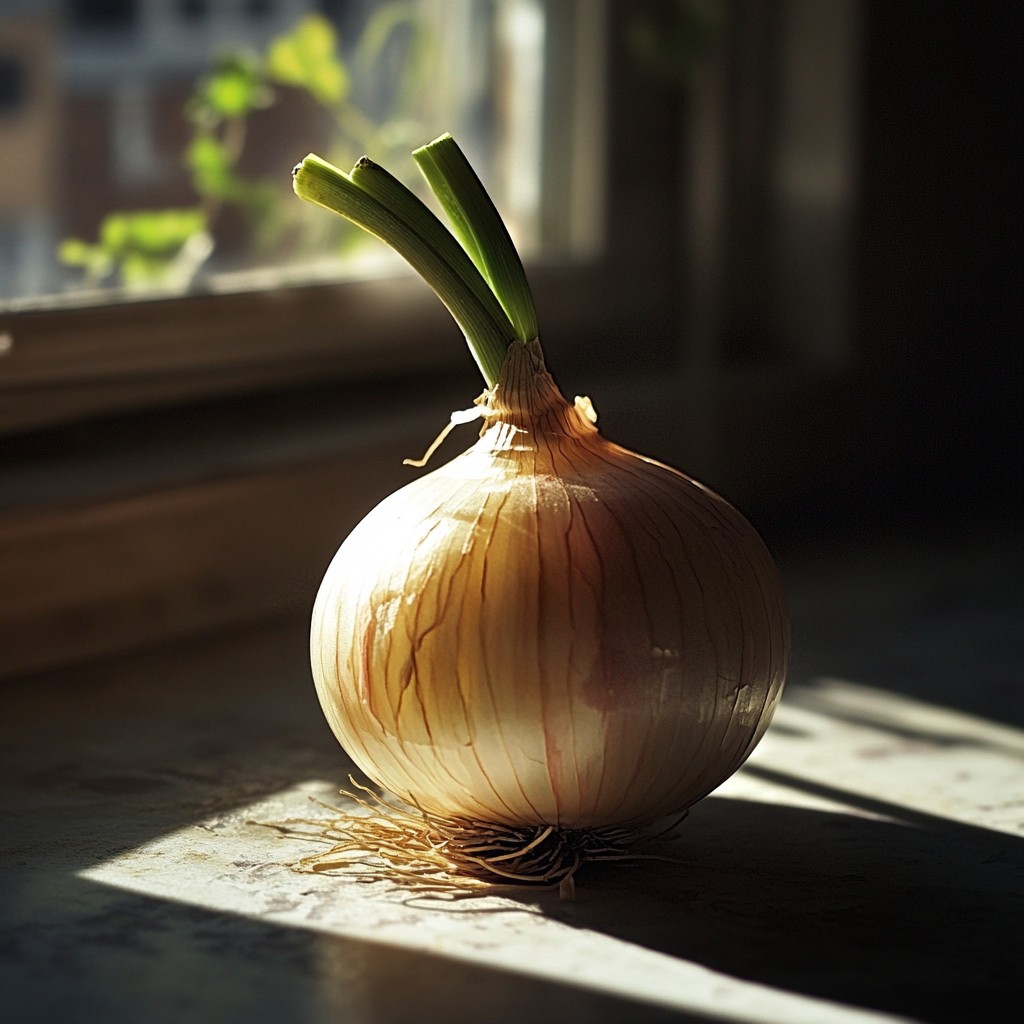
Shallot
Milder than onion, big in taste
Shallots are related to the onion, but they are often milder, more aromatic and popular in sauces and dressings. They usually grow in clumps: one shallot produces several bulbs. With a sunny spot, airy soil and a little patience, you can harvest a supply of shallots that you can store for a long time.
Soil preparation and planting
Prepare soil
Shallots, like onions, like airy, well-drained soil that does not stay wet for long. Loosen the soil 20 to 25 cm deep and mix some mature compost into the top layer. Avoid fresh manure, because this mainly stimulates leaf growth and increases the chance of soft bulbs that have a shorter shelf life. Preferably choose a sunny spot, because sunlight supports firm bulb formation and helps the crop dry faster after rain. On heavy clay, additional structural improvement is important to prevent flooding and rot.
Plants in rows
Shallots are usually planted as seed potatoes, because they get going faster than from seed. Plant the shallots with the tip just above the ground and press them lightly. Keep 20 to 30 cm between the rows and about 10 to 15 cm between the shallots. Because shallots later split into multiple bulbs, a little more space helps them form nice, firm clumps. Preferably plant in dry soil and avoid leaving the seed potatoes in cold, wet soil for a long time.
Keep weed-free
In the starting phase, shallot grows slowly and weeds can quickly dominate. Therefore, keep the bed clean by regularly hoeing or carefully weeding. Preferably work on a dry day so that loose weeds dry out. Mulching is possible, but use a thin layer and only apply it when the plants are well established. Mulch that is too thick or conditions that are too wet increase the risk of rot around the bulbs.
Maintenance
Water regularly
Water shallots during drought, especially when the bulbs begin to form. The soil may be slightly moist, but must be allowed to dry out in between. Soil that is too wet increases the risk of rot and mold, while prolonged drought causes small bulbs. It is better to water less often, but deeply, so that the roots become stronger. Reduce watering as soon as the foliage starts to yellow and autumn: then the bulbs ripen and want to be drier.
Pests and problems
The same pests that affect onions can also affect shallots, such as onion fly and thrips. Prevention helps the most: crop rotation, clean working and cleaning up old plant remains. You often see thrips as dull or silvery stripes on the leaves, especially in warm and dry weather. Keep the plants vital with sufficient water during dry periods and regularly check the foliage. When infested, it helps to remove badly affected leaves and improve growing conditions.
Foliage and lightness
Remove damaged or obviously diseased foliage to limit problems, but leave healthy foliage. The foliage nourishes the bulb formation and largely determines the final yield. Make sure that the plants have enough space and that the bed is not overgrown with weeds. An airy location ensures that the crop dries faster after rain and reduces the risk of mold.
Harvesting, storage and final tip
Harvest at maturity
Shallots are ready to harvest when the foliage has mostly fallen and yellowed. Because shallots often grow in clumps, when ripe you will see clear bulbs around the base. Preferably harvest on a dry day, so that you harvest the bulbs cleaner and drier. Harvesting too early gives a thinner skin and a shorter storage time.
Excavate carefully
Carefully loosen the clods with a shovel or fork and gently lift them up. Avoid damage, because wounds make the bulbs more susceptible to rot during storage. Then let the shallots dry thoroughly and harden in an airy place out of the rain. When the neck and rind are paper dry, they are ready to store.
Keep cool
Store shallots cool, dry and with ventilation, for example in a net, basket or box with air holes. Only cut the foliage when everything is completely dry, or save them with the foliage to braid later. Check occasionally and remove soft or damaged bulbs. Well-dried shallots often have a long shelf life and retain their flavour excellently.