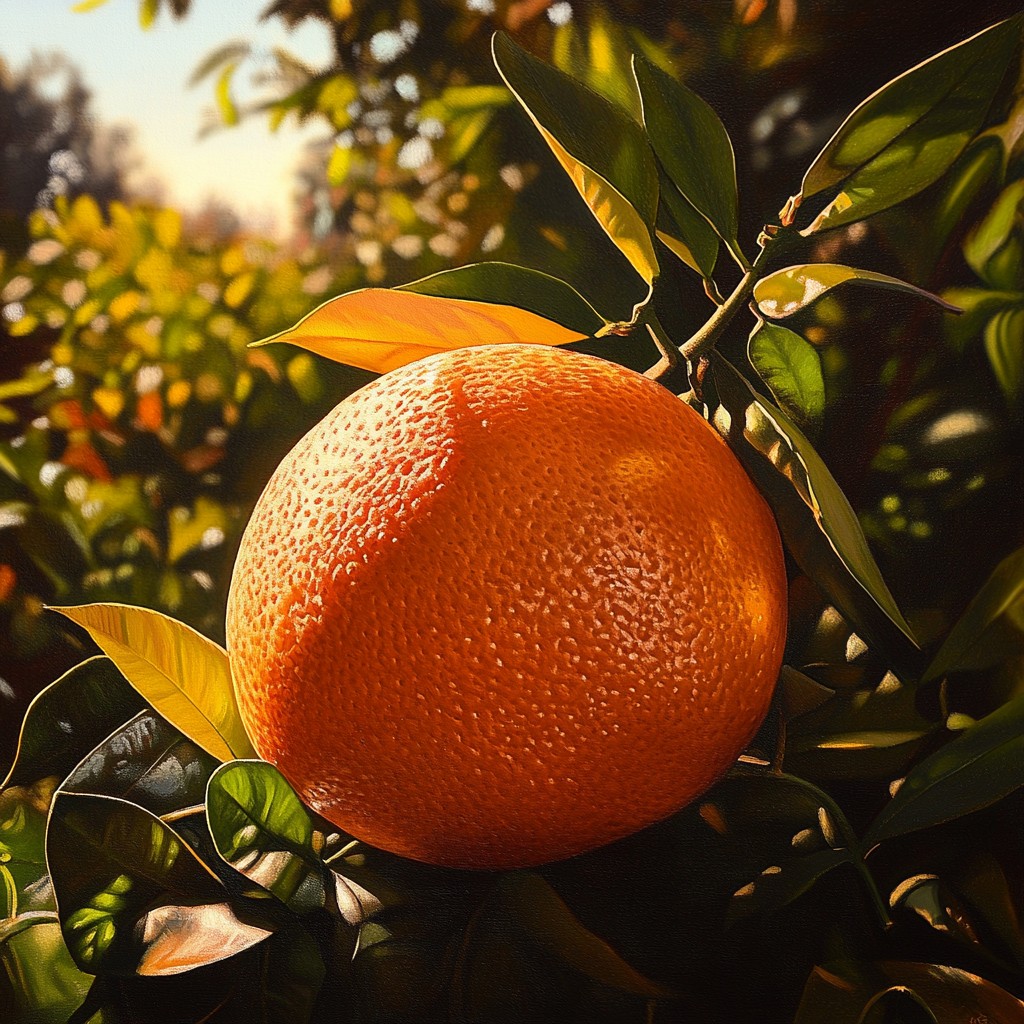
Orange
Learn how to grow oranges successfully in the greenhouse with proper seeding and care techniques, even in cooler climates.
With the right care, you can grow delicious oranges in a greenhouse, even in the Dutch climate. Discover how to get the young trees to root properly, what temperature and humidity are ideal, how to stimulate flowering and fruit set and when it is best to prune. This way you can enjoy your own sunny citrus fruits, straight from the greenhouse, full of taste and aroma.
Preparation and cultivation
Sowing and germinating
Start with fresh orange seeds from ripe fruits and rinse them well to prevent mold. Let the seeds dry for a few days and then plant them in moist seed and cutting soil at room temperature. Cover the container with foil to create a moist microclimate and place it in a bright spot, but not in direct sunlight. Germination usually takes two to four weeks. As soon as the first leaves appear, remove the foil and water regularly in small amounts to prevent dehydration.
Repotting and young growth
When the seedlings are about ten centimeters high, you can carefully repot them into a larger pot with airy, well-drained potting soil. Preferably use a mixture of potting soil, sand and some compost for a balanced diet. Place the young plants in a light, warm room of at least 18 degrees. Turn the pots occasionally to keep growth even. Water moderately and avoid wet feet. After a few months, the trees will develop a sturdier trunk and you can start with light pruning to encourage a compact shape.
Preparing for the greenhouse
Before the young orange trees are moved to the greenhouse, they must get used to the stronger light intensity and humidity. In the spring, put them outside during the day or in an unheated greenhouse to harden off, but bring them inside at night when temperatures are low. Check the soil for good drainage and add some clay granules if necessary. A temperature of 15 to 25 degrees is ideal in the greenhouse. Provide sufficient ventilation to prevent mold and water regularly without leaving the roots wet.
Planting and care
Plant out in the greenhouse
As soon as the young orange plants are firmly rooted and the night temperature in the greenhouse remains above 10 degrees, they can be planted out in large pots or directly into the greenhouse soil. Provide airy, well-drained soil with some compost and place the plants in a sunny spot. Water generously after planting and keep humidity high for the first few weeks to stimulate root growth. Avoid drafts and sudden temperature changes.
Water and food
Oranges like regular, moderate watering. Allow the top layer of soil to dry slightly between waterings to prevent root rot. During the growing season, from March to September, you can apply a citrus fertilizer every two weeks for healthy leaves and good fruit set. Reduce watering in winter, but never let the soil dry out completely. Check regularly for yellowing leaves, which may indicate a nutrient deficiency or soil that is too wet.
Pruning and maintenance
Prune orange trees in early spring to maintain shape and keep them airy. Remove dead or crossing branches and cut back long shoots to just above a leaf axil. This promotes compact growth and stimulates new flowering. Keep the greenhouse well ventilated to prevent mold formation and regularly check for aphids or spider mites. In the summer you can lightly prune spent branches to direct the energy to the fruits.
Harvest and store
When to harvest
Oranges are ripe when the peel turns deep orange and the fruit yields slightly when pressed lightly. In the greenhouse this usually happens between November and February, depending on the variety and temperature. Pick the fruits with pruning shears so as not to damage the branch and leave a small stem. Taste one fruit to check if the flavour is full and sweet, as colour alone is no guarantee of ripeness. Harvest in dry weather to prevent mold formation and process the fruits as quickly as possible.
Storing fresh oranges
After harvesting, you can store oranges for several weeks in a cool, well-ventilated place at about 8 to 12 degrees. Avoid humid conditions to prevent mold and arrange the fruits in a single layer so that they do not press against each other. They will last longer in the refrigerator, but the taste may diminish slightly. Check regularly for soft spots and use the ripest fruits first.
Processing and preserving
If you have an abundance of oranges, you can process them into juice, marmalade or slices for drying. Squeeze the juice immediately after picking for the best taste and vitamin retention. You also use the peel for marmalade, so choose unsprayed fruits. Dried slices are decorative and have a long shelf life if you let them dry thoroughly in an oven at a low temperature. This way you can enjoy your own harvest all year round and reduce waste.
Citrus potting soil with extra drainage
This specially formulated potting soil has an airy structure with clay minerals, coconut fiber and extra drainage granules, so that excess water drains away well but the roots still retain sufficient moisture and nutrition. Ideal for orange trees in pots or greenhouses in the Dutch climate, where varying temperatures and humidity require extra attention for healthy growth.
View productCitrus fertilizer with magnesium and trace elements
This liquid fertilizer supports leaf growth, flowering and fruit setting of orange trees, with extra magnesium to prevent leaf yellowing and trace elements that ensure strong roots and a rich taste of the fruits. Suitable for use from early spring to late summer, both indoors and outdoors.
View productHeating cable for greenhouse or pot
A flexible heating cable that keeps the root zone of orange trees at the right temperature during cold nights and frost periods. The cable prevents root stress, promotes even growth and can easily be placed in pots or along the greenhouse floor for a stable microclimate that helps the plant through the winter.
View productRecipe inspiration

Ultimate Seville orange marmalade
The original, and classic, English marmalade, as made famous by Paddington Bear
View recipe
Seville orange marmalade
Seville oranges are the key ingredient for this delicious, tangy marmalade
View recipe
Sour cream crêpes with Seville orange marmalade & amaretto sauce
Enjoy moreish sour cream pancakes with our Seville orange, vanilla & cardamom marmalade for a lovely, bittersweet flavour. An indulgent breakfast or dessert
View recipe