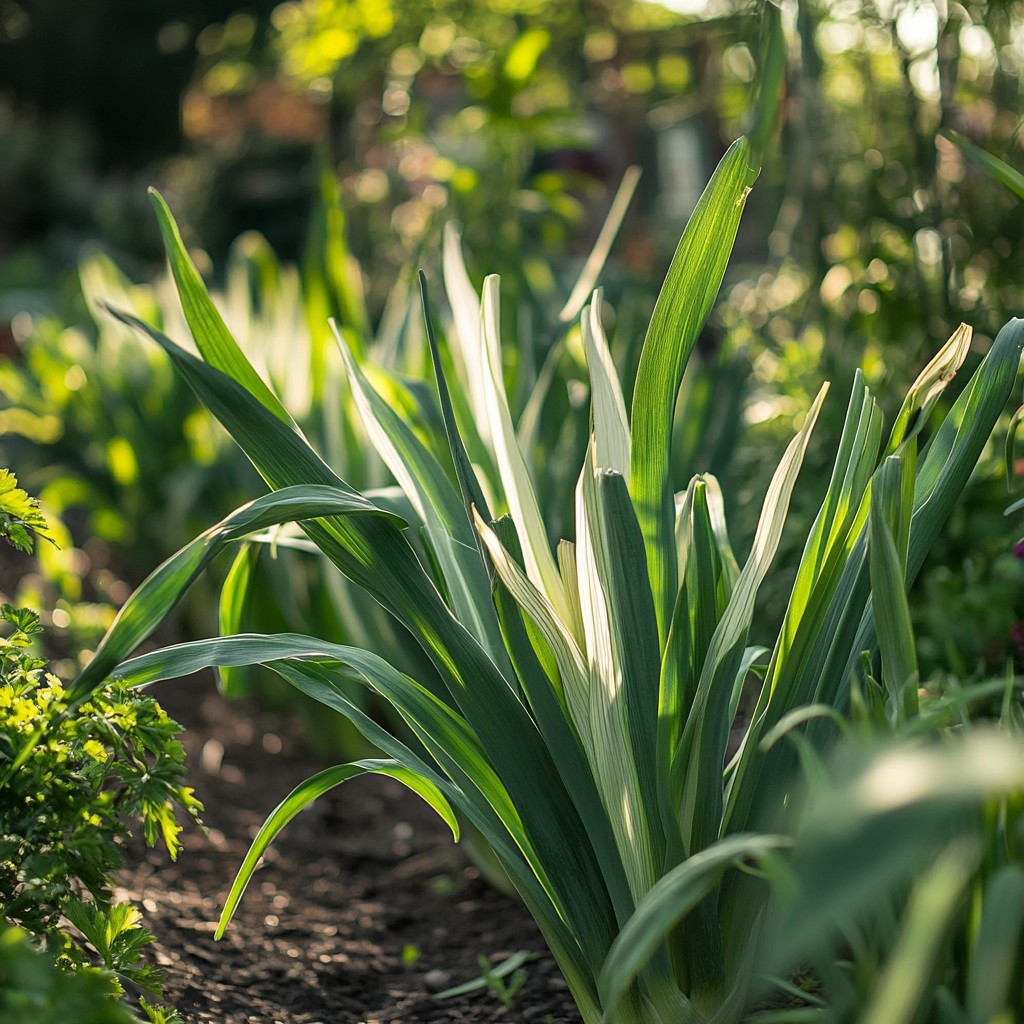
Leek
Learn how you can grow sturdy and tasty leeks in your kitchen garden with the right sowing and care techniques.
Leek is a reliable vegetable for the Dutch kitchen garden and provides months of harvest pleasure. By paying attention to sowing, prickling and ridding, you can grow sturdy, long shafts that are resistant to cold. In this article you will learn step by step how to successfully grow, care for and harvest leeks, so that you can enjoy fresh, tasty stems from your own garden in every season.
Preparation and cultivation
Sow in trays or seedbed
Sow leek indoors in trays or in a sheltered seedbed from February to April. Use airy, moist sowing soil and keep the temperature around 15 degrees for even germination. Once the plants are about 15 centimeters high, you can harden them off by placing them outside during the day. This prevents growth stress when planting out and ensures strong, resilient young leek plants that grow well in the open ground.
Prick out and harden off
When the young leek plants are pencil thick, it is time to prick them out. Cut back the roots and foliage slightly to stimulate growth and plant them in loose, nutritious soil. Let them get used to outdoor conditions for a few days by gradually putting them outside for longer periods of time. This way you build sturdy plants that are more resistant to wind and temperature fluctuations.
Soil preparation and planting spacing
Leeks grow best in well-drained, humus-rich soil with sufficient moisture. Dig the soil deeply and mix in compost for an airy structure. Plant the leek in trenches about 15 centimeters deep with 10 to 15 centimeters between them. Gradually grounding the plants as they grow will produce long, white stems and a healthy, hearty harvest.
Planting and care
Plant out in the open ground
Plant out the young leek plants as soon as they are pencil thick and the soil has warmed up, usually from late April to June. Make deep planting holes of about 15 cm so that the stems become nice and long and white. Place the plants 15 cm apart in the row and keep 30 cm between the rows. Water immediately after planting to ensure that the roots make good contact with the soil and protect the young plants with fleece cloth in bright sun or strong winds.
Roughing up for strong shafts
When the leek is well established, start with earthing up: regularly pull some soil against the plants so that the lower parts remain white and tender. Do this carefully so as not to cover the leaves. Repeat the hilling every few weeks, especially after rain or weeding. This technique ensures sturdy, long shafts and prevents the leek from turning green. At the same time, check for weeds and keep the soil airy by lightly hoeing.
Care during growth
Leeks require an evenly moist soil and sufficient nutrition. Water regularly during dry periods, especially in sandy soil, and fertilize lightly with compost or an organic fertilizer to stimulate growth. Remove weeds in a timely manner so that the plants are not displaced. Check for leek fly and rust and use insect netting as protection if necessary. By consistently caring for and tilling, the leek develops into healthy, tasty stems that have a long shelf life.
Harvest and store
Determine the right harvest time
Leeks can be harvested as soon as the shafts are firm and well developed, usually from late summer into winter. For summer leeks, harvest at medium thickness, while winter leeks can be left for longer. Carefully pull the plants out of the ground with a digging fork to avoid breakage. Leave the roots and outer leaves in place until just before use, so the leek stays fresh longer and retains its taste and structure.
Clean and prepare leek
After harvesting, remove excess soil by briefly rinsing or tapping the leek. Only cut off roots and dark green leaves when you are ready to use the leek, because intact leaves protect the white shaft from drying out. For direct consumption, you can cut the leek into rings and rinse well to remove sand. Do not store washed leeks for too long, because moisture accelerates deterioration.
Storing and overwintering leeks
Leeks are resistant to cold and can overwinter in the open ground, especially winter varieties. During severe frost, cover the plants with a layer of straw or fleece cloth to prevent freezing. If you want to store leeks indoors, place the stems in a box with slightly moist soil in a cool shed. This way the leek stays fresh for several weeks and retains its firm structure and mild taste.
Leek seeds for early and late cultivation
Choose a combination of early and late leek varieties so that you can harvest from summer into winter; sow indoors in trays or directly into a seedbed, taking into account the recommended planting distance, water regularly and fertilize lightly for sturdy, straight shafts that can withstand Dutch weather and humid conditions.
View productPlant trays with fine cells
Use sturdy planting trays with sufficient depth to allow leek seedlings to develop without root damage; they make transplanting easier, promote even growth and ensure strong plants that grow well in the open ground, even under fluctuating temperatures and humid conditions in spring.
View productRidging shovel or ridger for leeks
With a narrow ridging shovel you can regularly work soil against the leek during growth, which ensures long white shafts, protection against cold and wind and better drainage; ideal for the Dutch climate with wet autumn periods and changing soil structures.
View productRecipe inspiration


Leek & potato soup
Of the winter soups, leek and potato is one of the most comforting and familiar. This easy Vichyssoise recipe by Darina Allen makes the most of seasonal, local veg
View recipe
Soup maker leek and potato soup
Serve up this creamy leek and potato soup on cold days when you want something warming and comforting. Made with a soup maker, it's good for lunch or supper
View recipe