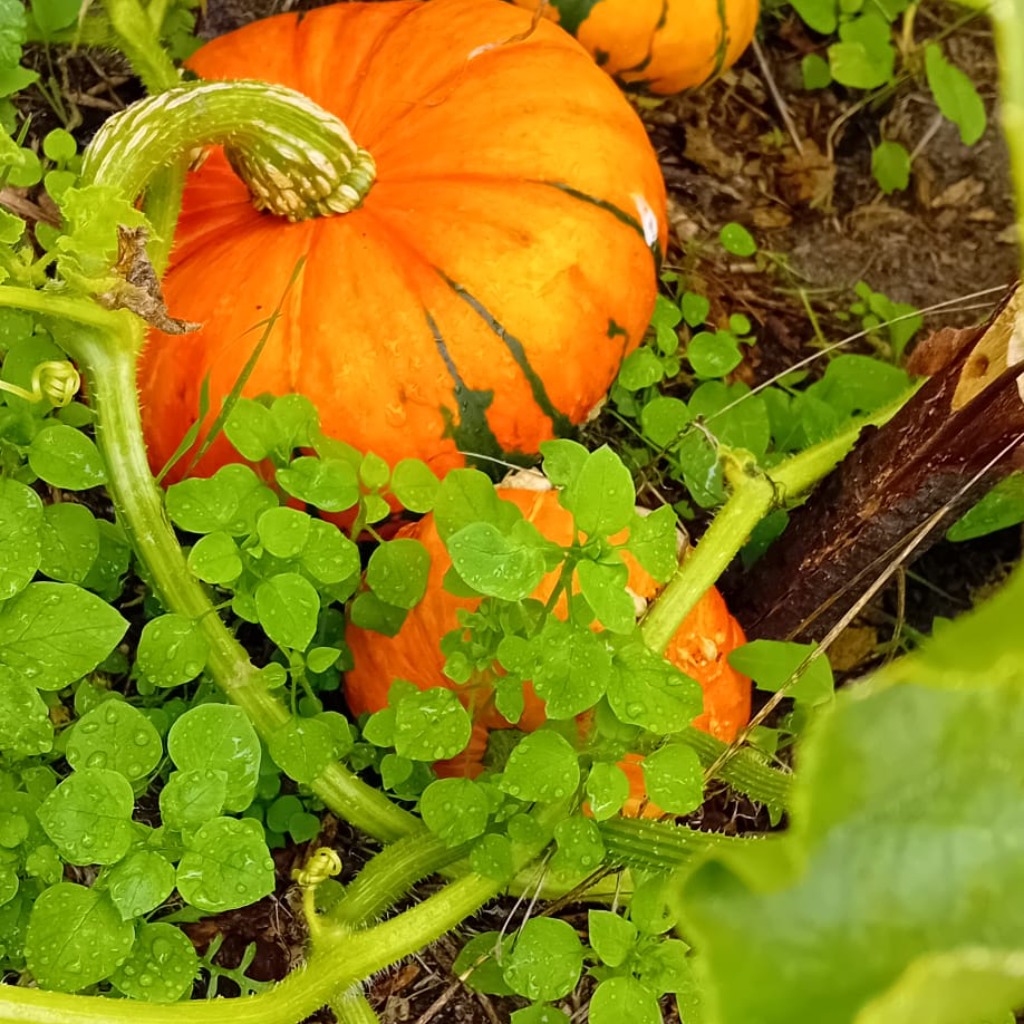
Pumpkin
Learn how to grow large and tasty pumpkins with proper soil preparation and care.
Growing pumpkins in the Netherlands requires well-prepared, nutritious soil, sufficient sunlight and regular care. With the right timing of sowing and harvesting, you can grow firm, flavorful fruits that are not only delicious in soups and stews, but also look beautiful as autumn decorations. Discover how to achieve a rich, healthy pumpkin harvest with simple steps and attention to the weather.
Preparation and cultivation
Prepare soil for strong growth
Start in April by loosening the soil in a sunny spot and working in well-rotted compost or farmyard manure. Pumpkins like airy, nutritious soil that retains moisture but is not too wet. Make large planting holes and, if necessary, cover the soil with straw or compost to prevent it from drying out. A good start in the soil ensures strong roots and healthy growth throughout the season.
Sow and grow indoors
Sow pumpkin seeds indoors in pots with sowing soil at the end of April to the beginning of May. Place them in a warm and light place, for example on a windowsill or in a greenhouse. As soon as the seedlings have two real leaves, you can harden them off by putting them outside during the day. This way they get used to the outside temperature and wind, which makes the transition to open ground in May easier.
Planting out and early care
Only plant the young pumpkin plants when the risk of night frost has passed, usually mid-May. Give them enough space, at least one meter between each plant, so that the vines can develop properly. Press the soil firmly and water immediately. Regular watering is important during the first few weeks, especially in dry weather. A mulch layer helps to retain moisture and suppress weeds.
Planting and care
When to plant pumpkins
Only plant young pumpkin plants outside when the risk of night frost has passed, usually after mid-May. Choose a sunny, sheltered spot with well-drained, nutritious soil. Leave at least one meter of space between the plants so that the tendrils can develop freely. Water the plants immediately after planting out to help the roots establish and, if necessary, cover the soil with straw or compost to retain moisture and limit weed growth.
Care during growth
Pumpkins need a lot of nutrition and water to form large fruits. Water regularly at the roots, especially during dry periods, and avoid wet leaves to prevent mold. Fertilize weekly with an organic liquid fertilizer or compost tea. Train the vines so they don't grow over each other and remove damaged leaves. Check for snails and aphids and intervene in a timely manner with environmentally friendly means.
Support and pruning for better harvest
To focus the plant's energy on healthy fruits, you can top the main vine once three to four pumpkins have formed. Place a board or tile under each fruit to avoid contact with moist soil and prevent rotting. Remove excess side shoots and keep the foliage airy for better ventilation. Continue watering regularly until the fruits begin to colour, then gradually reduce watering for firm skin.
Harvest and store
The right time to harvest
Pumpkins are ready to harvest when the skin is hard and deep in colour and the stem begins to dry. In the Netherlands this usually happens in September or October, before the first night frost. Cut the fruit from the plant with a sharp knife, leaving a piece of stem and place the pumpkins in a dry, sunny spot for a few days to allow the skin to harden further. This way you extend the shelf life and prevent mold during storage.
Drying and curing pumpkins
After harvesting, it is important to let the pumpkins dry thoroughly. Place them in an airy, warm place, for example in a greenhouse or under a roof, so that the peel can harden completely. This process takes about a week and makes the pumpkin more resistant to spoilage. Turn the fruits occasionally and remove any damaged ones. A properly cured pumpkin feels firm and has a matte, hard skin.
Store for the winter
Store pumpkins in a cool, dry and well-ventilated place, such as a shed or cellar with a temperature between 10 and 15 degrees. Do not place them on top of each other, but on straw or cardboard so that air can circulate. Check regularly for soft spots and use damaged ones first. Under the right conditions, pumpkins will last for up to several months, so you can enjoy your own harvest in soups, casseroles and stews all winter long.
Organic pumpkin seed mix
A carefully selected mix of strong, fast-growing pumpkin varieties that perform excellently in the Dutch climate. Ideal for sowing indoors in April and planting outdoors later. The variety ensures a rich harvest of both edible and decorative pumpkins, with different shapes and colours that brighten up any kitchen garden.
View productOrganic compost for fruit crops
Rich, well-decomposed compost that improves soil structure and provides long-lasting nourishment to pumpkin plants. Perfect for use when planting or as a mulch during growth, so that moisture is better retained and the roots remain healthy. Promotes active soil life and higher yields in the Dutch climate.
View productPumpkin climbing and growing net
Sturdy and durable net that supports pumpkin vines and prevents fruits from lying on wet ground. It promotes air circulation and reduces the risk of mold formation, which is especially useful in humid Dutch summers. Suitable for both vegetable gardens and greenhouses and easy to attach to posts or racks.
View productRecipe inspiration

Spicy pumpkin soup
Make the most of seasonal squash in the early autumn and try a spicy pumpkin soup. You can toast the seeds, too, and add as a topping
View recipe
Pumpkin soup
Whip up this easy pumpkin soup recipe as a starter for a dinner party or a light supper when you need a bit of comfort – it has a lovely silky texture
View recipe