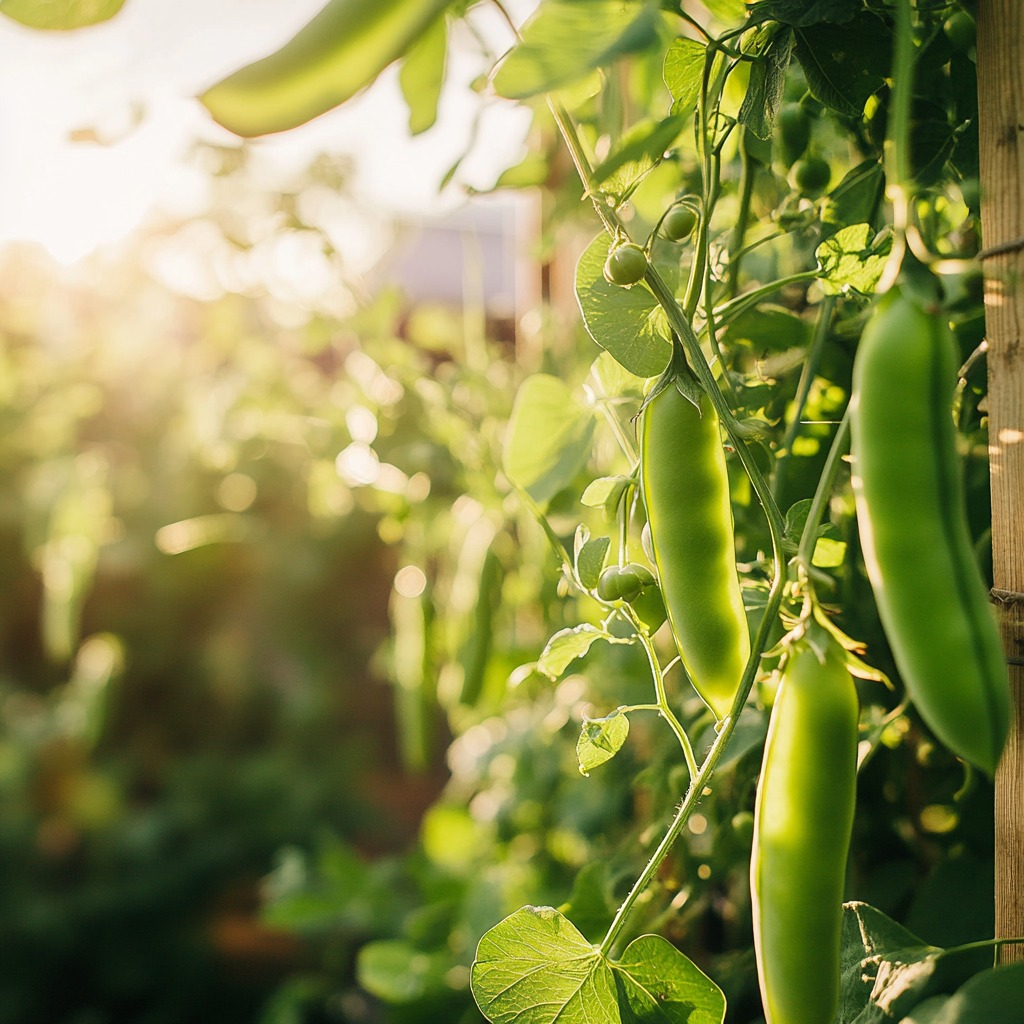
Pods
Grow your own healthy and tasty pods and discover how this crunchy, sweet vegetable can give your meals a fresh, natural twist.
Learn how to grow crispy, sweet pods in the Dutch climate that give your dishes a fresh, natural twist; from sowing in early spring to harvesting the tender pods in summer, with practical tips for soil, support, watering and care so that your plants grow strongly and you get a rich, healthy harvest full of flavour and colour.
Preparation and cultivation
Soil and location
Pods grow best in airy, well-drained soil that is not too rich in nitrogen. Choose a sunny spot, but sheltered from strong winds. Work some compost or old farmyard manure into the top layer in winter or early spring to improve the structure. Avoid wet places, because the seeds rot quickly there. Crop rotation is important: do not plant legumes where other legumes were planted last year to prevent soil diseases and keep the nitrogen balance healthy.
Sowing and propagation
Sow pods directly in the open ground from late February to April, as soon as the soil is no longer too wet or cold. If necessary, grow them indoors for pots if the soil is still too cold, and plant out the young seedlings as soon as they are firm enough. Place the seeds about three centimeters deep and keep a distance of ten centimeters between the plants. After sowing, water carefully and cover with fleece cloth to keep out birds and the cold.
Support and care
Pods need support to grow upright and bloom well. When sowing, place mesh or stakes so that the vines can attach themselves. Keep the soil moist but not soggy, especially during flowering and pod formation. Remove weeds regularly to prevent competition and mulch with straw or compost to retain moisture. Check for aphids and remove affected buds in a timely manner. This way the plants remain healthy and deliver a rich harvest.
Planting and care
Plant out in the open ground
As soon as the young pod plants are about ten centimeters high and the risk of night frost has passed, they can go outside. Choose a sheltered spot with airy, nutritious soil and plant them in rows about five centimeters apart. Press the soil lightly and water immediately so that the roots make good contact with the soil. A mulch layer of straw or compost helps retain moisture and suppress weeds, which promotes growth in the Dutch spring.
Care during growth
Pods need regular care to stay healthy. Water during drought, especially during flowering and pod formation, but avoid wet feet. Remove weeds carefully so as not to damage the roots and check for slugs or aphids. A light fertilization with compost or plant food mid-season supports growth. Tie the vines to their support in time so that they do not autumn over and get sufficient light and air.
Harvesting and aftercare
Harvest the pods when they are firm but still tender, usually two to three weeks after flowering. Pick regularly to encourage the plant to form new pods. Do not leave overripe pods hanging, as this will slow down production. After harvesting, you can shred the plant remains and work them into the soil as a natural nitrogen source. This way you improve the soil structure and prepare the bed for the next crop during the Dutch growing season.
Harvest and store
The right harvest time
Pods are tastiest when they are still young and flat, before the seeds inside become too large. Check daily as soon as the plants are in full bloom, because the pods grow very quickly in warm weather. Harvest with two hands to avoid damaging the vines and pick regularly to stimulate flowering and new pod formation. In the Dutch climate, the harvest usually takes place from June to early August, depending on the time of sowing and the temperature. This way you can enjoy tender, juicy pods with the best taste.
Store pods and keep them fresh
Fresh pods stay crispiest if you put them in the refrigerator immediately after picking. Wrap them in a slightly damp cloth or store them in an open bag so they don't dry out. They will last for three to five days. If you want to enjoy your harvest longer, blanch the pods briefly and then freeze them. This way they retain their fresh colour and taste, ideal for use in stir-fry dishes or salads out of season.
Winning seeds for next year
Allow some healthy plants to continue growing until the pods are fully ripe and dry. The pods then turn brown and rustle when shaken. Harvest them on a dry day, shell the seeds and let them dry for another week in an airy place. Store the dry seeds in a paper bag or glass jar in a cool, dark place. This way you have your own seed for the next season, perfectly adapted to your garden conditions.
Legume seeds for early cultivation
Choose a variety that can withstand the Dutch spring, such as an early flowering pod that germinates well even in cool temperatures and produces firm, sweet pods. These seeds are ideal for cultivation in March or April in the open ground or under foil, and produce an early, tasty harvest.
View productClimbing frame or mesh net for pods
A sturdy climbing frame or fine-mesh mesh net helps pods grow straight up, prevents the stems from snapping and ensures airy growth, making mold less likely to develop. Place the rack immediately when sowing for optimal support and a neat, orderly kitchen garden.
View productOrganic vegetable fertilizer for leguminous crops
A mild, organic fertilizer with extra potassium and phosphorus supports flowering and pod formation without disrupting the nitrogen balance, which is important for leguminous crops that fix nitrogen themselves. Use at planting and mid-growing season for healthy, productive plants.
View productRecipe inspiration
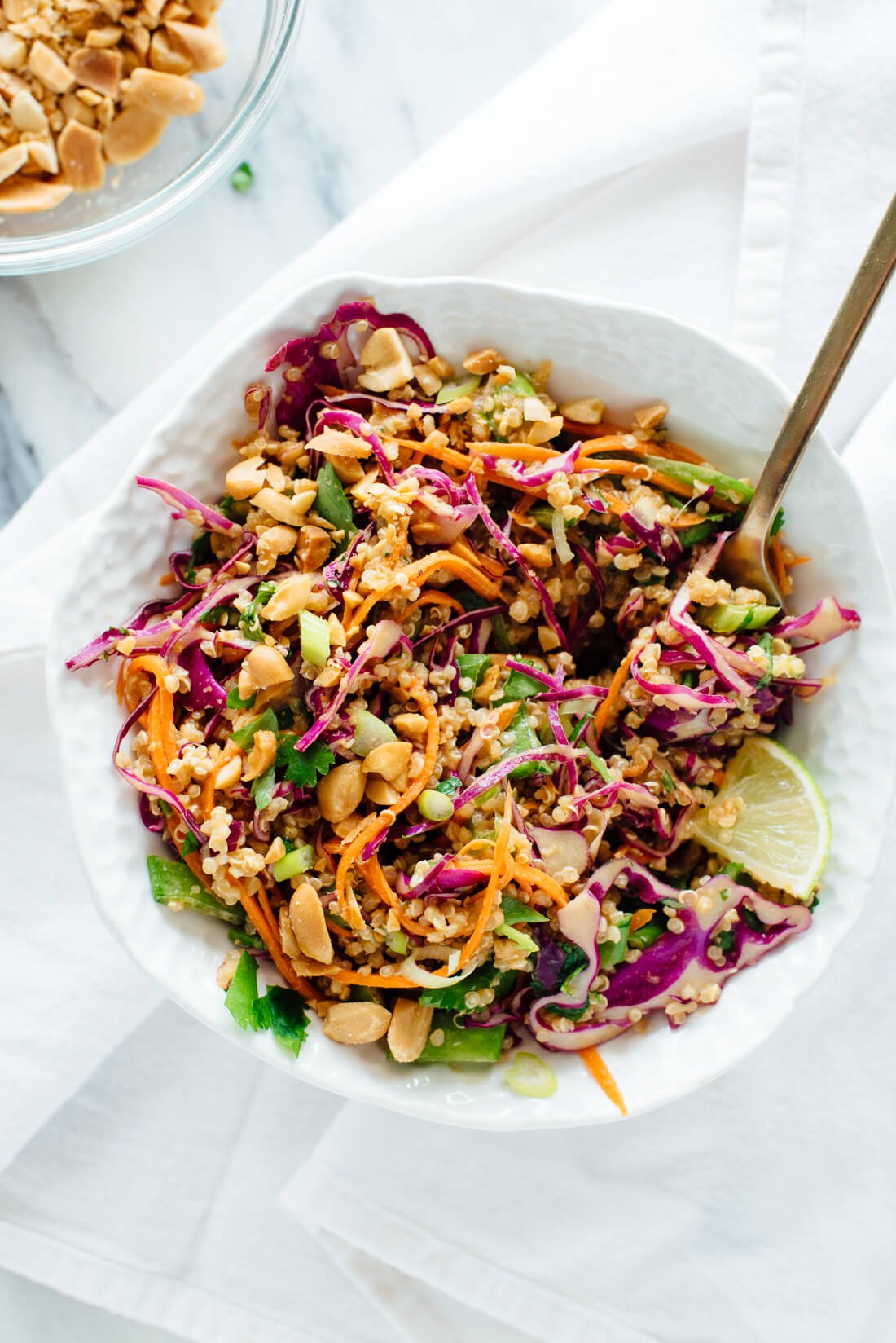
Crunchy Thai Peanut & Quinoa Salad
This Thai-flavored salad recipe is made with carrots, cabbage, snow peas, and quinoa, tossed in peanut sauce. Vegan, gluten free, and packs well for lunch.
View recipe
Lemon chicken stir-fry
Who needs takeaways when you can make this low-fat Chinese-style stir-fry in half an hour?
View recipe
Pork noodle stir-fry
Whip up this filling pork noodle stir-fry for a quick and easy midweek meal. It takes just 30 minutes to make, so is great for busy evenings
View recipe