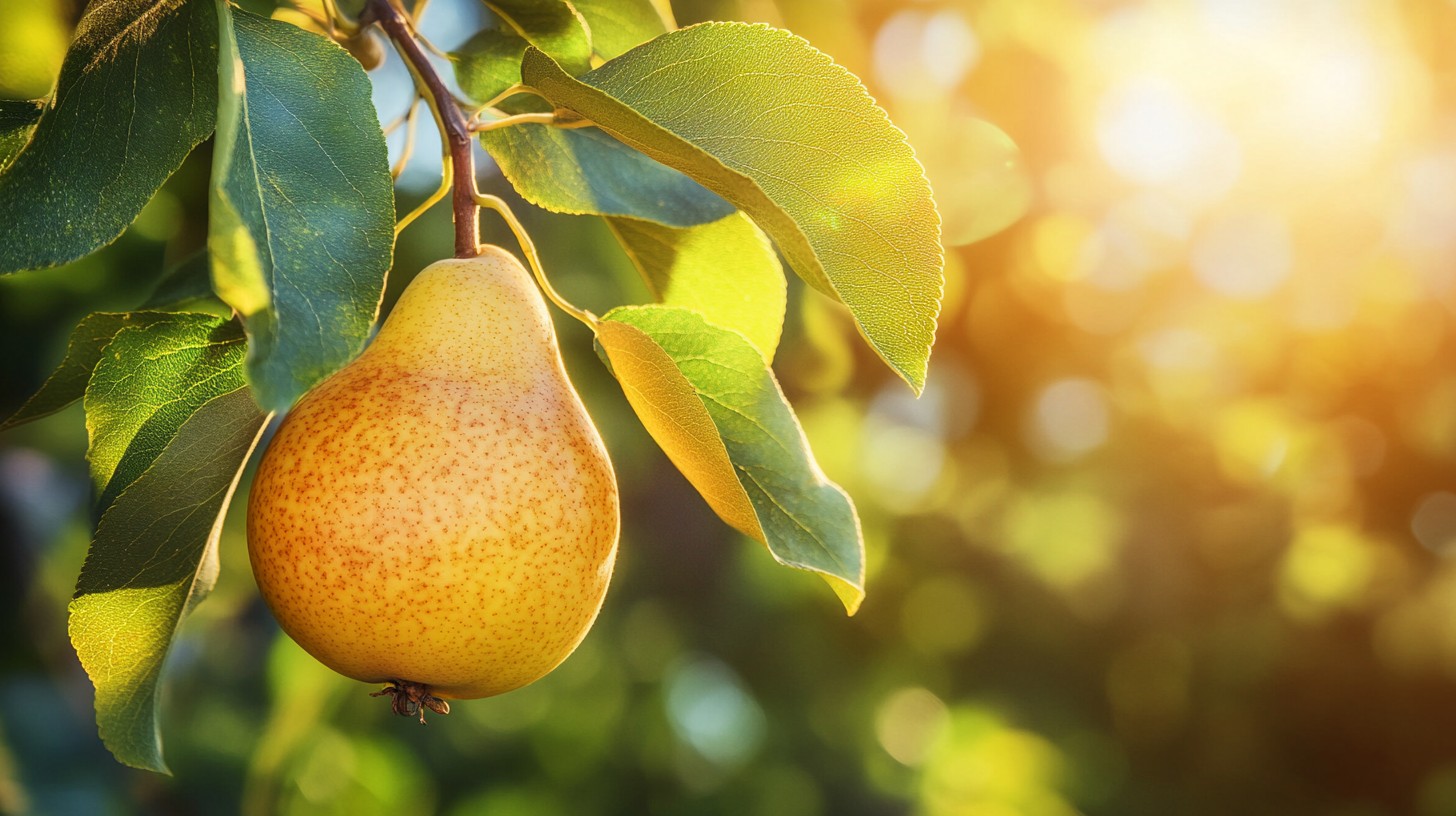
Pear trees
Learn how to grow healthy pear trees in the Netherlands with extensive tips on soil preparation, sowing, maintenance and harvest. Discover the techniques for obtaining sweet and juicy pears.
With the right care and location, pear trees in the Netherlands grow into strong trees that bear juicy fruit year after year. Learn how to prepare, prune and fertilize the soil for a bountiful harvest, discover practical techniques to prevent disease, improve the flavour of your pears and enjoy a healthy tree that blooms and bears fruit every season.
Preparation and cultivation
Soil preparation for strong roots
A good start starts with an airy, nutritious soil. Dig the soil deeply in the autumn and mix in well-decomposed compost or old stable manure. Pear trees like slightly moist, calcareous soil with a pH around 6.5. Avoid wet areas where water remains, as this can cause root rot. Loosen the soil to at least 40 centimeters deep so that young roots can spread easily and absorb oxygen. This way you lay the foundation for healthy growth and a sturdy tree structure.
Choose the right rootstock and location
The choice of rootstock determines how large and fast your pear tree grows. For small gardens, a weakly growing rootstock such as quince A is ideal, while a seedling rootstock is better suited to spacious plots. Place the tree in a sunny spot, sheltered from strong winds and late night frost. Avoid shade from buildings or tall trees, as pears need at least six hours of sun per day. Good air circulation helps prevent mold and promotes even flowering and fruit set.
Growing young pear trees
Plant saplings in early spring or late autumn when the ground is not frozen. Make sure the grafting site remains just above the ground and water generously immediately after planting. Tie the trunk loosely to a sturdy stake to prevent wind damage. Regular watering is important in the first year, especially during drought. Remove any blossoms so that the tree focuses its energy on root growth. After one growing season, the foundation has been laid for a strong, well-branched pear tree.
Planting and care
When and how to plant out
Preferably plant young pear trees in early spring or late autumn, when the ground is not frozen and still sufficiently moist. Dig a large planting hole, mix compost into the excavated soil and position the tree so that the graft site remains just above the ground. Press the soil firmly and water generously. Place a sturdy tree stake on the windward side to prevent crooked growth and use a tree strap that does not cut. This way the tree gets a stable start in the Dutch soil.
Care during growth
Keep the soil around the trunk weed-free and mulch with a layer of compost or wood chips to retain moisture. Water regularly during dry periods, especially in the first years. Fertilize in spring with organic fertilizer to stimulate growth. Check regularly for aphids and scab and remove affected leaves. Prune in winter to keep the crown open and to promote light. An airy crown prevents mold and promotes healthy fruit set.
Maintenance and rejuvenation
After a few years, the tree can use rejuvenation pruning to maintain production. Remove old, crossing branches and encourage new shoots from the center of the crown. Keep the base of the trunk free of grass and provide a layer of compost annually. Check the tree tie and stake, replace or remove them once the tree is firmly rooted. Regular maintenance keeps the pear tree vital, resistant to disease and produces juicy, well-shaped fruit for years to come.
Harvest and store
Determine the right harvest time
Pears in the Netherlands are usually harvested from the end of August to the beginning of October, depending on the variety. Check whether the fruit releases easily with a gentle twist of the stem and whether the skin takes on a slight sheen. Pick in dry weather to avoid damage and use both hands to carefully remove the pear from the branch. Pears picked too early ripen poorly, while pears picked too late quickly become damaged. Collect them in shallow boxes to avoid pressure points.
Ripening and storing pears
Most pears ripen best after picking. Store them cool and dark, for example in a cellar or refrigerator at about 2 to 4 degrees. Place the fruits in one layer and check regularly for rotten ones. Hand pears can last for several weeks, stewed pears often longer. If you want them to ripen faster, place them next to apples at room temperature for a few days. This way the pear develops its full aroma and juicy structure without spoiling too quickly.
Processing pears and preserving them
To enjoy the harvest longer, you can pickle pears, dry them or cook them into compote. Stewed pears retain their flavour well in preserving jars with some sugar and cinnamon, while hand pears are ideal for chutney or jam. Use ripe but firm fruits and work hygienically to prevent spoilage. Frozen pears are less suitable for eating raw, but great for pastries or sauces. This way you make optimal use of every pear, even when the harvest is plentiful.
Organic fruit tree food
This slow-release fertilizer has been specially developed for fruit trees such as pears and ensures balanced growth, strong roots and rich flowering. The nutrition stimulates soil life, improves the structure and promotes natural resistance to diseases. Ideal for use in spring and after harvest for healthy trees and juicy fruits.
View productTree pole with tree strap
A sturdy tree pole with an adjustable tree strap helps young pear trees grow straight and prevents damage from wind. The post provides stability during the first years of growth, while the soft band prevents damage to the bark. Place the stake on the west side of the tree and check the strap tension annually for optimal support.
View productCopper-containing fungicide
A copper-containing agent helps prevent fungal diseases such as pear rust and leaf spots. It forms a protective layer on the leaf surface and inhibits the development of fungal spores. Apply in damp weather or after pruning to protect the tree, maintain leaf health and improve yield.
View productRecipe inspiration

Poached pears in red wine
Try this recipe for poached pears, drenched in a cinnamon-spiced red wine. This low-fat dessert is perfect for dinner party entertaining.
View recipe
Vanilla & white wine poached pears
Make a batch of poached pears and store them in jars to give as part of a homemade Christmas hamper. They go beautifully with ice cream or hot chocolate sauce
View recipe
Merlot-poached pears with vanilla & cinnamon
Whole poached pears make an elegant dinner party dessert, with a red wine sauce and fragrant cinnamon and vanilla
View recipe