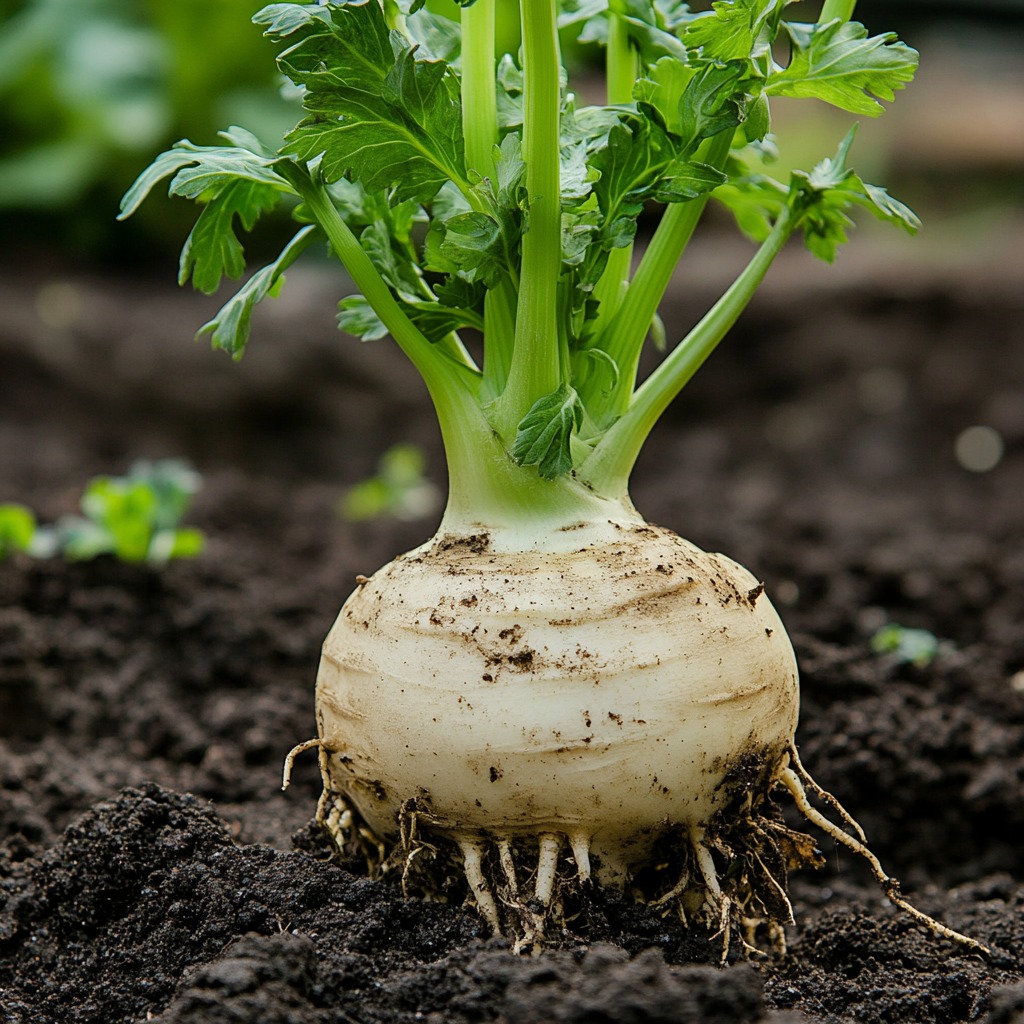
Parsnip
Discover the art of growing parsnips. Learn how to turn this hardy, sweet root vegetable into a true delicacy with the right soil, careful sowing techniques and smart care.
Parsnip is a delicious, winter-hardy root vegetable that thrives in the Dutch climate. With a well-prepared, loose soil, careful sowing and sufficient moisture, you can enjoy long, sweet carrots with a full flavour. This vegetable is ideal for stews, soups and oven dishes and is a valuable addition to the winter kitchen garden. Discover how to successfully grow, care for and harvest parsnips for a bountiful harvest and healthy meals.
Preparation and cultivation
Soil preparation for strong roots
Parsnips require deep, loose and well-drained soil without stones or clods, so that the roots can grow straight and long. In autumn or early spring, dig the soil to at least 30 centimeters deep and mix in some well-rotted compost. Avoid fresh manure as it can cause the roots to branch. A pH between 6.5 and 7 is ideal. Flatten the soil and keep the bed free of weeds to give the young plants enough space later.
Sow at the right time
Sow parsnips directly in the ground as soon as the soil has warmed up sufficiently in March or April. Use fresh seed, because parsnips quickly lose their germination capacity. Sow in shallow trenches about 1.5 centimeters deep with 30 centimeters between rows. Keep the soil moist until germination, which can sometimes take three weeks. Later, thin the seedlings to 4 inches apart so that each plant has enough room to form a strong root.
Care during cultivation
During growth, parsnips especially need uniform moisture and a weed-free soil. Water during drought, but prevent the soil from becoming soggy. A mulch layer of straw or grass helps retain moisture and inhibits weed growth. Check regularly for carrot fly and cover the crop with insect netting if necessary. Let the plants grow quietly until autumn; the taste improves even after a few cold nights.
Planting and care
Plant out in open ground
When the young parsnip plants are strong enough and the danger of night frost has passed, they can be planted in the open ground. Choose a sunny spot with loose, deeply worked soil so that the roots can develop properly. Keep sufficient distance between the plants, about 15 to 20 centimeters, to prevent crooked growth. After planting out, water generously and keep the soil moist but not soggy. A mulch layer helps to retain moisture and limit weed growth.
Care during growth
Parsnips require little maintenance, but regular inspection is important. Keep the soil free of weeds so that the roots are not crowded and water during periods of drought, especially in summer. Avoid excessive fertilization as it can lead to branched roots. Check for carrot fly and cover the rows with insect netting if necessary. Keeping the soil loose and hoeing gently will promote even growth and healthy root formation.
Care in autumn and winter
Parsnips can withstand cold well and can be left in the ground until after the first frost, which even improves the taste. Cover the rows with a layer of straw or leaves to keep the soil frost-free and to make harvesting easier. Check regularly for rotten leaves and remove them to prevent mold. In mild winters you can harvest fresh parsnips straight from the garden well into the season.
Harvest and store
Harvest time and technique
Parsnips can be harvested from late autumn, as soon as the foliage begins to die back. The taste improves after a few night frosts, because the carrot then produces sugars. Use a digging fork to gently loosen the soil and pull out the roots carefully so as not to break them. If necessary, leave a few plants in the ground for a later harvest in the winter, because parsnips tolerate frost well as long as the ground is not frozen.
Storing fresh parsnips
After harvesting, you can store parsnips for several weeks in a cool, dark and moist place, for example in a cellar or shed. Remove the foliage, but leave a small piece of stem to prevent it from drying out. Place the roots in a box with slightly damp sand or peat to keep them fresh. Check regularly for rotten specimens and remove them immediately. This way the harvest remains useful in the kitchen well into the winter.
Freeze and process parsnips
You can freeze parsnips for longer storage. Peel the carrots, cut them into pieces and blanch them briefly in boiling water. Then let them drain well and cool before freezing them in portions. This way the vegetable retains its taste and structure. You can also puree or roast parsnips and then freeze them for quick meals. This way you can enjoy the sweet, earthy taste of your own harvest all year round.
Parsnip seeds organic
Choose organic parsnip seed from a reliable variety that is resistant to cold, moist soil and changing Dutch weather conditions. Sow directly in early spring in loose, deeply worked soil for straight, long roots with a full, sweet flavour that stores well and is suitable for winter dishes.
View productDeep root vegetable container or cultivation container
Use a deep growing container or raised container with at least 30 to 40 cm of soil so that parsnips have enough space to form long roots. Ideal for balconies or gardens with heavy clay soil, because the loose structure promotes growth, drains water well and makes harvesting easier.
View productFine sowing soil for root crops
An airy, stone-free sowing soil ensures even germination and prevents branched roots in parsnips. If necessary, mix with sharp sand or compost for optimal structure and moisture regulation, so that the plants grow strong, healthy and productive in the Dutch climate.
View productRecipe inspiration

Carrot & parsnip soup
Create a batch of creamy parsnip and carrot soup recipe for a warming lunch or supper. Serve with crusty bread and freeze any leftovers for busy days
View recipe
Spicy parsnip soup
This warming roast parsnip soup recipe is bursting with aromatic flavour from spices such as cumin and turmeric, whilst mustard seeds give it a slight kick
View recipe
Slow cooker spiced parsnip soup
Have some leftover parsnips from your Sunday roast? They'll go down a treat in this vegan spiced curry soup. The recipe is made in a slow cooker
View recipe