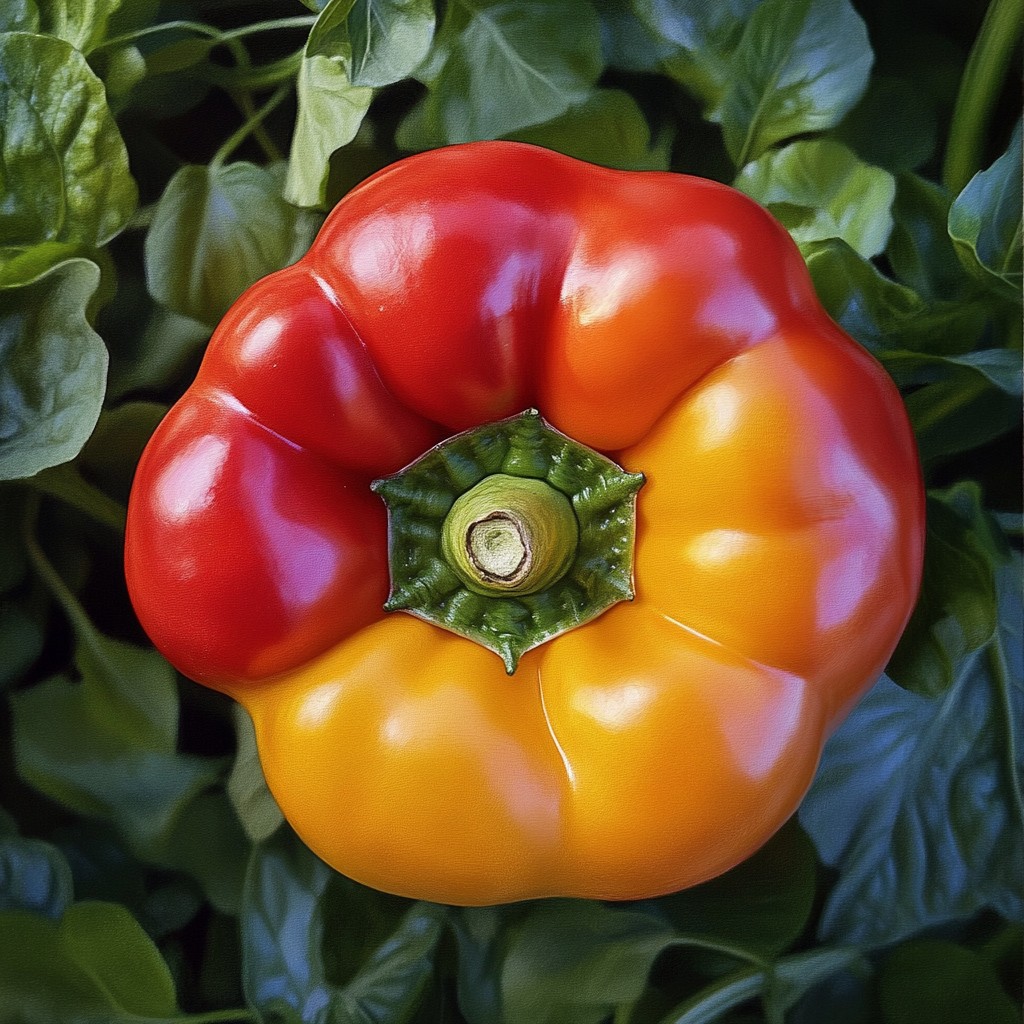
Paprika
Learn how to grow peppers successfully with proper seed and soil preparation for a bountiful harvest of sweet and crunchy fruits.
Growing peppers in the Netherlands requires a warm, sheltered spot and nutritious soil, but with the right preparation you can enjoy an abundance of colorful, crispy fruits even in our climate. Sow indoors early, transplant after frost and water and feed regularly. This way you can harvest healthy peppers full of flavour in the summer, perfect for salads, stir-fry dishes and stuffed varieties from your own garden.
Preparation and cultivation
Sow in early spring
Sow peppers indoors from late February to mid-March at a constant temperature of about 25 degrees. Use good quality sowing soil and press the seeds lightly without covering them too deeply. Keep the soil moist but not wet and provide sufficient light, for example on a sunny windowsill or under grow lights. As soon as the first real leaves appear, you can transplant the seedlings into separate pots so that they develop stronger roots.
Soil preparation and feeding
Peppers like airy, nutritious soil with good water permeability. Work compost or well-rotted manure into the topsoil in early spring to make the soil rich in organic matter. Check the pH value; slightly acidic to neutral soil is ideal. Avoid wet areas where water remains as this can cause root rot. A mulch of straw or wood chips helps retain moisture and suppress weeds, giving the young plants a healthy start.
Harden off and plant out
Before you put the young peppers outside, they have to get used to the outside temperature. From mid-May, place the plants outside in a sheltered spot during the day and bring them back inside at night. After about a week or two they have hardened off enough to be planted in the open ground or greenhouse. Choose a sunny, warm location and plant them at sufficient distance so that air can circulate well. Water immediately after planting and support the stems with a stick if necessary.
Planting and care
The correct planting distance and location
Only plant peppers outside when the night temperature remains above 12 degrees and the soil has warmed up properly. Choose a sunny, sheltered spot, for example against a wall or in a greenhouse. Keep a distance of about 40 to 50 centimeters between the plants so that they get enough air and light. An airy location prevents mold and promotes strong growth. Water generously immediately after planting so that the roots make good contact with the soil.
Care during growth
Peppers need regular water, especially during hot and dry periods. It is better to water less often but deeply so that the roots grow deeper. Remove the lower leaves as the plant grows taller to improve air circulation. Fertilize every few weeks with a potassium-rich fertilizer to encourage fruit set. Check regularly for aphids and whiteflies and remove affected leaves in a timely manner.
Support and pruning for a rich harvest
When the plants start to bloom, it is wise to support them with bamboo sticks or rope to prevent them from falling over. Pinch out the first flower bud to promote the growth of multiple side branches. This way you get more fruits per plant. Remove weak shoots and keep the plant open in structure so that light and air can reach everywhere. This ensures firmer peppers with a fuller flavour and a longer harvest period.
Harvest and store
When peppers are ready for harvesting
Peppers are ready to harvest once they have reached their full colour and are firm to the touch. Green peppers can be picked earlier for a fresher taste, but leave them hanging longer for red, yellow or orange tones with more sweetness. Harvest with a sharp knife or pruning shears so as not to damage the stem. Check regularly as ripe fruits encourage the plant to form new peppers, which increases overall yield.
Store peppers and extend shelf life
After harvesting, it is best to store peppers in a cool, dry place at about 10 to 12 degrees. They can last a little longer in the refrigerator, but temperatures that are too cold make them soft. Remove damaged specimens to prevent mold. You can freeze peppers for longer storage: cut them into strips, blanch briefly and freeze in portions. This way you can also enjoy your summer harvest in winter.
Dry or preserve peppers for later use
If you want to preserve the taste of your own peppers, you can dry or pickle them. Cut the peppers into thin rings and dry them in an oven at a low temperature or in a food dehydrator until crispy. Dried pieces are ideal for stews or spice mixes. Preserving in vinegar or oil with herbs gives a Mediterranean touch to dishes. Store the jars in a dark and cool place for a longer shelf life.
Pepper seeds mix red-yellow-orange
A colorful mix of pepper seeds that performs excellently in the Dutch climate. Sow indoors from February and grow sturdy plants with shiny, sweet fruits in red, yellow and orange. These varieties are suitable for a greenhouse, balcony or sunny sheltered spot in the garden and deliver a long-lasting harvest with high yields and strong plants.
View productOrganic vegetable food for fruit vegetables
Liquid organic fertilizer specially developed for peppers, tomatoes and aubergines. The balanced composition promotes strong root growth, healthy leaves and rich fruit set throughout the season. Suitable for use in pots, greenhouses and open ground, easy to administer with irrigation water for optimal growth.
View productSturdy plant supports with clips
Adjustable plant supports with durable clips to keep pepper plants upright and prevent branch breakage. The weather-resistant materials ensure long-term use, even in changing Dutch weather conditions. Ideal for greenhouse, balcony or garden and easy to reuse during every growing season for stable growth.
View productRecipe inspiration

Mediterranean turkey-stuffed peppers
This low-calorie dinner from Joe Wicks is 3 of your 5-a-day, rich in vit C and folate too. Filling the peppers with low-fat turkey breast mince keeps it lean
View recipe
Mexican-style stuffed peppers
Stuff peppers with rice and black beans, then top with chilli cheese and fresh guacamole for an easy vegetarian family meal. If the kids don't like spice, use a mild cheese instead
View recipe
Stuffed peppers
Pan-fry beef mince with onion, garlic, tomatoes and oregano and stuff into roasted bell peppers - top with melted mozzarella cheese
View recipe