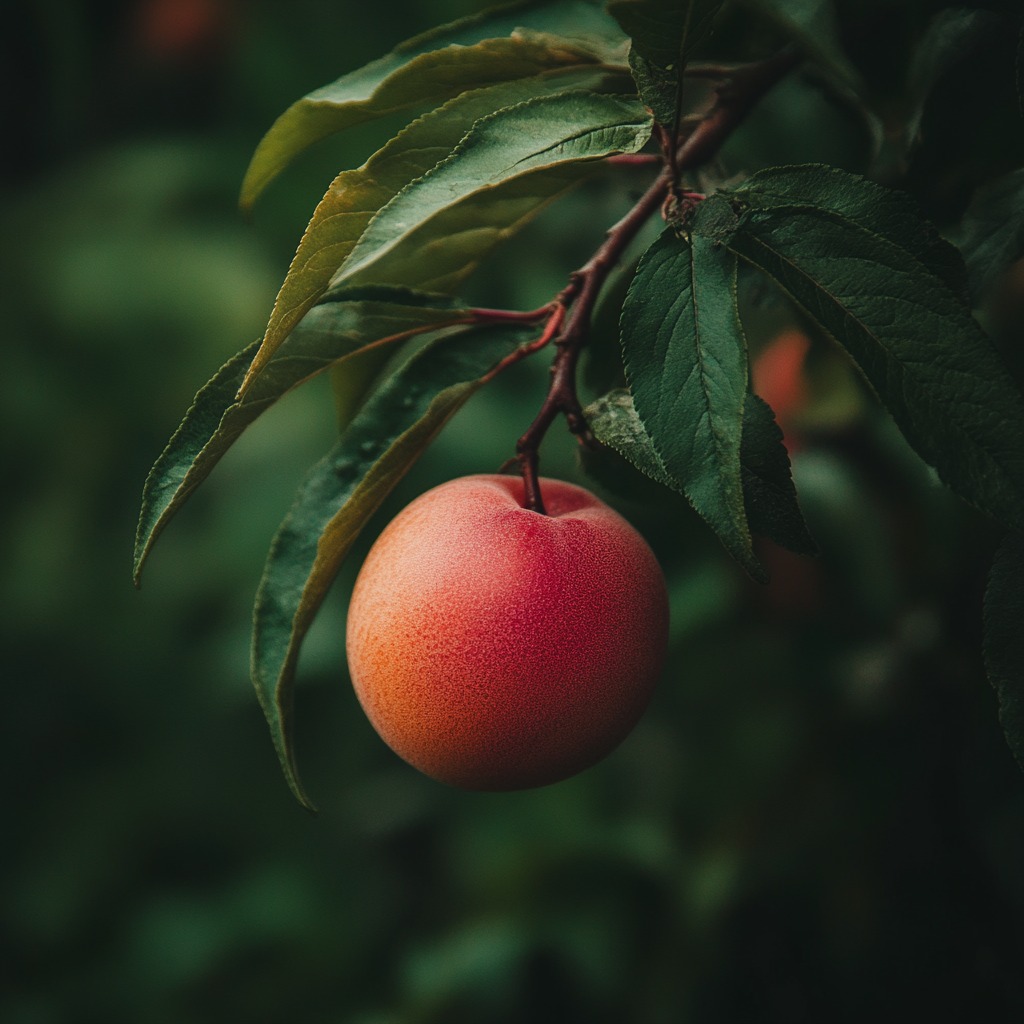
Nectarine
Sweet nectarines for the summer garden
Learn how to grow nectarines successfully with proper soil preparation and care for juicy and sweet fruits. Make sure the soil is well-drained and rich in organic matter. A pH value between 6.0 and 7.0 is ideal. Water regularly, but avoid placing the roots in soil that is too wet. Also take into account the correct distance between trees, about 4-5 meters, so that they have enough space to grow.
Soil preparation and sowing
Sow indoors
Start by sowing nectarine seeds in a warm environment. Use a seed tray and fill it with slightly moist, well-drained potting soil. Place the seeds about 1 cm deep and keep the soil moist. Place the tray in a warm spot, such as a windowsill or under a grow light, until the seeds begin to germinate.
Enrich soil
Mix compost into the soil for an optimal nutrient balance. Compost improves soil structure, increases water retention and provides essential nutrients for nectarine growth. Mix the compost well into the top 30 cm of the soil before planting the seedlings.
Plant out
Plant out the seedlings as soon as the weather is stable. Wait until after the last frost and choose a sunny spot in the garden. Make a large planting hole and place the seedling in it, making sure the roots are well spread out. Cover the roots with soil and press it lightly, then provide plenty of water.
Maintenance
Regular watering
Give the nectarines plenty of water during dry periods. It is important to water the trees regularly, especially in the summer months. Keep the soil moist but not soggy. Check the moisture of the soil by digging a few inches deep; if it feels dry, it's time to water.
Pruning
Prune the tree to maintain good air circulation and shape. Prune in late winter or early spring before new growth begins. Remove crossing branches and make sure the center of the tree remains open for air circulation. This helps prevent diseases and promotes healthy growth.
Fighting pests
Check regularly for pests and treat preventively. Examine the tree's leaves and fruits regularly for signs of insects and diseases. Use organic pesticides if necessary and maintain good hygiene by cleaning up fallen leaves and fruits.
Harvesting, storage and final tip
Harvest when ripe
Pick the nectarines when they feel soft and have a rich colour. The fruits should be firm but still yield slightly when pressed gently. Check regularly as nectarines can ripen quickly and become overripe if left on the tree for too long.
Pick carefully
Pick the fruits by hand to avoid damage. Use your fingers to gently twist and pull the nectarine from the branch. Avoid using sharp objects that can damage the fruits and reduce quality.
Keep cool
Store nectarines in a cool place for optimal freshness. Place the fruits in a cool, dark area such as a cellar or refrigerator. Make sure they are not stacked to avoid bruising. Nectarines can stay fresh for several days to a week, depending on storage conditions.
Dutch practice: Nectarine
Monthly planning for Dutch conditions
Plan Nectarine based on Dutch seasons and not on general international schedules. In most regions, soil development starts from February or March, with planting out after the last chance of night frost around mid-May. In coastal areas, the soil often warms up later due to wind, while sandy soils warm up faster than clay. Work with a fixed weekly check per month: soil temperature, precipitation, disease pressure and growth rate. This way you steer based on the real Dutch weather instead of just a calendar date.
Soil choice in the Netherlands: clay, sand and peat
Soil management in the Netherlands is decisive for Nectarine. On clay, structural improvement with compost and mulch helps to prevent silting. In sandy soils, moisture retention is the priority with organic matter and gentle, deeper watering. On peat soil you pay extra attention to nutritional deficiencies and a stable pH. Choose one approach per bed and evaluate it after each rainy period, because Dutch showers can cause a lot of leaching or waterlogging in a short time. By making soil choices explicit, the chance of success visibly increases.
Limiting weather risks in practice
In the Netherlands, prolonged rain, sudden temperature changes and snail pressure are the most common risks. Therefore, work preventively: sufficient plant distance for air circulation, water at the base instead of over the leaves, and a quick inspection round after wet days. When in doubt, stick to a simple decision rule: first drainage and air, then nutrition, and only then action against pests. This prevents overcorrection and makes Nectarine more consistent throughout the season, even in changeable years.
Nectarine tree fertilizer
Fertilizer for the optimal growth of nectarine trees. Use a balanced fertilizer with a ratio such as 10-10-10 NPK. Fertilize the trees in early spring and again in late summer. Avoid over-fertilization as this can lead to weak growth and susceptibility to disease.
View productNectarine tree plant
Choose healthy nectarines that thrive in the Netherlands. Look for varieties that are known for their resistance to pests and diseases and that perform well in the Dutch climate. Some recommended varieties are 'Fantasia' and 'Redgold'. Make sure you buy trees from a reliable grower.
View productGarden tools
Essential tools for nectarine tree maintenance. Provide sharp pruning shears, a garden hose with nozzle for watering, a hand cultivator for mixing compost, and a spade for planting and transplanting. Good tools make maintaining your trees easier and more efficient.
View productRecipe inspiration

Giant peach, nectarine & apricot meringue tart
Using shop-bought puff pastry makes this dazzling summer tart topped with stone fruit, almond paste and dollops of meringue super quick to prepare
View recipe
Grilled nectarine & burrata salad
Showcase nectarines at their best in the springtime with a stunning salad. With crunchy candied pecans and creamy burrata, it's full of texture
View recipe
Baked nectarines with mascarpone, pistachio & honey
Make nectarines the star of the show – baked until soft with orange juice and honey, they're topped with mascarpone and pistachios for a stunning summer dessert
View recipe