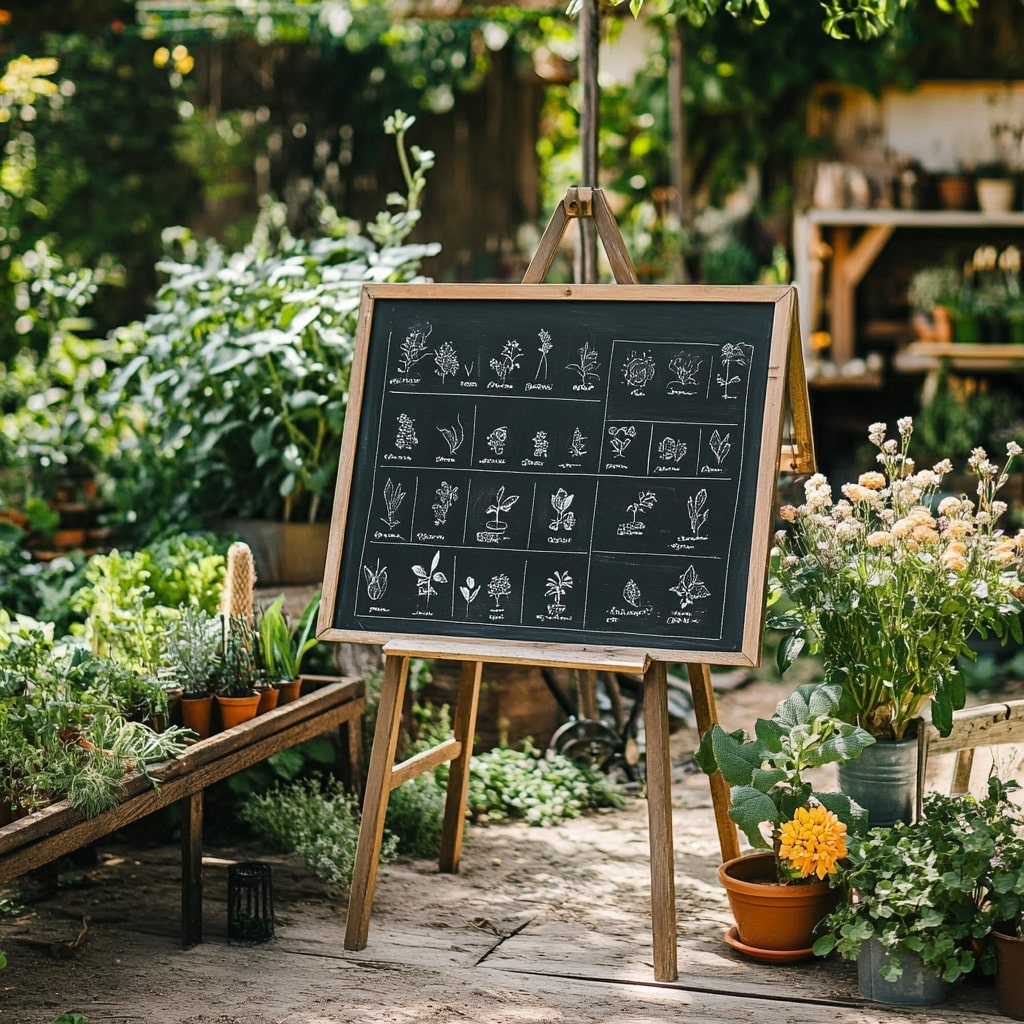
Seasonal planning
Plan your kitchen garden per season
Learn how to effectively plant your kitchen garden according to the seasons so you can harvest all year round. This includes choosing the right crops for each season, preparing the soil with the right nutrients and ensuring proper watering techniques. By properly planning the planting distances and taking into account the growth cycles of different plants, you can guarantee a continuous harvest.
Soil preparation and sowing
Choose seasonal varieties
By choosing seasonal varieties, you maximize growing conditions and harvest opportunities. These varieties are specifically adapted to the climatic conditions of each season, which means that they are more resistant to the typical weather conditions and diseases of that time of year. Make sure you select the correct seeds and plant them at the recommended depth and spacing. This helps promote healthy growth and a bountiful harvest.
Read moreMaintenance
Plan the cultivation cycle
A detailed cultivation cycle helps you get the most out of your kitchen garden. Don't just plan the sowing periods, but also take into account the transition periods between seasons. This means you need to know when to harvest certain crops and plant new ones to make the most of the soil. It is also important to test the soil regularly and improve it with compost or manure to maintain nutrients.
Read moreHarvesting, storage and final tip
Cyclical harvesting
Cyclical cultivation where you replant at fixed times ensures a constant supply of fresh vegetables. This strategy helps you optimize yield and minimize waste. For example, by planting new seedlings every few weeks you can ensure a continuous harvest of certain crops such as lettuce or radish. Make sure you prepare the soil properly between plantings and watch for signs of soil depletion.
Read moreDutch practice: Seasonal planning
Monthly planning for Dutch conditions
Plan Seasonal planning based on Dutch seasons and not on general international schedules. In most regions, soil development starts from February or March, with planting out after the last chance of night frost around mid-May. In coastal areas, the soil often warms up later due to wind, while sandy soils warm up faster than clay. Work with a fixed weekly check per month: soil temperature, precipitation, disease pressure and growth rate. This way you steer based on the real Dutch weather instead of just a calendar date.
Soil choice in the Netherlands: clay, sand and peat
Soil management in the Netherlands is decisive for seasonal planning. On clay, structural improvement with compost and mulch helps to prevent silting. In sandy soils, moisture retention is the priority with organic matter and gentle, deeper watering. On peat soil you pay extra attention to nutritional deficiencies and a stable pH. Choose one approach per bed and evaluate it after each rainy period, because Dutch showers can cause a lot of leaching or waterlogging in a short time. By making soil choices explicit, the chance of success visibly increases.
Limiting weather risks in practice
In the Netherlands, prolonged rain, sudden temperature changes and snail pressure are the most common risks. Therefore, work preventively: sufficient plant distance for air circulation, water at the base instead of over the leaves, and a quick inspection round after wet days. When in doubt, stick to a simple decision rule: first drainage and air, then nutrition, and only then action against pests. This prevents overcorrection and makes Seasonal Planning more consistent throughout the season, even in changeable years.
Seasonal calendar
A calendar for optimal planting times in your region. This calendar helps you determine when to sow, transplant and harvest different crops based on the specific climatic conditions in your area. It takes into account average frost dates, rainfall and temperature variations so you can get the best results. It is also useful to make notes about your own experiences and observations to further refine your crop planning in the future.
View product