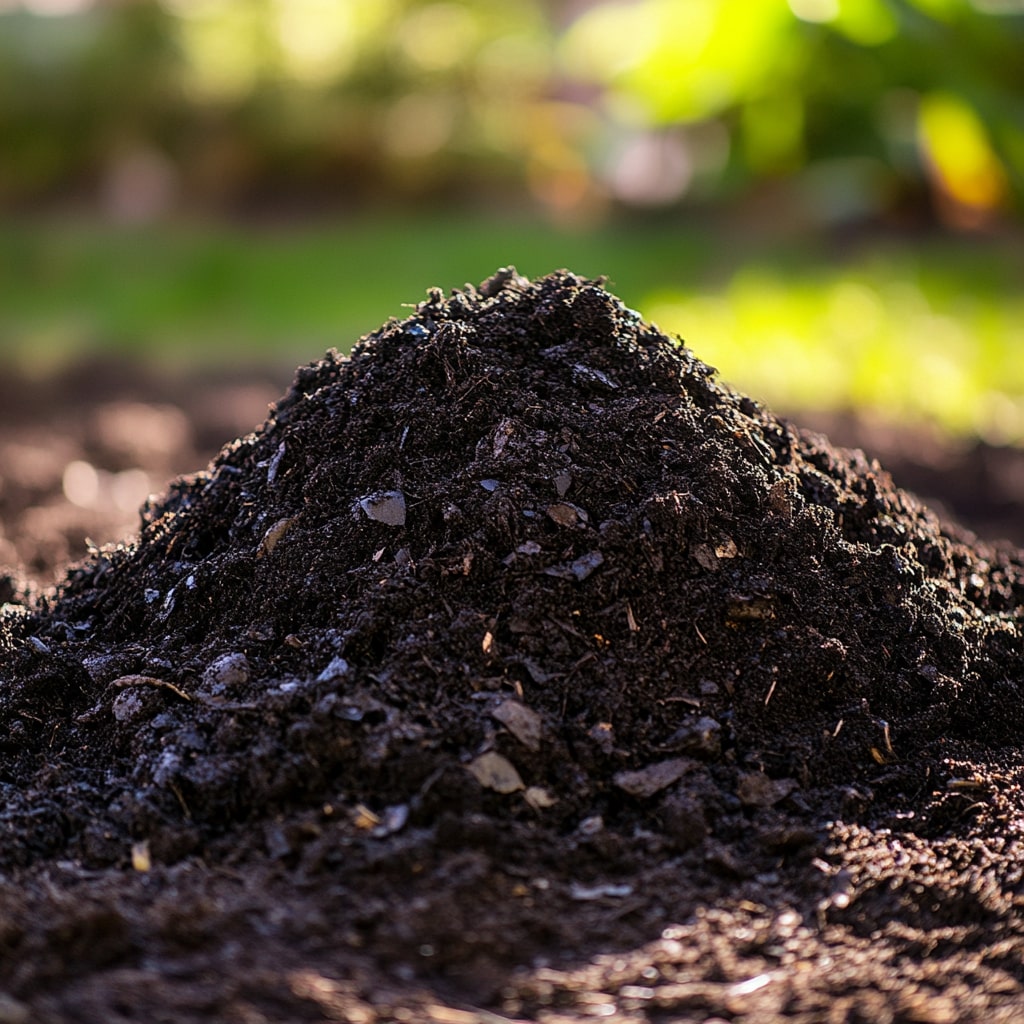
Natural fertilization
Enrich your soil with organic material
Discover how you can increase the fertility of your soil in an environmentally friendly way with natural fertilizers and compost. By using organic materials such as kitchen scraps, leaves and grass clippings, you can make your own nutrient-rich compost. This process reduces waste and improves soil structure, allowing plants to grow better. Make sure your compost is well aerated and moist to speed the decomposition process and maintain a balanced mix of green and brown materials.
Soil preparation and sowing
Use compost
Adding compost enriches your soil with essential nutrients and improves the soil structure. This not only promotes plant growth, but also helps retain moisture, which is especially important during dry periods. Compost ensures better aeration of the soil and increases the organic matter content, which is beneficial for soil life. Regularly applying a layer of compost around your plants helps to suppress weed growth and regulate soil temperature.
Read moreNatural fertilizers
In addition to compost, you can opt for natural fertilizers that come from plants or animals. These fertilizers provide a wide range of nutrients and stimulate biological activity in the soil, leading to a healthier and more fertile garden. Examples of natural fertilizers include well-decomposed farmyard manure, blood meal, bone meal, and seaweed extract. These fertilizers improve long-term soil fertility and support the growth of strong, healthy plants. It is important to distribute the fertilizers properly and adjust the dosage to the needs of your crops.
Read moreMaintenance
Regular fertilization
Regular fertilization keeps your garden productive. By adding extra nutrition at fixed times, you ensure that your plants have continuous access to the necessary nutrients. It is advisable to fertilize in early spring so that the plants get a good start. You can then provide light fertilizers during the growing season to support the plants. Be careful not to use too much fertilizer as this can damage the plants and deplete the soil. A good fertilization schedule helps you find the right balance.
Read moreHarvesting, storage and final tip
Monitor soil quality
Monitoring soil quality is an important step in a sustainable kitchen garden. With regular tests you can detect any deficiencies and make timely adjustments with the right fertilizers. Soil tests can give you insight into the pH value, organic matter content and the presence of essential nutrients such as nitrogen, phosphorus and potassium. Based on the test results, you can take targeted measures to improve the soil and ensure that your plants can grow optimally. It is recommended to perform a soil test at least once a year.
Read moreDutch practice: Natural fertilization
Monthly planning for Dutch conditions
Plan Natural fertilization based on Dutch seasons and not on general international schedules. In most regions, soil development starts from February or March, with planting out after the last chance of night frost around mid-May. In coastal areas, the soil often warms up later due to wind, while sandy soils warm up faster than clay. Work with a fixed weekly check per month: soil temperature, precipitation, disease pressure and growth rate. This way you steer based on the real Dutch weather instead of just a calendar date.
Soil choice in the Netherlands: clay, sand and peat
Soil management is decisive for natural fertilization in the Netherlands. On clay, structural improvement with compost and mulch helps to prevent silting. In sandy soils, moisture retention is the priority with organic matter and gentle, deeper watering. On peat soil you pay extra attention to nutritional deficiencies and a stable pH. Choose one approach per bed and evaluate it after each rainy period, because Dutch showers can cause a lot of leaching or waterlogging in a short time. By making soil choices explicit, the chance of success visibly increases.
Limiting weather risks in practice
In the Netherlands, prolonged rain, sudden temperature changes and snail pressure are the most common risks. Therefore, work preventively: sufficient plant distance for air circulation, water at the base instead of over the leaves, and a quick inspection round after wet days. When in doubt, stick to a simple decision rule: first drainage and air, then nutrition, and only then action against pests. This prevents overcorrection and makes Natural Fertilization more consistent throughout the season, even in changeable years.
Organic Compost
Rich compost for healthy soil. Using well-decomposed compost provides balanced nutrition and improves the structure of the soil. This helps retain moisture and promote healthy root development. By regularly adding compost to your garden, you increase organic matter levels and support soil life, which is essential for a fertile garden.
View productNatural Fertilizers
Fertilizers that enrich the soil naturally. The use of organic fertilizers, such as compost, farmyard manure and green manures, helps to improve soil structure and increase fertility. These fertilizers contain a wide range of nutrients that are gradually released and provide the plants with the necessary nutrition. Natural fertilizers also stimulate microbial activity in the soil, which contributes to the healthy and balanced growth of your plants.
View product