Cheap Vegetable Gardening
Save through reuse
Learn how to set up your own kitchen garden with simple and cheap materials without spending a lot of money. Use old wooden planks or pallets to make raised beds, and fill them with a mixture of compost and garden soil for the best growing conditions. Provide sufficient space between plants, depending on their final size, and water regularly, especially during dry periods. Choose seeds that are appropriate for the season and avoid common mistakes such as overwatering or planting in a spot that is too shady.
Creative with household materials
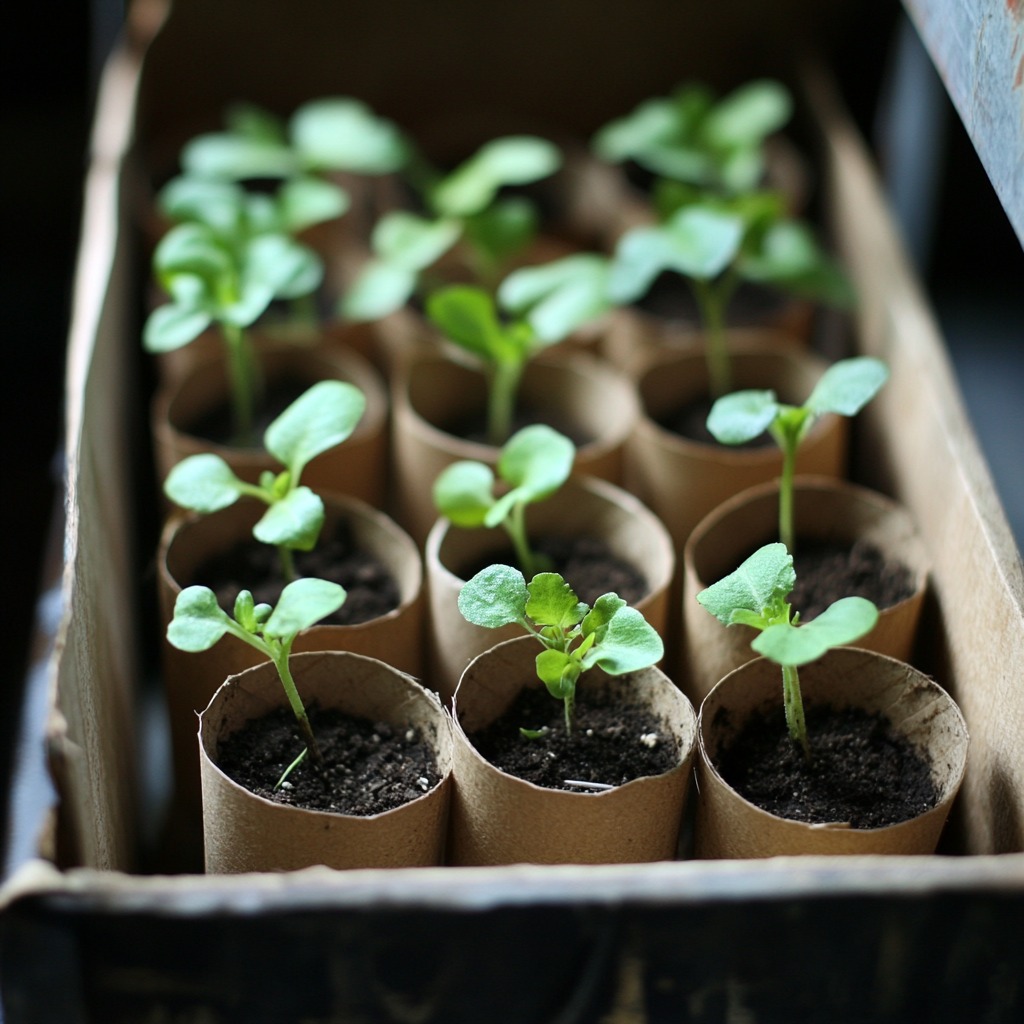
Toilet rolls as pots
Use empty toilet rolls as biodegradable pots for your seedlings. Cut the rolls into smaller pieces, fill them with sowing and cutting soil and plant the seeds in them. Place the rolls in a waterproof container and water regularly, but make sure the soil does not get too wet to prevent mold. When the seedlings are large enough, you can plant them in the ground with the roll and all, because the cardboard roll breaks off automatically.
View productGrowing seeds with sandwich bags
Use sandwich bags and paper towels to help seeds germinate faster. Place the seeds on a damp piece of paper towel, fold the paper in half and place it in a sandwich bag. Seal the bag and place it in a warm place, such as on top of the refrigerator. Check daily to ensure the paper remains moist and after a few days the seeds should start to germinate. Once the roots are visible, carefully transplant the seedlings into pots or directly into the garden.
Reusable seeds
Get free seeds from peppers, tomatoes and other vegetables you eat. Cut the vegetables open, remove the seeds and rinse them to remove any pulp. Let the seeds dry thoroughly on a piece of paper towel or a plate, out of the sun. Store the dry seeds in a paper envelope or glass jar in a cool, dry place until you are ready to plant them. Make sure you only use seeds from ripe and healthy vegetables for best results.
Get plants cheaply
Propagating plants
Take cuttings from plants from friends and family (with permission). Cut off a healthy branch from the plant with a sharp, clean knife or pruning shears, and remove the lower leaves. Place the cutting in a glass of water until it develops roots, which usually takes a few weeks. As soon as the roots are visible, you can plant the cutting in potting soil and water it well. This is an inexpensive way to expand your plant collection while sharing plants with loved ones.
Marketplace and giveaway groups
Find free or cheap cuttings and seeds on platforms such as Marktplaats. Search for deals in your area and pay attention to the descriptions of the plants to ensure they are suitable for your garden conditions. People often offer surplus plants at a low price or even for free, especially in spring and summer. This is a great way to expand your garden without spending a lot of money.
View offerAsk an experienced gardener
Experienced gardeners often have extra seeds or cuttings left over. Ask around your neighborhood or local garden clubs if there is anyone willing to share plants. Many gardeners have more seeds than they can use and are happy to give them away to others. This is also an excellent opportunity to get tips and advice from experienced gardeners and increase your gardening knowledge.
Toilet paper
Useful for growing seedlings. For example, use small pots, seed trays or even recycled plastic containers to start your seedlings. Provide a bright spot, such as a windowsill, and keep the soil moist but not too wet. Once the seedlings are large enough, they can be planted outside, allowing them to get used to the outside temperatures for a few days.
View productMarketplace - Vegetable garden cuttings
View free or cheap cuttings and plants. Visit local plant fairs, swap meets or look online for deals. Garden centers also sometimes have end-of-season sales where you can buy plants for a fraction of the price. This is an excellent way to get a variety of plants in your garden without breaking your budget.
View offer