Sustainable gardening practices
Create an environmentally friendly kitchen garden
Discover tips for setting up a sustainable and environmentally friendly kitchen garden with minimal impact on nature. Start by choosing the right location, preferably one with plenty of sunlight and good drainage. Make sure you prepare the soil properly by enriching it with compost and organic matter. Use natural pest control methods and avoid chemical pesticides. Choose native plants and crops that thrive in your climate, and ensure good crop rotation to maintain soil fertility.
Soil preparation and sowing
Use natural materials
Natural materials such as compost and mulch not only improve soil structure, but also contribute to a sustainable and ecologically responsible garden. They help retain water and nourish the soil naturally. Compost can be made from kitchen and garden waste and provides the soil with essential nutrients. Mulch, such as wood chips or straw, helps keep the soil moist, suppress weeds and keep soil temperatures stable. Regularly adding these materials improves soil structure and promotes the growth of healthy plants.
Read moreMaintenance
Efficient water management
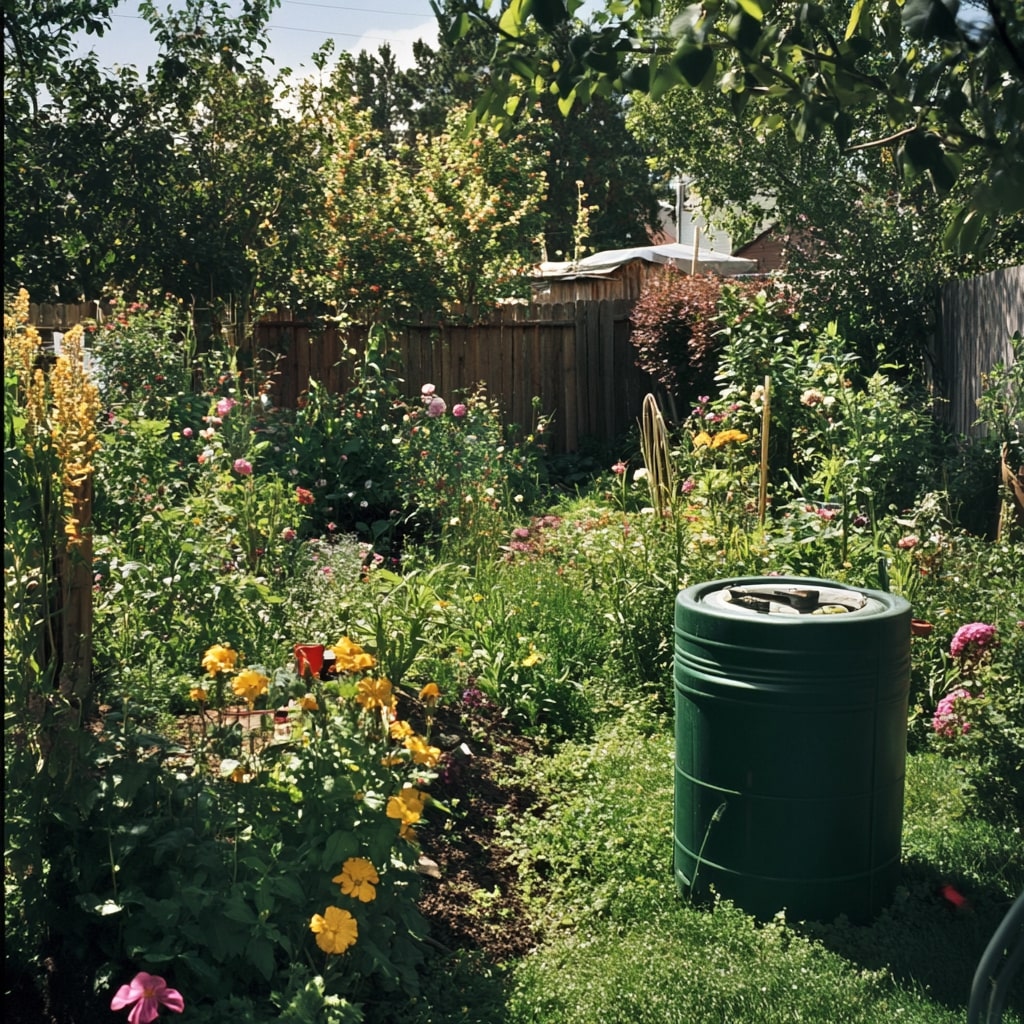
By collecting and reusing rainwater, you reduce your dependence on tap water. This is not only sustainable, but also cost-saving in the long term. Install rain barrels or collection systems to collect water from roofs and other surfaces. Use this water to water your garden, especially during dry periods. Rainwater is often softer and free of chemicals, which is better for your plants. Make sure you clean the collection systems regularly to prevent blockages and algae formation.
Read moreChoose native plants
The use of native plants ensures better integration into local ecosystems. They require less water and maintenance and are often more resistant to local pests and diseases. Native plants are adapted to the local climate and soil, allowing them to thrive without additional help. They also support local wildlife, such as bees and butterflies, which depend on these plants for food and habitat. By choosing native plants, you create a garden that is in harmony with the natural environment and contributes to biodiversity.
Read moreHarvesting, storage and final tip
Recycle and reuse
By recycling and reusing organic waste, you perfectly close the nutrient cycle in your garden. This contributes to a sustainable garden and reduces waste, while constantly enriching your soil. Collect kitchen scraps such as vegetable peels, coffee grounds and eggshells, as well as garden waste such as leaves and grass clippings, to make compost. This compost can then be used to improve the soil and nourish plants. Regular composting reduces the amount of waste going to the landfill and provides a continued supply of nutrients for your garden.
Read moreDutch practice: Sustainable garden practices
Monthly planning for Dutch conditions
Plan Sustainable Gardening Practices based on Dutch seasons and not on general international schedules. In most regions, soil development starts from February or March, with planting out after the last chance of night frost around mid-May. In coastal areas, the soil often warms up later due to wind, while sandy soils warm up faster than clay. Work with a fixed weekly check per month: soil temperature, precipitation, disease pressure and growth rate. This way you steer based on the real Dutch weather instead of just a calendar date.
Soil choice in the Netherlands: clay, sand and peat
Soil management in the Netherlands is decisive for sustainable gardening practices. On clay, structural improvement with compost and mulch helps to prevent silting. In sandy soils, moisture retention is the priority with organic matter and gentle, deeper watering. On peat soil you pay extra attention to nutritional deficiencies and a stable pH. Choose one approach per bed and evaluate it after each rainy period, because Dutch showers can cause a lot of leaching or waterlogging in a short time. By making soil choices explicit, the chance of success visibly increases.
Limiting weather risks in practice
In the Netherlands, prolonged rain, sudden temperature changes and snail pressure are the most common risks. Therefore, work preventively: sufficient plant distance for air circulation, water at the base instead of over the leaves, and a quick inspection round after wet days. When in doubt, stick to a simple decision rule: first drainage and air, then nutrition, and only then action against pests. This prevents overcorrection and makes Sustainable Gardening practices more consistent throughout the season, even in changeable years.
Rainwater collection
Rainwater collection systems. Installing a rainwater harvesting system can range from simple rain barrels to more elaborate underground tanks. Choose a system that suits the size of your garden and your water needs. Make sure the collection system is properly covered to prevent dirt or insects from entering. Use the collected water to water your garden, wash your car or do other outdoor jobs. A well-managed rainwater harvesting system can significantly reduce your water consumption and contribute to a more sustainable lifestyle.
View productOrganic Compost
Choose compost of natural origin. Use compost made from organic matter such as plant scraps, kitchen scraps and manure from herbivores. Avoid compost that may be contaminated with chemicals or pathogens. Homemade compost is often the best option because you know exactly what is in it. Make sure the compost is well decomposed before using it to avoid damaging young plants. Compost of natural origin improves soil structure, increases water retention and supplies essential nutrients to your plants.
View product