Mesh
Discover the secrets of corn cultivation and learn how to use the right techniques to achieve a bountiful, tasty harvest in your own garden.
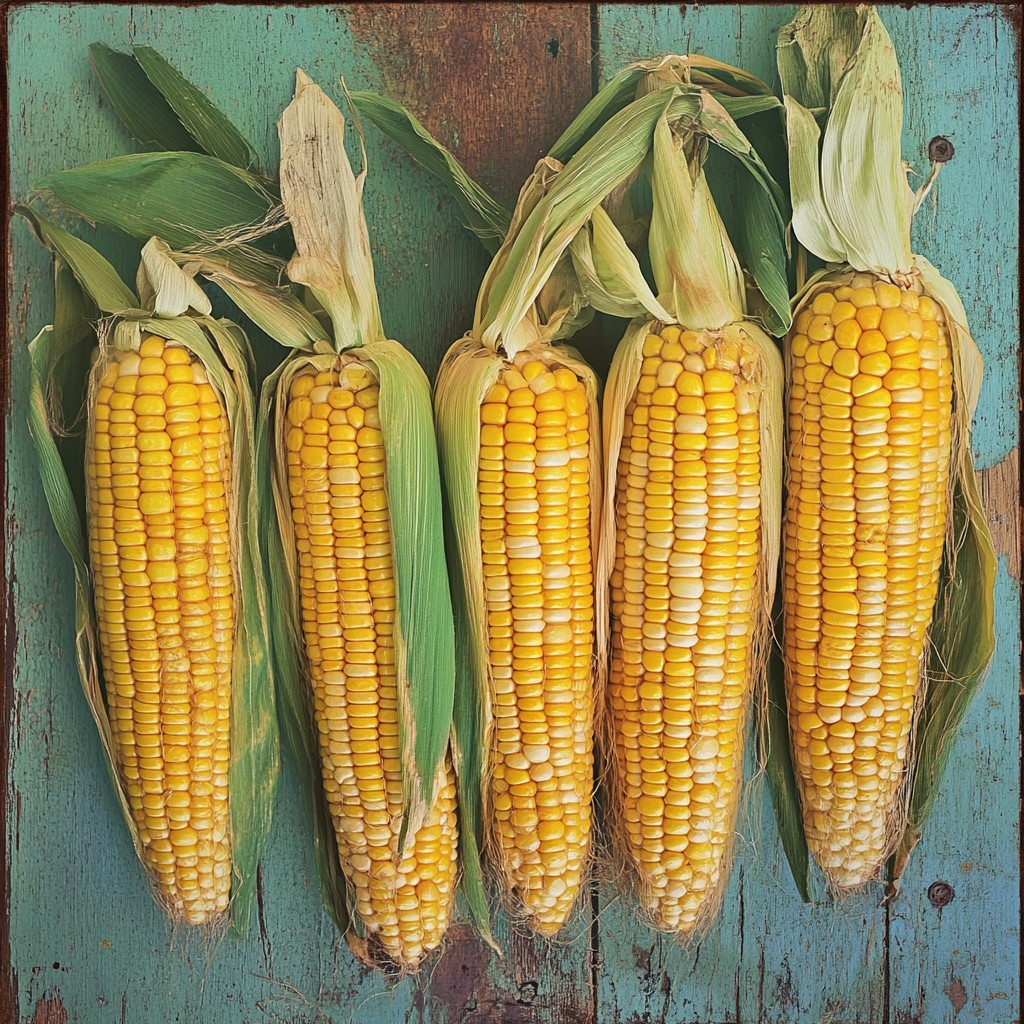
With the right care, timing and attention you can grow strong corn stalks and full cobs in the Dutch climate. Discover how well-prepared soil, targeted fertilization and careful pollination together ensure a rich harvest. Plus, learn how to keep corn healthy with natural methods that complement a sustainable and productive garden, so you can enjoy fresh, homegrown corn on the cob every season.
Preparation and cultivation
Soil preparation for strong plants
Start with a sunny spot where the soil warms up well and does not remain too wet. Dig the soil deeply in early spring and mix in well-decomposed compost or stable manure for a light, nutritious structure. Corn likes a pH around 6 to 7, so lime the soil if necessary. By covering the soil with black foil a few weeks before sowing, you accelerate warming and give the young plants a head start in the Dutch growing season.
Sowing and growing maize
Only sow corn when the soil temperature is above 10 degrees, usually from mid-May. For an early start, you can sow seeds indoors or in a greenhouse in pots at the end of April, so that the roots can grow undisturbed. Plant out the young corn plants when they are 10 to 15 centimeters high, with about 30 centimeters between them. Plant them in blocks instead of rows to improve pollination and protect young plants from cold nights with fleece cloth.
Care during growth
Keep the soil moist but not soggy, especially during flowering and spall formation. Water regularly during drought and mulch with straw or grass to limit evaporation. Corn is a voracious eater, so give an extra dose of organic fertilizer or compost tea mid-season. Remove weeds carefully so as not to damage the roots. When the plants are knee-high, you can fill the base for extra strength, so that they can better withstand wind and rain.
Planting and care
When to plant corn
Only plant young corn plants outside once the risk of night frost has passed, usually at the end of May or beginning of June. The soil temperature must be at least ten degrees so that the roots can take root well. Place the plants in blocks instead of rows to promote pollination. Keep a distance of about thirty centimeters between the plants and fifty centimeters between the rows. Provide plenty of water immediately after planting and, if necessary, protect young plants against cold wind or birds with a fleece cloth.
Care after planting out
Once the corn is growing well, regular care is important. Keep the soil weed-free and loose to provide the roots with sufficient oxygen. Water during drought, especially during flowering and cob formation, because corn cannot tolerate prolonged drought. A mulch layer of straw or grass helps retain moisture and prevents weed growth. Check regularly for aphids or snails and remove them manually or with natural means.
Support and nutrition during growth
Corn is a fast grower and requires sufficient nutrition. Give an extra dose of organic fertilizer or compost tea halfway through the season to stimulate cob development. Strong winds can cause tall stems to autumn, so ridding them or lightly tying them up helps to keep them standing firmly. Remove any side shoots so that the energy goes to the main plant. Continue watering until the cobs are well filled and then let them ripen in the sun.
Harvest and store
Determine the right harvest time
Corn is ready to harvest when the tufts turn brown on top and the kernels are firm and milky when pressed. In the Dutch climate this usually falls in August or September, depending on the variety and the summer heat. Harvest in dry weather to prevent mold formation and cut the cobs from the plant with a sharp knife. Check regularly, because harvesting too late makes the grains hard and less sweet. Freshly harvested corn tastes best straight from the plant.
Storing corn and extending shelf life
After harvesting, it is best to process or cool corn cobs as quickly as possible. Store fresh cobs in the refrigerator, wrapped in a damp cloth, so they retain their juiciness. For longer storage, you can blanch and freeze the grains, which preserves the taste and colour. Allow the flasks to cool before packaging them. Dried corn, such as for popcorn or flour, should be completely dry and stored in an airtight container in a cool, dark place.
Winning seeds for next season
If you want to save your own seeds, choose a few healthy plants and let the cobs ripen completely on the stem until the skin is dry and brown. Remove the grains from the cob and let them dry for a few weeks in an airy, dry place. Then store the seeds in paper bags or labeled glass jars in a cool and dark place. Only use seeds from non-hybrid varieties so that the properties are preserved. This way you can build your own strong corn line every year.
Organic corn seeds for full cobs
Choose strong, organically grown corn seeds that perform well in the Dutch climate. These varieties can withstand varying temperatures, produce sweet, full cobs and grow well in nutritious, well-drained soil. Ideal for vegetable gardens with sufficient sun, regular watering and a well-fertilized soil for a rich harvest in the summer.
View productOrganic corn fertilizer with extra potassium
A natural fertilizer with extra potassium and nitrogen supports strong stems, good spall formation and healthy leaf colour. Use during the growth phase to increase yield, improve soil structure and stimulate soil life without chemical additives. Suitable for organic cultivation and safe for bees and earthworms.
View productInsect mesh against corn flies and birds
Fine-mesh insect mesh protects young corn plants against corn flies, birds and other pests. It allows air, light and rain to pass through, but prevents damage to leaves and cobs. Reusable, durable and easy to attach over beds or tunnels in the kitchen garden, so your plants can grow undisturbed.
View productRecipe inspiration

Air fryer corn on the cob
Cook corn on the cob in the air-fryer, seasoned with smoked paprika. Squeeze over lime juice to serve, and enjoy as a side dish for a barbecue
View recipe
Buttery baked corn on the cob
The taste of warm, buttery corn on the cob is hard to beat on a summer day, and it makes a great side dish to spicy chicken
View recipe
Mexican corn on the cob
Spice up barbecued sweetcorn with chilli, lime and lashings of melted butter
View recipe