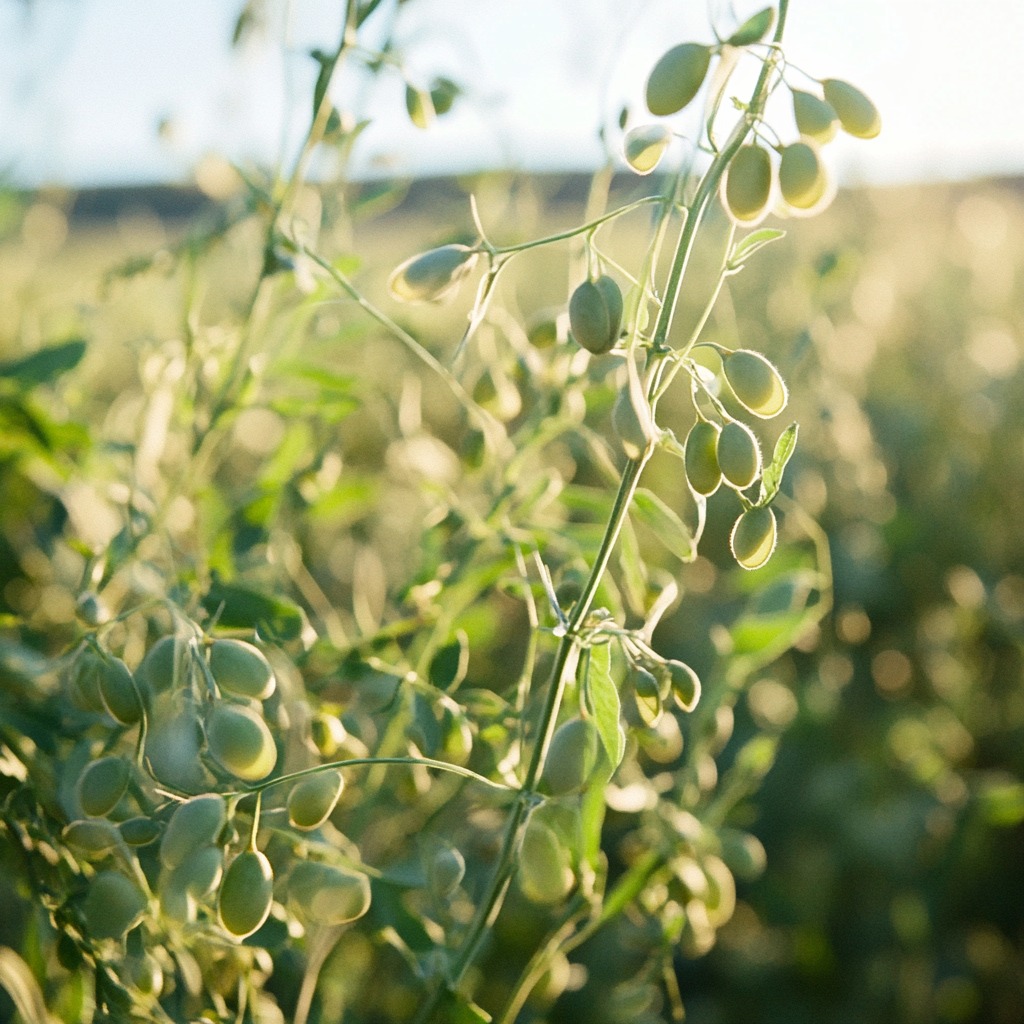
Lentils
Grow your own nutritious and tasty lentils, perfect for healthy meals and a sustainable addition to your kitchen garden.
Lentils are a surprisingly easy and sustainable legume to grow yourself in the Dutch climate. With sufficient sun, well-drained soil and regular care, they deliver a nutritious harvest full of protein and fiber. Ideal for those who want to prepare healthy meals with ingredients from their own garden, enrich the soil with nitrogen and at the same time contribute to a more sustainable way of gardening.
Preparation and cultivation
Soil preparation and location
Lentils grow best in a sunny spot with light, well-drained soil that is not too rich in nitrogen. Dig the soil in early spring and mix in some compost for an airy structure. Avoid fresh manure as it encourages leaf growth instead of pod formation. A pH between 6 and 7 is ideal. Make sure the soil does not remain too wet, because lentils cannot tolerate wet feet for long periods of time. A raised bed or gentle slope helps with good drainage.
Sowing and germinating
Sow lentils from late April to mid-May, as soon as the soil has warmed up sufficiently. If necessary, soak the seeds in lukewarm water for a few hours to speed up germination. Sow in rows about 20 centimeters apart and cover the seeds with a thin layer of soil. Keep the soil slightly moist until the seedlings appear, usually within one to two weeks. Protect young plants from snails and birds with a fine net or light cover.
Caring for young plants
When the lentil plants are a few centimeters high, you can gently loosen the soil to remove weeds and stimulate root growth. Only water during prolonged drought, because lentils are drought tolerant. If necessary, place small support sticks as the plants grow taller, so that they do not autumn over in wind or rain. Check regularly for aphids and remove affected parts in a timely manner. A straw mulch layer helps retain moisture and prevents weeds from crowding out the young plants.
Planting and care
Planting lentils
When the young lentil plants are about ten centimeters high and the risk of night frost has passed, they can be planted outside. Choose a sunny spot with airy, well-drained soil and keep sufficient distance between the plants so that air can circulate properly. Plant them carefully to avoid root damage and water immediately after planting out. A mulch layer helps to retain moisture and limit weed growth, which promotes growth in the Dutch spring.
Care during growth
Lentils require little nutrition, but benefit from an evenly moist soil without it becoming too wet. Water during prolonged drought, especially during flowering and pod formation. Remove weeds regularly to prevent competition and, if necessary, support the plants with a layer of mesh as they grow taller. Check for aphids and remove affected parts in a timely manner. A healthy, airy location prevents fungal problems and promotes rich pod formation.
Maintenance and preparation for harvest
As the summer progresses, the pods begin to ripen and slowly turn brown. Reduce watering at this stage to prevent mold and allow the pods to dry thoroughly. Check regularly whether the plants are still standing and remove dead leaves. When most of the pods feel dry and hard, it's time to harvest. Pull the plants out of the ground and let them dry in a dry, airy place before removing the lentils from the pods.
Harvest and store
When lentils are ready for harvesting
Lentils are ready to harvest once the pods begin to turn brown and dry, usually in August or September. Wait until the foliage has largely withered, but pick before the pods open in rainy weather. Pull the entire plant out of the ground and hang it upside down in a dry, airy place to dry further. This prevents mold formation and loss of seeds, and you can easily rub open the pods later to remove the lentils.
Drying and cleaning the harvest
After harvesting, proper drying is essential for the lentils to be stored for a long time. Spread the pods or loose seeds on a clean cloth or sieve in a warm, dry area with adequate ventilation. Stir them daily to promote even drying. Once the seeds feel hard and crunchy, you can sift or blow them to remove any remaining pods and dust. A properly dried lentil retains its taste and nutritional value for months.
Store and use in the kitchen
Store completely dry lentils in tightly sealed glass jars or tins in a cool, dark place. Check occasionally for moisture or insects, especially in the first weeks. Lentils keep well for up to a year and are immediately ready to use in soups, salads or stews. By saving part of the harvest as seed for the next season, you maintain a sustainable cycle in your kitchen garden.
Organic lentil seeds
Choose organic lentil seeds that are well suited to the Dutch climate. These seeds germinate quickly in well-drained soil and produce sturdy plants with a rich harvest of nutritious pods. Ideal for vegetable gardeners who want to grow self-sufficiently, improve soil quality and pursue sustainable cultivation.
View productFine-mesh growth net for legumes
A fine-mesh growth net supports lentil plants during growth and prevents them from falling over in wind or rain. It provides air circulation, prevents mold formation and makes harvesting easier. Place the net immediately after planting to guide the young shoots well and allow them to grow firmly.
View productSoil tester for pH and moisture
With a simple soil tester you can check whether the soil for lentils is well-drained and slightly calcareous. This way you can make timely adjustments with compost or lime and create optimal growing conditions. Regular measurements help maintain the proper balance for healthy, productive lentil plants.
View product