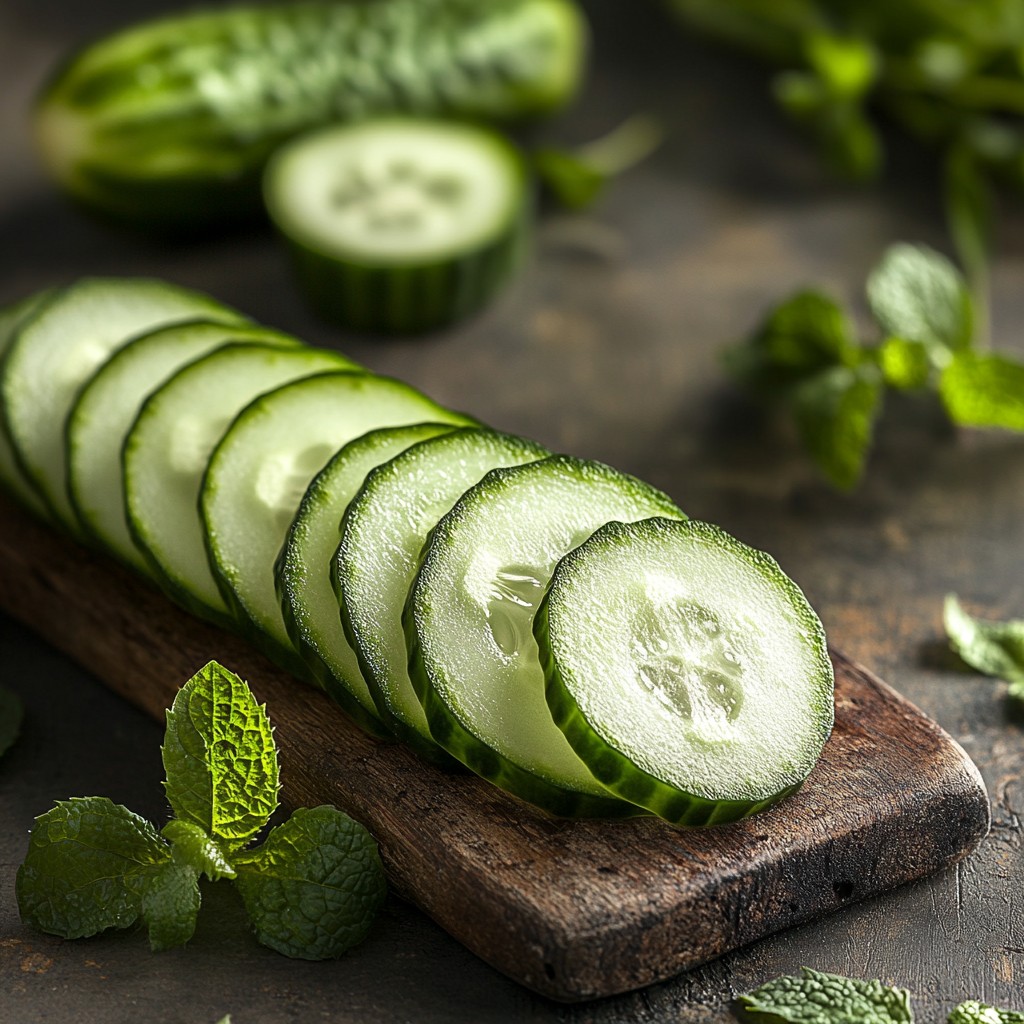
Cucumber
Discover the best methods to grow crispy and juicy cucumbers in your kitchen garden.
With some warmth, support and regular watering, you can grow delicious, crispy cucumbers full of flavour in the Netherlands. Discover how to properly tie the plants, prevent pests and extend the harvest, so that you can enjoy fresh cucumbers from your own garden all summer long. With the right care, the vines remain healthy, the fruits juicy and your kitchen garden a source of summer freshness.
Preparation and cultivation
Sowing and germinating
Sow cucumber seeds indoors from the end of April in pots with airy sowing soil and keep the temperature around 22 degrees for quick germination. As soon as the first leaves appear, water regularly but moderately to prevent mold. Place the young plants in a bright spot, but not in direct sunlight. After about three weeks they are strong enough to harden off and later plant outside. This way you start with sturdy, healthy seedlings that can withstand the changeable Dutch spring weather.
Soil preparation and feeding
Cucumbers like a nutritious, airy soil that retains moisture well but is not too wet. In the spring, work plenty of compost or well-decomposed manure into the soil to improve the structure and provide sufficient nutrition. Check the pH value; slightly neutral to weakly acidic is ideal. Create beds or raised containers so that excess water can drain properly. A mulch of straw or grass helps retain moisture and suppress weeds, which promotes the growth of young plants.
Prick out and harden off
When the seedlings have two true leaves, carefully transplant them into larger pots with nutritious potting soil. Give them a few days to recover and then start hardening them off by putting them outside in a sheltered spot during the day. This way they get used to wind, sun and temperature differences. Avoid cold nights and bring them back in on time. After a week or two the plants are strong enough to be permanently planted outside, where they quickly grow into productive cucumber plants.
Planting and care
Plant out in open ground
Only plant the young cucumber plants outside when the night temperature remains above 12 degrees, usually at the end of May or beginning of June. Choose a sheltered, sunny spot with nutritious, airy soil. Plant them about 40 to 50 centimeters apart so that the vines have room to grow. Water generously immediately after planting and cover the soil with straw or compost if necessary to retain moisture and limit weed growth. This way the plants take root quickly and continue to grow vigorously.
Support and guide growth
Cucumbers like to grow upwards, so provide them with support with a rack, rope or mesh. Gently tie the vines and train them upward to promote air circulation and prevent mold. Regularly remove the lower leaves that touch the ground to limit diseases. Check weekly for new shoots and pinch away excess side shoots for better fruit set. By controlling growth you keep the plants organized and encourage a longer harvest period.
Watering and care during the season
Cucumbers need a lot of water, especially during hot, dry periods. Preferably apply directly to the base of the plant in the morning or evening, so that the leaves remain dry and mold has less chance. Add a liquid fertilizer once every two weeks to support growth. Remove yellowed leaves and check for aphids or spider mites. Consistent care and observation will keep the plants healthy and produce an abundance of juicy cucumbers.
Harvest and store
The right harvest time
Harvest cucumbers when they feel firm and have fresh, shiny skin, usually 10 to 14 days after flowering. In the Dutch climate this often happens from July to September. Pick regularly to stimulate the plant to form new fruits. Use a sharp knife or pruning shears to cut the stem just above the fruit so as not to damage the tendril. Waiting too long makes the cucumber bitter and reduces yield, so check the plants every few days.
Storing fresh cucumbers
Store cucumbers in a cool, but not too cold place, ideally around 10 to 13 degrees. In the refrigerator they quickly lose moisture and become limp. If necessary, wrap them in a slightly damp cloth or store them in a paper bag to prevent them from drying out. Avoid contact with ethylene-producing fruits such as apples or tomatoes, as this speeds up the ripening process. This way they stay crispy and tasty for up to a week, perfect for salads or sandwiches.
Preserve and enjoy longer
If you have an abundance of cucumbers, pickling is a delicious way to enjoy the harvest for longer. Cut the cucumbers into slices or strips and place them in a mixture of vinegar, water, sugar and herbs such as dill or mustard seeds. Close the jars tightly and store them in a cool, dark place. After a few weeks, the flavors are nicely absorbed and you have fresh, homemade pickles that will keep for months.
Climbing frame for cucumbers
A sturdy metal or bamboo climbing frame helps cucumber plants grow straight up, prevents fruits from lying on the ground and promotes air circulation. Ideal for greenhouses or open vegetable gardens in the Netherlands where space is limited, plants need extra support and the yield is therefore noticeably higher.
View productOrganic vegetable fertilizer for fruiting vegetables
A slow-release, organic fertilizer with extra potassium and nitrogen supports healthy growth and a rich harvest of juicy cucumbers. Suitable for use in pots, greenhouses and open ground, tailored to the Dutch growing season and promotes a balanced nutrition throughout the entire cultivation period.
View productDrip irrigation set for kitchen garden
With a drip irrigation system you can water cucumber plants evenly without waste. This prevents stress due to drought or too wet soil and ensures constant growth, especially during warm summers in the Netherlands, while water use remains efficient and the plants remain healthy.
View productRecipe inspiration

Tzatziki
Make our simple tzatziki sauce. This fresh and simple Greek dip is perfect served with toasted pitta bread for a party platter or served with slow roast lamb
View recipe
Chicken & tzatziki wraps
Pile chunks of chicken with cucumber, tomatoes and tzatziki to make these easy wraps. They're budget friendly and take less than 30 minutes to make
View recipe
Cucumber salad
An Asian-inspired dish, this cucumber salad is the perfect accompaniment to Thai curries.
View recipe