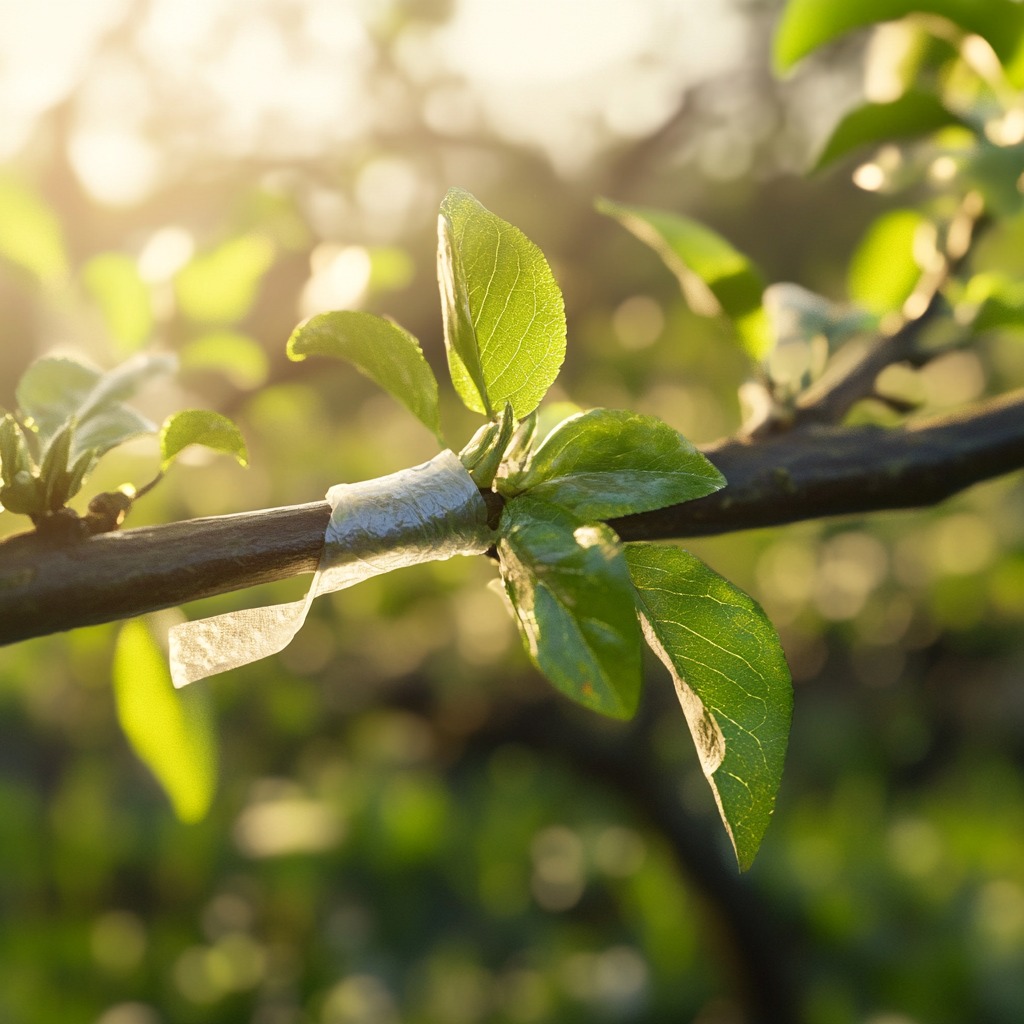
Grafting fruit trees
Learn how to graft fruit trees for a rich harvest of healthy and tasty fruits. Discover the secrets of successful grafting and enjoy a beautiful garden full of fruit trees.
Discover how to use the right grafting technique to grow strong fruit trees that bear fruit faster, are more resistant to diseases and last longer. With a few simple steps you can combine different varieties, control growth and improve harvest. Perfect for gardeners who want to get more out of their orchard in the Dutch climate, save space and enjoy healthy, tasty fruits from their own garden.
Preparation and cultivation
Choosing the right rootstock
Good preparation starts with selecting a suitable rootstock. This not only determines the growth vigor and final size of the tree, but also its resistance to diseases and its suitability for Dutch soil. For example, choose a weakly growing rootstock for small gardens or a stronger variant for open ground. Check that the rootstock is healthy, free of damage and well rooted before you start grafting. This way you lay a solid foundation for a strong and productive fruit tree.
Collect and store inoculum
The success of grafting depends greatly on the quality of the graft wood. In winter, when the tree is dormant, collect young annual branches from healthy mother plants. Cut straight pieces with well-developed buds and store them cool and moist, for example in moist sand or in the refrigerator. Label the varieties clearly to avoid confusion. By working carefully and not allowing the grafting wood to dry out, you increase the chance of successful regrowth in the spring.
Timing and preparation of the grafting moment
The right time to graft is crucial for good sap flow and rapid wound healing. In the Netherlands, late winter to early spring is ideal, just before the buds emerge. Check that the weather is soft and dry so that the cut surfaces do not freeze or dry out. Make sure your tools are clean and sharp, and make sure all materials are ready. A quiet, well-prepared working environment helps to work accurately and increases the chance of a strong connection between rootstock and graft.
Planting and care
Planting out grafted fruit trees
Once the graft has grown well and the weather is stable in the spring, you can plant the young fruit tree in a sunny, sheltered spot with well-drained soil. Dig a large planting hole, mix some compost into the soil and position the tree so that the graft site remains just above the ground. Press the soil firmly, water generously and, if necessary, place a tree post support to prevent uneven growth. This way the tree gets a strong start in the Dutch climate.
Care in the first growing season
In the first year after grafting, regular care is crucial. Keep the soil moist but not soggy, remove weeds around the trunk and regularly check for shoots growing below the graft site. This wild storage costs energy and must be cut away immediately. Provide light fertilization with organic fertilizer in the spring and only prune dead or damaged twigs. This way the young tree can focus its energy on forming a healthy crown.
Protection and maintenance in the seasons
Protect young grafted fruit trees against frost by wrapping the trunk with jute or a breathable protective cover in winter. In summer it is important to prevent dehydration by mulching with straw or wood chips. Check regularly for lice and mold and treat in a timely manner with environmentally friendly products. An annual pruning in late winter keeps the tree airy and vital, which promotes fruit set and resistance to diseases.
Harvest and store
When and how to harvest
Only harvest grafted fruit trees when the fruits are fully ripe, which you can recognize by their colour, smell and firmness. In the Netherlands this is usually between August and October, depending on the breed. Use sharp pruning shears or carefully loosen the fruit to avoid damaging branches. Pick in dry weather and store the fruits immediately in a cool, dark place to maintain their quality. This way you can enjoy the taste and shelf life of your own harvest for longer.
Storing harvested fruit
After picking, proper storage is essential to maintain the taste and structure of your fruit. Sort the fruits and remove those with spots or cracks, because they spoil more quickly. Store apples and pears in a ventilated area at about 4 to 8 degrees, for example in a shed or cellar. Check regularly for rotten specimens and remove them immediately. This way you can enjoy your carefully grafted fruit trees for months.
Save seeds and grafting material
If you want to graft again next season, save grafting material from healthy branches. In winter, cut young, well-lignified shoots and wrap them in damp paper. Store them in a sealed plastic bag in the refrigerator at about 2 to 4 degrees. Check for mold occasionally and replace the paper if necessary. This keeps the grafting material fresh and ready for use in the spring, when the sap flow starts again.
Grafting knife with interchangeable blade
A sharp grafting knife with an interchangeable blade ensures clean cuts when grafting fruit trees, which increases the chance of successful regrowth. The ergonomic handle provides a good grip, while the stainless steel blade is easy to replace. Ideal for apple, pear and plum trees in the Dutch climate, where precision and hygiene are important for healthy growth.
View productBiodegradable grafting tape
This elastic, biodegradable grafting tape holds the graft and rootstock firmly together without damaging the bark. The tape stretches with growth and dissolves automatically, allowing young grafts to breathe and grow properly. Perfect for use in spring and suitable for both hobby gardeners and professional growers.
View productRootstocks for apple and pear
Strong rootstocks form the basis for healthy fruit trees. Choose a rootstock that suits your soil type and desired growth vigor, for example M9 or MM106 for apples. They ensure good root development, stable growth and a reliable yield in the Dutch climate, even under changing weather conditions.
View product