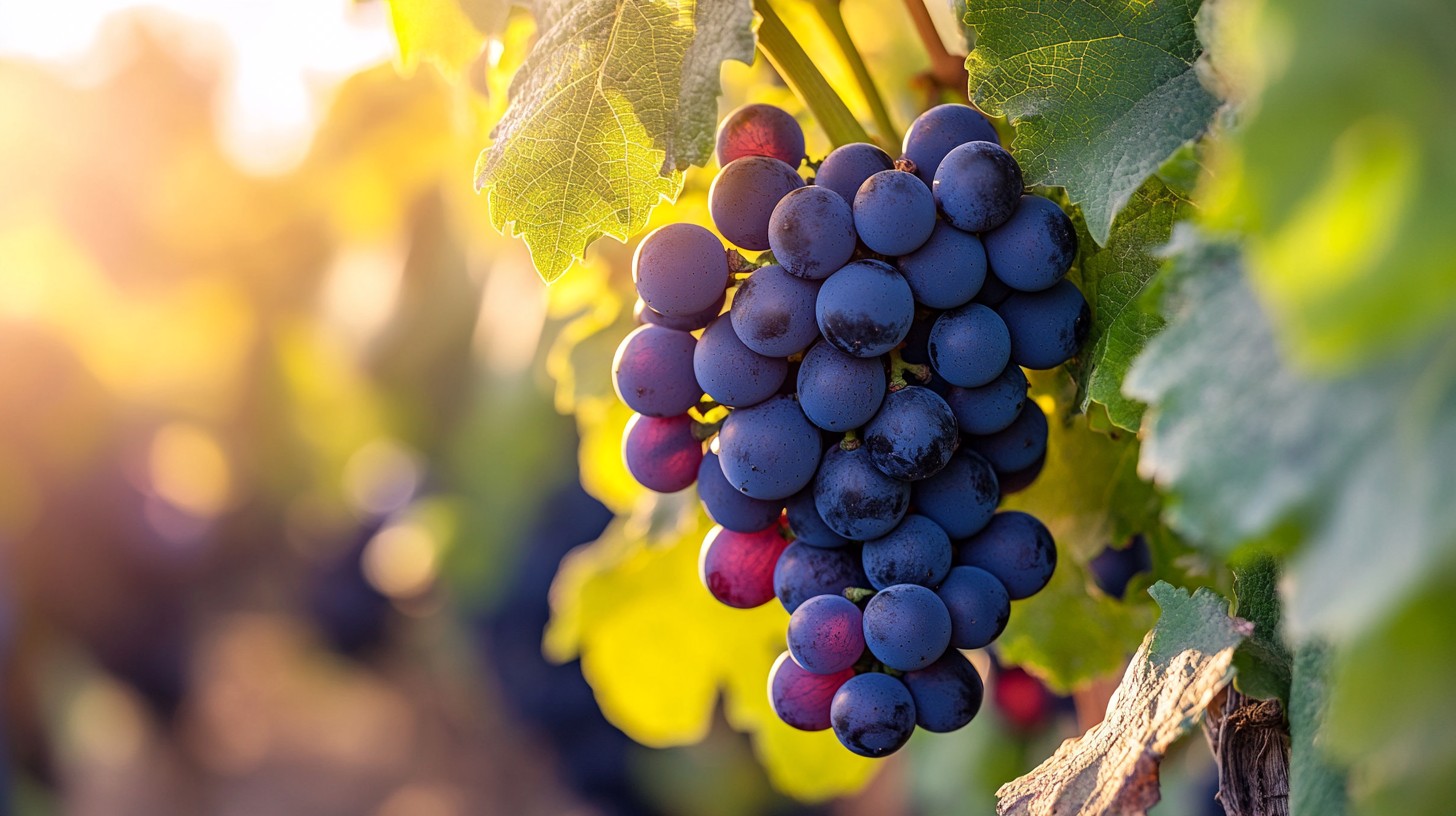
Grapes
Learn how to grow grapes in Dutch gardens. Receive extensive tips for soil preparation, sowing and planting methods, maintenance and harvesting for a bountiful grape harvest.
With the right preparation and care you can grow delicious grapes in the Dutch climate. Learn how to improve the soil, choose the right location and prune the vines properly for healthy growth and a rich harvest. Discover practical tips for planting, fertilizing and protecting against diseases so that you can enjoy full bunches of juicy, sweet grapes from your own garden every year.
Preparation and cultivation
Soil and location
For grapes, choose a sunny, sheltered spot where the vines receive at least six hours of direct sunlight per day. The soil must be well-drained, preferably slightly calcareous and not too wet. Work compost or well-rotted manure into the soil in autumn or early spring to improve the structure. Avoid places with cold winds or frost. A south or southwest-facing wall helps retain heat, which promotes grape ripening and reduces mold problems.
Cuttings and young plants
You can easily propagate grapes using cuttings from healthy, one-year-old shoots. In winter, cut cuttings of about 25 centimeters with three buds and stick them in pots with airy potting soil. Keep the soil slightly moist and place the pots in a sheltered, frost-free spot. In the spring, roots and new shoots develop. As soon as the young plants are strong enough, they can be planted in the open ground in their final location.
Plants and initial care
Plant grapes in early spring once the soil has warmed. Dig a large planting hole and mix some compost into the excavated soil. Place the plant a little deeper than it was in the pot and water generously. Guide the young vines along a rack or wire so that they can climb well. Remove most of the flower clusters in the first year so that the plant focuses its energy on root growth. Regular watering and keeping weed-free promotes a strong start.
Planting and care
Plant out in open ground
Plant grapes in the spring once the chance of frost has passed and the soil has warmed. Choose a sunny, sheltered spot against a south-facing wall or fence so that the vines receive sufficient warmth. Dig a large planting hole, mix compost with the excavated soil and place the plant a little deeper than it was in the pot. Water generously after planting and provide a sturdy support or wire structure along which the young shoots can grow.
Care during growth
Keep the soil slightly moist but not wet in the first months, as grapes do not tolerate wet feet for long periods of time. Remove weeds around the trunk to prevent competition and mulch with straw or wood chips to retain moisture. Provide a moderate dose of organic fertilizer in the spring and prune excess shoots to direct growth. Check regularly for aphids and mildew and remove affected leaves in a timely manner.
Pruning and tying up
Good pruning determines the quality of the harvest. In winter, prune the main vines back to a few eyes so that the plant produces strong new shoots in the spring. Tie these young shoots horizontally or diagonally to maintain an open structure and to allow sufficient light and air between the bunches. In summer, remove excess leaves around the grape bunches so that the sun can ripen the fruits properly and mold has less chance.
Harvest and store
Determine the right harvest time
Grapes are ripe when the berries feel full and firm, have a deep colour and peel easily from the bunch. In the Netherlands, the harvest usually takes place between the end of August and the beginning of October, depending on the variety and the summer sun. Taste a few grapes to check if they are sweet enough, because they do not ripen further after picking. Harvest in dry weather to prevent mold formation and use sharp pruning shears to neatly cut the bunches without damaging the vines.
Pick and handle grapes carefully
When picking, use a basket or container with a soft bottom so that the grapes do not bruise. Place the bunches in one layer and avoid stacking. Remove damaged or moldy berries immediately to prevent spread. Preferably work in the morning when the temperature is still low, so that the grapes remain firm. Avoid washing before storage as moisture promotes mold growth. This way the bunches stay fresh longer and retain their natural shine and taste.
Storing and processing the harvest
Fresh grapes can be stored cool and dry for a few days, for example in the vegetable drawer of the refrigerator. For a longer shelf life, you can dry them into raisins or process them into juice, jelly or wine. Make sure the grapes are clean and undamaged before processing them. Freezing is also possible: remove the stems and place the berries loose on a baking tray before putting them in a bag. This way you can still enjoy the taste of your own harvest months later.
Grape plant Vitis vinifera 'Boskoop Glory'
Strong, frost-resistant grape plant that thrives in the Dutch climate. This variety produces medium-sized, dark blue grapes with a sweet taste and is ideal for pergolas or against a sunny wall. With sufficient sun and pruning, it produces a rich harvest every year and is suitable for both novice and experienced gardeners.
View productOrganic grape fertilizer with magnesium
Slow-acting, natural fertilizer specially developed for grape plants. The addition of magnesium prevents leaf yellowing and promotes a deep green leaf colour. This fertilizer stimulates healthy root development, strong growth and rich fruit set. Apply in early spring and after harvest for a permanently fertile soil.
View productGrape guide or wire tension system for climbing plants
Sturdy stainless system that supports grape vines and allows them to grow orderly. Properly guiding the tendrils creates an airy plant structure that helps prevent mold formation. Suitable for mounting against walls, fences or free-standing structures. Ideal for those who want to create a neat, productive grape wall in the garden.
View productRecipe inspiration

Grape jelly
This slightly tart, vibrant red jelly makes a lovely change from the usual jams
View recipe
Grape & rosemary jelly
Use a bumper crop of fruit in this sweet, fragrant preserve - it's good with meat and cheese or can be used in sauces and gravy
View recipe
Baked feta with sumac & grapes
A modern dinner party starter that’s great for a budget - salty feta, sweet grapes, tangy sumac and aniseed dill create contrasting yet complementary flavours
View recipe