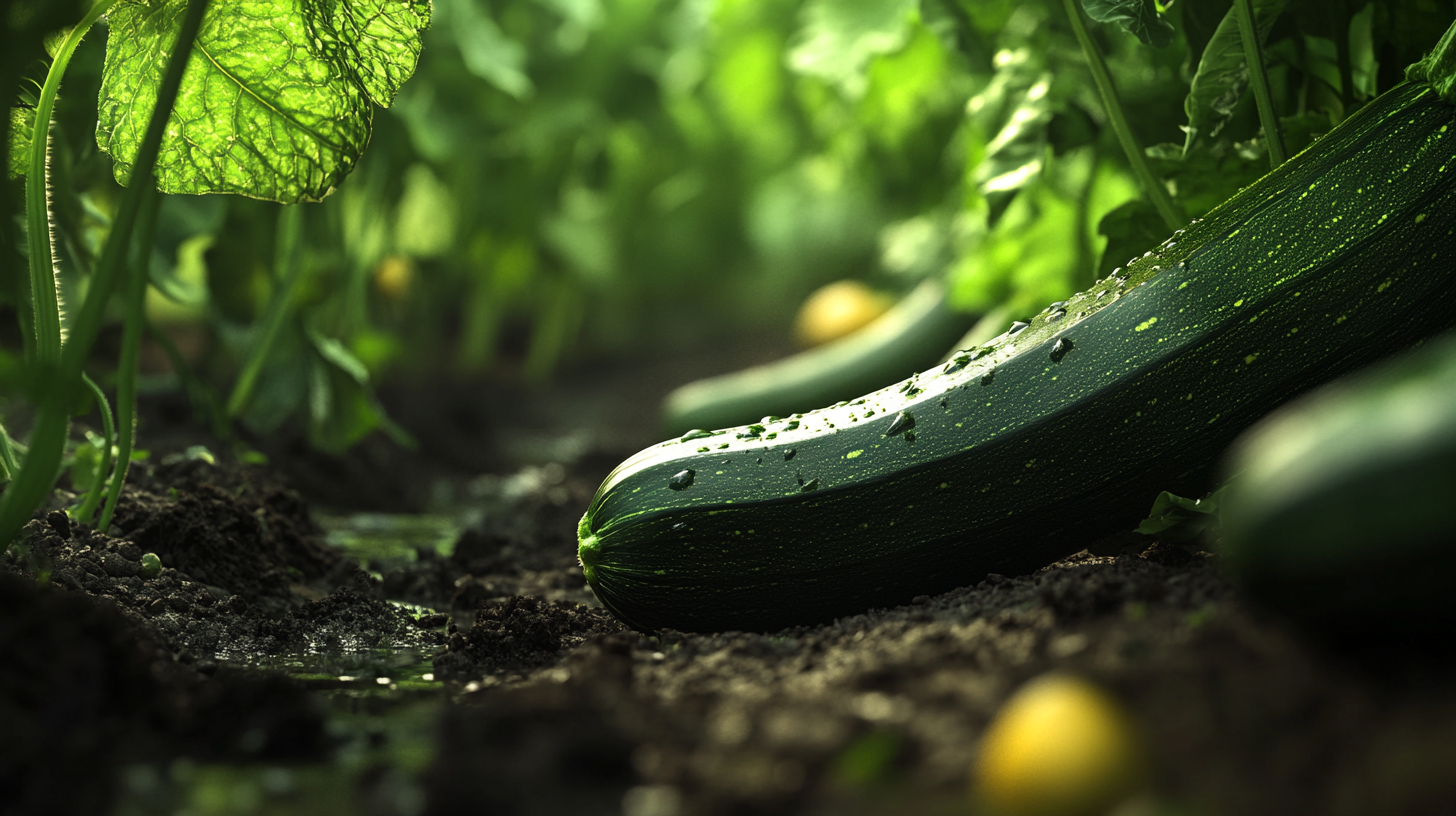
Courgette
Learn how to grow courgette successfully in the Netherlands with extensive tips on soil preparation, sowing, maintenance and harvest. Find out how to get the perfect courgette plant for a bountiful harvest.
Courgette are easy to grow and suit the Dutch climate perfectly. With a nutritious soil, sufficient sunlight and regular watering, the plants grow quickly and produce a rich harvest. By sowing timely, fertilizing well and picking the fruits young, you can enjoy a long harvest period and tasty courgettes from your own garden. In addition, regularly removing old leaves helps prevent mold and keep the plant healthy.
Preparation and cultivation
Soil preparation for strong plants
Courgette like a nutritious, airy soil that retains moisture well but is not too wet. Dig the soil deeply in the spring and mix in well-decomposed compost or old farmyard manure. This gives the young plants a rich start and the roots can develop well. Choose a sunny spot, sheltered from strong winds, and check that the soil temperature is above 12 degrees in May before sowing or transplanting.
Sowing and growing courgette plants
Sow courgette seeds indoors from mid-April in pots with sowing soil and keep them warm and light. As soon as the seedlings have two real leaves, you can harden them off by putting them outside during the day. Only plant them out when there is no longer a chance of night frost, usually at the end of May. When planting out, provide sufficient space, about one meter between the plants, so that they can spread well and continue to grow airily.
Care during growth
After planting out, regular watering is important, especially in dry weather. Water at the base of the plant to prevent mold on the leaves. A mulch layer of straw or compost helps retain moisture and suppress weeds. Check for snails weekly and remove damaged leaves. Feeding the plants well with compost tea or organic fertilizer will keep them vigorous and produce an abundance of healthy courgette.
Planting and care
When to plant courgette
Only place courgette plants outside once the risk of night frost has passed, usually mid-May. Choose a sunny, sheltered spot with nutritious, well-drained soil. Plant the young plants about half a meter apart so that they have enough space to grow. Water generously immediately after planting and keep the soil moist for the first few weeks. A mulch of straw or compost helps retain moisture and suppress weeds, which promotes growth.
Care and watering
Courgette plants need a lot of water, especially during hot and dry periods. Preferably water at the base of the plant in the morning, so that the leaves remain dry and mold has less chance. Regularly remove yellowed leaves to improve air circulation. A weekly gift of liquid fertilizer or compost tea stimulates flowering and fruit set. Check for snails and remove them manually to avoid damage to young leaves.
Harvesting and maintenance after flowering
As soon as the first fruits appear, you can start harvesting them while they are still young and tender. Regular picking stimulates the plant to form new fruits. Don't let courgette get too big, because that slows down production. Keep the soil loose and feed weekly to support growth. Remove old leaves and check for mildew, especially in humid weather. This way the plant remains healthy and productive well into late summer.
Harvest and store
The right time to harvest
Courgette are tastiest when they are still young and tender, usually at a length of 15 to 20 centimeters. Check the plants daily in the summer as the fruits grow quickly. Use a sharp knife to cut off the courgette with a small piece of stem so as not to damage the plant. By picking regularly you stimulate the plant to form new fruits and you extend the harvest period well into September as long as the weather remains mild.
Storing fresh courgette
After harvesting, you can store courgettes for a few days in a cool, dry place, but not in the refrigerator because they quickly lose flavour and structure. If necessary, wrap them in paper to absorb moisture and prevent mold. For longer storage, you can cut courgette into cubes and freeze them after briefly blanching. This way you retain colour and nutritional value. Use frozen courgette especially in soups, sauces or stews for a summery taste in the winter.
Save seeds and surplus
If you have more courgette than you can use immediately, process them into chutney, soup or pickled slices in vinegar so that you can enjoy your harvest months later. For seed harvesting, allow some fruits to fully grow until they are yellow and hard, then remove the seeds and allow them to dry thoroughly. Store the dry seeds in a cool and dark place until next spring. This way you can grow strong plants from your own harvest next year, perfectly adapted to your garden.
Organic vegetable soil for courgette
Rich, airy potting soil with extra compost and organic nutrition that supports the rapid growth of courgette plants. This soil improves the structure of sandy and clay soil, retains moisture well and stimulates active soil life. Ideal for open ground or large pots and ensures good water management and strong root development in the Dutch climate.
View productCourgette seeds mix (green and yellow)
A selection of reliable courgette varieties that perform well in Dutch summers. The mix contains both green and yellow variants for variation in the kitchen garden and a longer harvest period. Suitable for sowing from April under glass or directly outside after mid-May, with strong plants that produce many fruits.
View productDrip irrigation set for kitchen garden beds
Handy system to water courgette plants evenly without waste. The drip hose keeps the soil moist, prevents mold formation on leaves and saves time during dry periods. Perfect for use in raised containers or open ground and easy to connect to a standard garden hose or rain barrel.
View productRecipe inspiration

Slow-cooked courgette pasta
Transform a glut of courgettes into a silky pasta sauce and top with zesty breadcrumbs. It's a wonderful way to make the most of homegrown courgettes
View recipe
Creamy courgette & bacon pasta
A quick and creamy carbonara-style tagliatelle that showcases delicious courgettes contrasted with cream and pancetta
View recipe