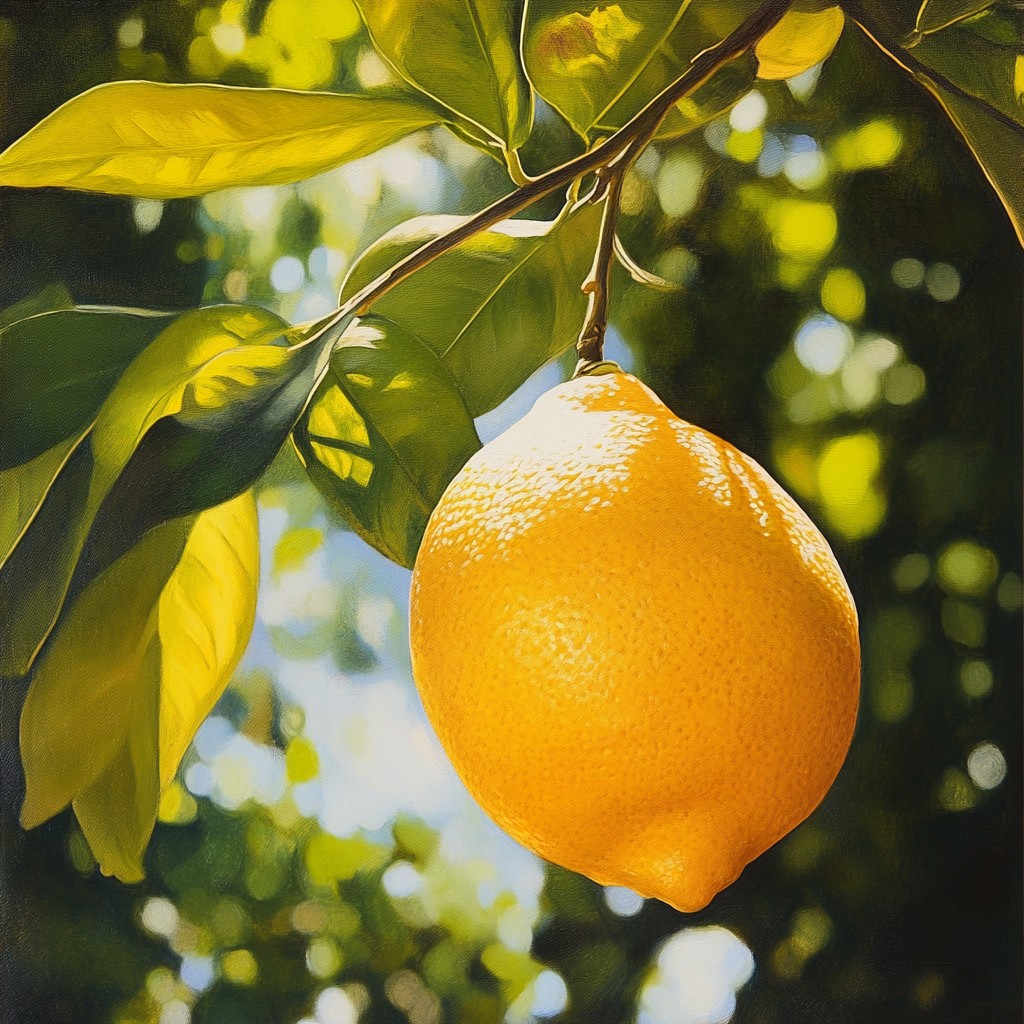
Lemon
Learn all about growing healthy and tasty lemons in your own garden or greenhouse. Receive essential tips on soil preparation, care and harvesting so you can always enjoy fresh citrus fruits.
Lemons bring a touch of Mediterranean freshness to any Dutch garden or greenhouse. With the right care, sufficient light and a well-drained soil, you can enjoy healthy, juicy fruits all year round. Learn how to protect the plant against cold, optimally fertilize and prune at the right time for a rich harvest full of aroma and flavour, so that you can taste a hint of summer even in our changeable climate.
Preparation and cultivation
Soil and location
Lemon plants like airy, well-drained soil with a slightly acidic pH. Mix potting soil with some coarse sand or perlite to prevent waterlogging. Choose a sunny, sheltered spot where the plant receives at least six hours of direct sunlight. In the open ground, a warm south-facing wall is ideal, while lemons grown in pots can easily be brought indoors in the cold. A good start with the right soil structure and location determines the health and fruit set of your lemon.
Sowing and cuttings
You can grow lemons from seed or cuttings, but cuttings give faster results and retain the properties of the mother plant. Use semi-woody cuttings of about ten centimeters and stick them in moist cutting soil. Keep the temperature around 20 degrees and cover with plastic to keep humidity high. As soon as the roots form, you can repot the young plants in a larger pot with citrus soil. Patience and warmth are the key to success.
Care of young plants
Young lemon plants need regular water, but cannot tolerate wet feet. Only water when the top layer of the soil has dried slightly. Place the plants in a bright spot, but protect them from bright afternoon sun. From spring onwards you can provide a light citrus fertilizer weekly to stimulate growth. Check regularly for aphids and spider mites, especially when growing indoors. With consistent care, the young lemon develops into a strong, productive plant.
Planting and care
Plant out in a pot or open ground
In the Netherlands, lemon plants are best planted in a large pot with good drainage, so that they can be brought indoors during the winter. Use an airy mixture of potting soil and coarse sand or perlite. Place the plant in a sunny, sheltered spot, for example against a south wall. Planting in open ground can only be done in very mild regions, provided the roots are well protected from frost. After planting out, water generously and keep the soil slightly moist but never soggy.
Watering and fertilizing
Lemons like regular care with water and food. Water weekly during the growth period from March to September so that the root ball does not dry out. Allow the top layer to dry slightly between waterings. Add liquid citrus fertilizer once every two weeks to stimulate fruit set. In winter, water less and do not fertilize. Use rainwater if possible, because tap water is often too rich in lime. Check regularly for yellow leaves as a sign of nutritional deficiency.
Pruning and winter protection
Prune lemon plants in early spring to maintain a compact shape and encourage airy foliage. Remove dead or crossing branches and cut back long shoots to just above a leaf axil. In autumn, bring the plant indoors or protect it with fleece cloth and bubble wrap when the temperature drops below 5 degrees. Place indoors in a light, cool place and water sparingly. Check for spider mites or aphids, as dry air can promote infestations.
Harvest and store
When lemons are ready for harvesting
Lemons are ready to harvest when they are completely yellow and firm to the touch, but still slightly shiny. In the Dutch climate they often ripen in late autumn or early winter, especially when grown in a greenhouse or on a sunny windowsill. Carefully twist the fruit from the branch to avoid damage. Leave unripe green lemons hanging until they gain more colour, because once picked they hardly ripen. Check regularly, because not all fruits ripen at the same time.
Storing lemons and extending their shelf life
Store harvested lemons in a cool, dry place, such as an unheated utility room or cellar. They will keep well in the refrigerator for up to several weeks, provided they do not become soggy. If necessary, wrap each fruit in paper to prevent mold. For longer storage, you can freeze lemon juice in ice cube trays or dry the peel for use in dishes. Avoid direct sunlight, as this accelerates dehydration and loss of taste.
Processing lemons after harvest
Once picked, you can use lemons in countless ways: fresh juice for dressings, zest for baked goods or slices in tea. In the Netherlands it is useful to process surpluses immediately, because humidity sometimes accelerates spoilage. For example, make lemon oil or preserve wedges in salt or sugar. This way you can enjoy the fresh taste of your own harvest for months, even when the plant is dormant.
Citrus pot with drainage holes
A spacious terracotta pot with good drainage is ideal for lemon trees in the Dutch climate. The pot keeps the roots warm, prevents waterlogging and makes it easy to move the plant indoors in winter. Choose a pot with a saucer to catch excess water and check drainage regularly for healthy root growth.
View productCitrus fertilizer with magnesium and iron
Specially formulated fertilizer for lemon and other citrus plants, rich in magnesium and iron for deep green leaves and healthy fruit formation. Use from early spring to late summer for optimal growth and flowering, even when grown in pots or greenhouses. Repeat fertilization every few weeks for even nutrition.
View productWinter cover for container plants
A breathable winter cover protects lemon trees against frost and cold wind. The cover retains heat but prevents mold formation through sufficient ventilation. Ideal for container plants placed outside during cold nights or longer periods of frost, and easy to attach with a drawstring or zipper.
View productRecipe inspiration

The ultimate makeover: Lemon tart
Enjoy an incredible half-fat version of this classic dessert, which tastes every bit as good as the original
View recipe
Leek, goat’s cheese, walnut & lemon tart
A no-fuss open puff pastry pie that makes a great vegetarian main course or quick lunchtime treat
View recipe
Lemon tart with summer berries
A zingy lemon tart from Mr Ramsay. Gordon's version of the classic French Tarte au citron is well worth the effort
View recipe