Broccoli
Learn how to grow broccoli successfully with the right sowing and soil techniques for a healthy harvest of green florets.
Growing broccoli in the Dutch climate requires nutritious soil, sufficient moisture and a good sowing time. With the right care you will develop sturdy plants that are rich in flavour and nutrients. Learn how to get a healthy harvest of green florets with smart soil preparation and regular care, so you can enjoy fresh broccoli from your own garden all season long.
Preparation and cultivation
Prepare soil for strong plants
Start with a well-drained, nutrient-rich soil that is rich in organic matter. Work compost or well-decomposed manure into the top layer in early spring to improve structure and replenish nutrients. Broccoli likes a slightly moist, calcareous soil with a pH around 6.5 to 7. Check the acidity and add some lime if necessary. Loose soil promotes root growth and ensures that the plants are firmly anchored, which is important in windy weather.
Sowing and transplanting broccoli
Sow broccoli indoors or in a cold frame from late February to April. Use sowing soil and keep the temperature around 15 degrees for even germination. As soon as the seedlings have two true leaves, transplant them into separate pots so that the roots can develop properly. Allow the young plants to harden off gradually by placing them outside during the day. This way they get used to the outside temperature and are more resistant to cold and wind.
Planting out and early care
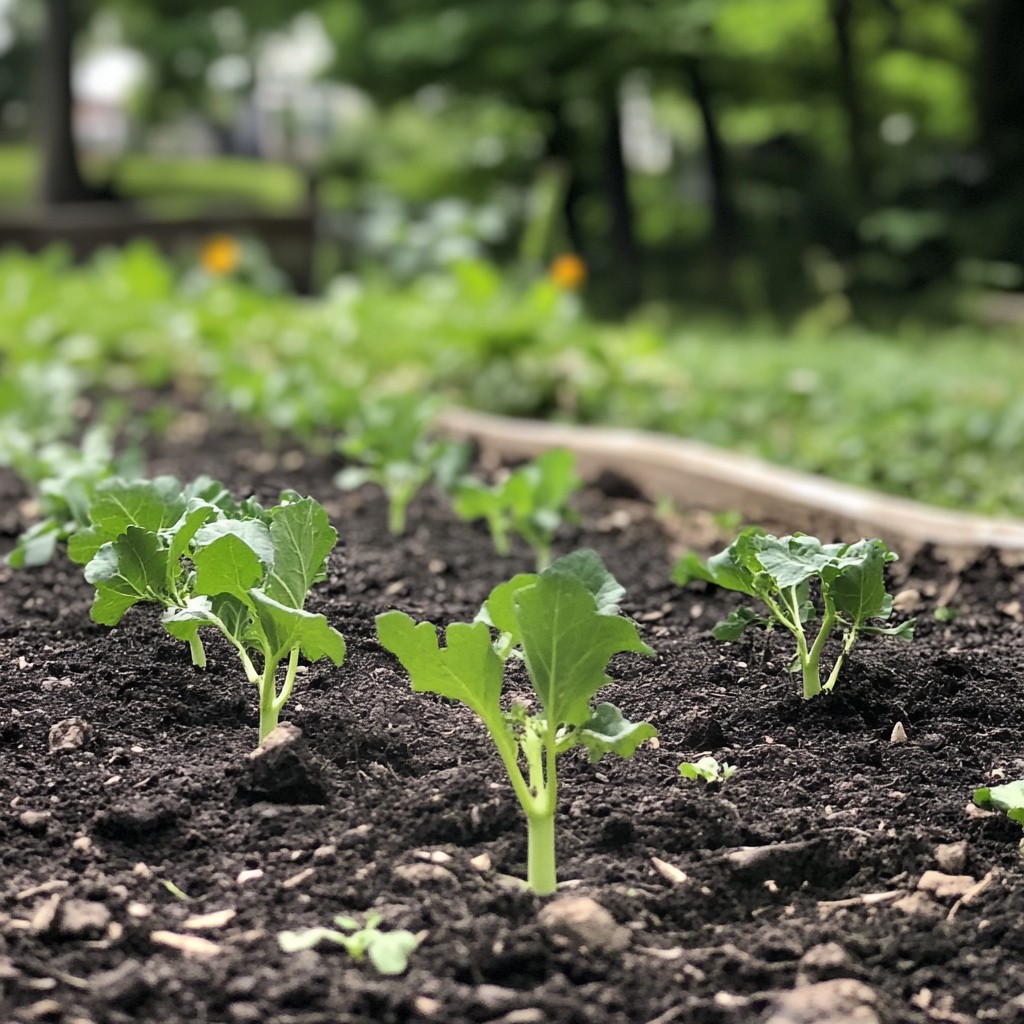
Plant out the young broccoli as soon as they are firm enough and there is little chance of night frost, usually in April or May. Maintain a planting distance of approximately 50 centimeters so that the cabbages have sufficient space. Water generously immediately after planting and cover the soil with mulch to retain moisture. Check regularly for snails and flea beetles, because young plants are vulnerable. Light fertilization after a few weeks stimulates healthy growth and strong stems.
Planting and care
When to plant broccoli
Plant out young broccoli plants as soon as they have 4 to 6 true leaves and the risk of night frost has passed, usually in April or May. Choose a cloudy day or plant in the evening to avoid burning. Maintain a planting distance of about 50 centimeters so that the cabbages have enough space to grow. Press the soil well around the roots and water immediately so that the plants become firmly established in their new location.
Care after planting out
After planting out, regular watering is important, especially in dry weather. Broccoli likes an evenly moist soil, so avoid drying out. Apply a layer of mulch to retain moisture and limit weed growth. Check for caterpillars and snails weekly and remove them manually. After a few weeks, fertilize lightly with organic fertilizer to stimulate growth and promote firm flower buds.
Encourage support and growth
When the plants grow larger, you can lightly earth them up to strengthen the stems and promote root growth. Protect young plants from strong winds with a low edge or net. Keep the soil airy by gently hoeing occasionally. Remove yellow leaves to prevent mold and make sure the plants get enough sun. With this care, broccoli develops into healthy, firm cabbages with compact florets.
Harvest and store
Determine the right harvest time
You harvest broccoli as soon as the middle flower bud is firm and closed, before the small buds start to open. In the Dutch climate this is usually about two to three months after planting. Cut the main stem just below the rose with a sharp knife. Leave the plant alone, because smaller side roses often form that you can pick later for a second, smaller harvest. This way you get the most out of every plant.
Storing broccoli after harvest
After harvesting, it is important to cool broccoli quickly to maintain freshness. Rinse the florets briefly, drain well and store them in the refrigerator in an open bag or container. This way the vegetable remains crispy and tasty for several days. If you want to enjoy them longer, blanch the florets briefly and freeze them. This way, broccoli retains its colour, structure and nutritional value for use in soups or stir-fries.
Freeze broccoli for later use
To freeze broccoli, cut the florets into bite-sized pieces and blanch them in boiling water for two to three minutes. Then cool them immediately in ice water and let them drain well. Divide the florets into portions and freeze them in airtight bags or containers. This way you can enjoy your own harvest months later. This method prevents the broccoli from becoming limp and optimally retains its flavour.
Organic broccoli seeds
Choose strong organic broccoli seeds that can withstand the Dutch climate and provide compact, sturdy florets. Sow them indoors early in the spring and later plant them outside in a sunny spot. This way you enjoy a healthy, tasty harvest with minimal risk of diseases and a reliable yield throughout the season.
View productOrganic vegetable fertilizer for cabbage crops
Use a slow-release organic fertilizer specially developed for brassicas such as broccoli. This fertilizer promotes even growth, sturdy plants and rich leaf development. Moreover, it improves the soil structure and stimulates soil life, which ensures sustainable, healthy cultivation and better absorption of nutrients.
View productInsect mesh against cabbage fly and caterpillars
Fine-mesh insect mesh effectively protects young broccoli plants against cabbage fly, caterpillars and other pest insects without the use of chemicals. It allows sufficient light, air and water to pass through, is easy to attach and can be reused for several seasons for environmentally friendly protection of your kitchen garden in the Dutch climate.
View productRecipe inspiration

Crusty pasta & broccoli bake
Try our vegetarian pasta bake for a super fast veggie dish that's on the table in 20 minutes. Penne and broccoli are baked until golden in a quick creamy sauce
View recipe
Broccoli baked potatoes
Put a new spin on the classic baked potato with this quick and tasty recipe
View recipe
Creamy cauliflower & broccoli bake
Instead of cauliflower cheese, try this alternative with broccoli, crème frâiche, mustard, white wine and nutmeg
View recipe