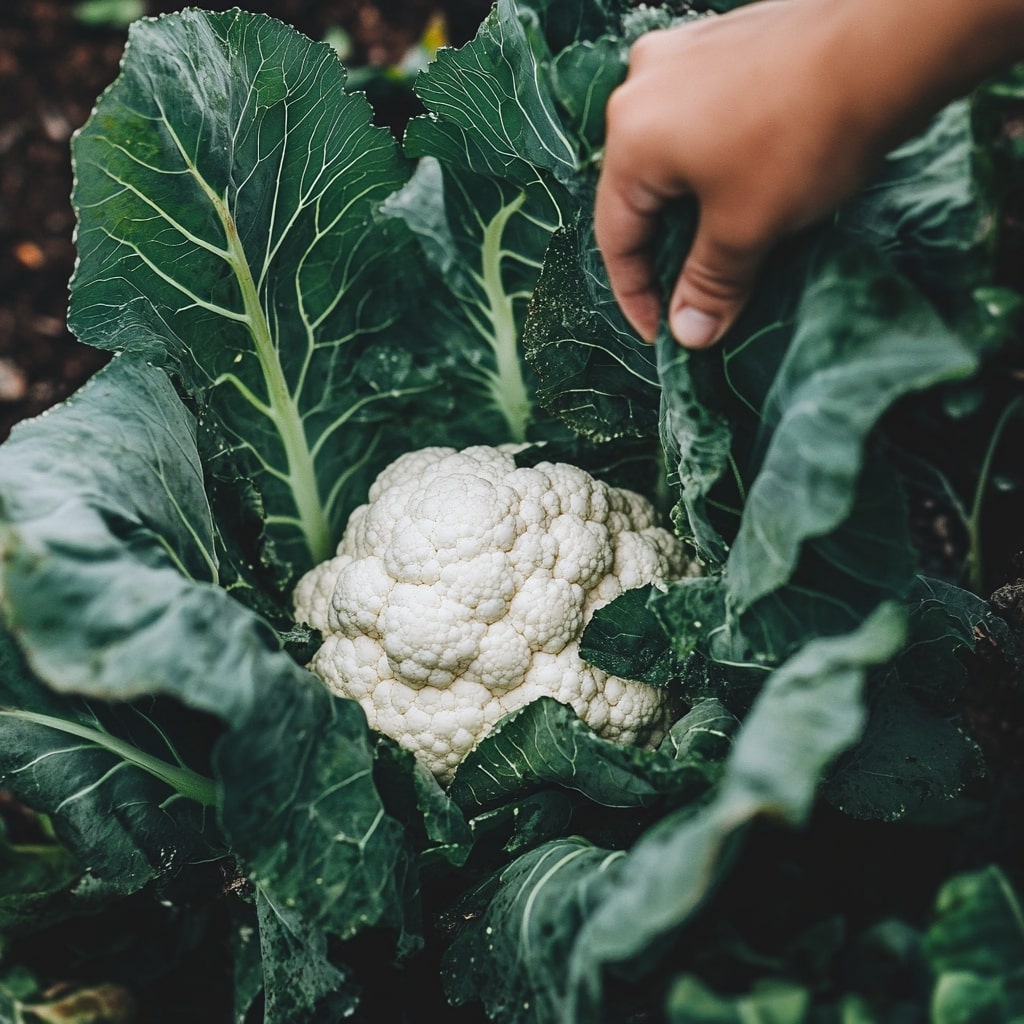
Cauliflower
Learn how to grow large, sturdy cauliflower bunches with proper soil preparation and care.
Growing cauliflower in the Netherlands requires careful planning, nutritious soil and protection from changeable weather; With attention to moisture, light and fertilization you can harvest sturdy, white cauliflowers that are full of flavour and stay fresh for a long time, while with smart crop rotation, natural pest control and timely covering of the rose you keep the soil healthy and achieve a rich, sustainable harvest every season.
Preparation and cultivation
Prepare the base for cauliflower
Start with a well-drained, nutrient-rich soil that is rich in organic matter. Dig the soil deeply in autumn or early spring and mix in well-decomposed compost or stable manure. Cauliflower likes a slightly moist, calcareous soil with a pH around 6.5 to 7. Check the acidity and add some lime if necessary to prevent clubroot. Make sure the soil is flat and crumbly before sowing or planting so that the young roots can develop quickly.
Sowing and growing young plants
Sow cauliflower indoors or in a cold frame from February to April, depending on the variety. Use sowing soil and keep the temperature around 15 degrees for even germination. Once the seedlings have two true leaves, transplant them into separate pots. Allow them to harden off gradually by putting them outside during the day and bringing them inside at night. This way they get used to the outdoor climate and you prevent growth stagnation after planting out.
Planting out and early care
Plant out the young cauliflower plants as soon as they are sturdy enough and the soil has warmed up, usually in April or May. Maintain a planting distance of approximately 50 centimeters so that the cabbages have sufficient space. Water generously immediately after planting and, if necessary, cover the plants with fleece cloth to protect against cold and insects. Continue weeding well during the first few weeks and ensure that the soil remains moist without watering down. This way the plant builds a strong root system for healthy growth.
Planting and care
Plant out at the right time
Plant out the young cauliflower plants as soon as they have four to six true leaves and the risk of night frost has passed, usually in April or May. Choose a cloudy day or plant in the late afternoon to avoid sunburn. Maintain a planting distance of about 50 centimeters so that the cabbages have enough space to develop. Press the soil firmly around the roots and water immediately so that the plants establish well in their new location.
Care during growth
Cauliflower needs an evenly moist soil, so water regularly, especially during drought. A mulch layer of straw or compost helps retain moisture and suppress weeds. Check for caterpillars and snails weekly and remove them manually or use environmentally friendly pest control. Give an extra dose of organic fertilizer halfway through growth to stimulate the development of the rose and keep the soil airy by careful hoeing.
Protection of the cauliflower rose
Once the cauliflower rose begins to form, you can fold and secure some of the outer leaves over the rose to prevent discoloration from sunlight. This ensures a beautiful white colour and a soft taste. Check regularly that the leaves remain in place and replace them if necessary. Protect the plants with an airy shelter during prolonged rain to prevent mold and harvest as soon as the rose is firm and closed, before it starts to crumble.
Harvest and store
When cauliflower is ready for harvesting
Harvest cauliflower when the rose is firm and white, usually 10 to 12 weeks after planting out. Do not wait too long, because in warm weather the rose can quickly burst open or turn yellow. Cut off the flower with a sharp knife, including some protective leaves. Preferably harvest in the morning when it is cool, so that the rose remains fresh. Check regularly as cauliflowers can go from perfect to overripe in a short time, especially in a warm late summer.
Storing cauliflower after harvest
After harvesting, cauliflower can be stored in the refrigerator for several days, wrapped in a slightly damp cloth to prevent it from drying out. Freezing is ideal for longer storage: blanch the florets briefly in boiling water, cool them quickly and freeze them in portions. This way you preserve taste and structure. Don't store cauliflower next to strong-smelling fruits or vegetables, because the rose easily absorbs odors. A cool, dark place helps to preserve the quality for a little longer.
Tips for shelf life and use
Preferably use cauliflower within a few days for the best taste and nutritional value. Cut away brown spots and rinse the florets briefly before preparation. If you like to plan ahead, you can also pickle cauliflower or process it into puree for the freezer. Avoid prolonged exposure to sunlight or moist air, as this accelerates deterioration. By drying the rose thoroughly after washing and packaging it airtight, it will stay fresh for longer. This way you can also enjoy your own harvest outside the season.
Dutch practice: Cauliflower
Monthly planning for Dutch conditions
Plan Cauliflower based on Dutch seasons and not on general international schedules. In most regions, soil development starts from February or March, with planting out after the last chance of night frost around mid-May. In coastal areas, the soil often warms up later due to wind, while sandy soils warm up faster than clay. Work with a fixed weekly check per month: soil temperature, precipitation, disease pressure and growth rate. This way you steer based on the real Dutch weather instead of just a calendar date.
Soil choice in the Netherlands: clay, sand and peat
Soil management in the Netherlands is decisive for Cauliflower. On clay, structural improvement with compost and mulch helps to prevent silting. In sandy soils, moisture retention is the priority with organic matter and gentle, deeper watering. On peat soil you pay extra attention to nutritional deficiencies and a stable pH. Choose one approach per bed and evaluate it after each rainy period, because Dutch showers can cause a lot of leaching or waterlogging in a short time. By making soil choices explicit, the chance of success visibly increases.
Limiting weather risks in practice
In the Netherlands, prolonged rain, sudden temperature changes and snail pressure are the most common risks. Therefore, work preventively: sufficient plant distance for air circulation, water at the base instead of over the leaves, and a quick inspection round after wet days. When in doubt, stick to a simple decision rule: first drainage and air, then nutrition, and only then action against pests. This prevents overcorrection and makes Cauliflower more consistent throughout the season, even in changeable years.
Organic cauliflower vegetable seeds
Choose strong, organic cauliflower seeds that can withstand the Dutch climate and provide compact, white roses. Sow indoors in March or directly outdoors from April for a healthy start to your cultivation. Water regularly, keep the soil moist and fertilize lightly for even growth and firm heads that yield well in summer.
View productNutritious kitchen garden soil with compost
Use light, well-drained soil enriched with compost to stimulate root growth and provide the cauliflower with sufficient nutrients. This soil retains moisture but prevents waterlogging, ideal for raised containers or open field cultivation in the Dutch climate. Work in some extra compost annually for continued fertility.
View productInsect mesh or fleece cloth for cabbage crops
Protect young cauliflower plants against cabbage fly, caterpillars and other pests with fine-mesh insect screen or fleece cloth. It keeps insects out while allowing air, light and moisture to pass through, ensuring healthy growth without chemical pesticides. Stretch the cloth loosely over arches so that the plants have enough room to grow.
View productRecipe inspiration

Cauliflower baked rice
Enjoy this easy rice dish for a flavour-packed veggie main or serve alongside grilled meats, such as lamb chops or fish. It will be on the table in an hour
View recipe
Baked cauliflower pizzaiola
There’s no need to make a tomato sauce for this Italian-style vegetarian one-pot – the oven will do the work for you
View recipe
Cauliflower cheese
Pop this classic side dish in the oven when you take your roast chicken out to rest, so there's no hot shelf juggling
View recipe