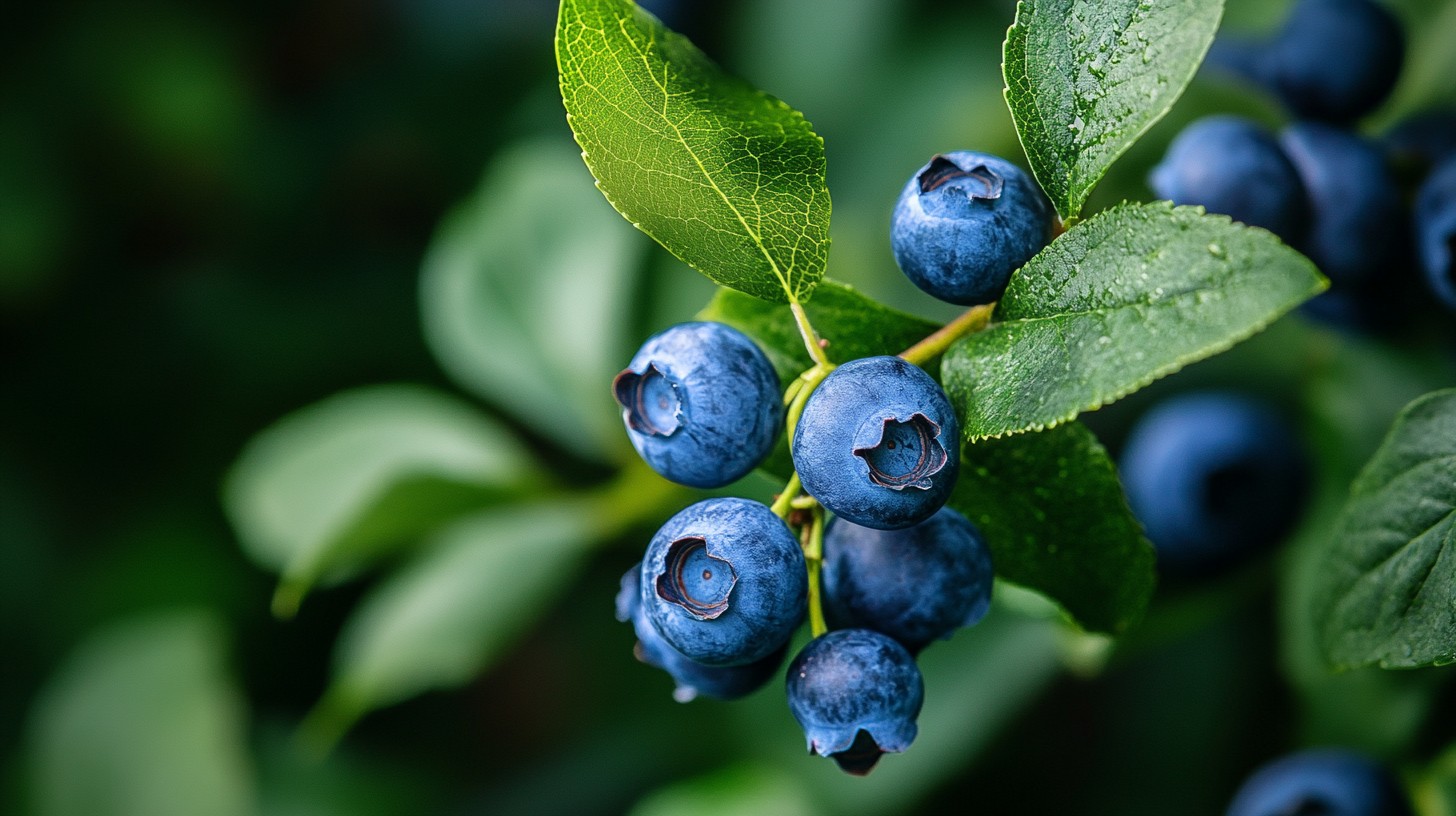
Blueberries
Discover how to grow healthy, juicy blueberries in Dutch gardens. Learn all about ideal soil preparation, sowing and planting methods, maintenance and harvesting for a bountiful harvest.
Blueberries are not only delicious and healthy, but also surprisingly easy to grow in the Dutch garden. With the right acidity, sufficient sun and a sheltered spot, the shrubs develop into strong plants that provide an abundance of juicy berries year after year. Learn how to improve the soil, limit weeds and protect the shrubs from frost and birds for a sustainable harvest.
Preparation and cultivation
Soil preparation for acid-loving shrubs
Blueberries thrive best in acidic, humus-rich soil with a pH between 4.0 and 5.5. Mix peat, coarse pine needles or leaf soil into the top layer to reduce the acidity and keep the structure airy. Avoid calcareous soil and ensure well-drained soil to prevent root rot. Work in compost in autumn or early spring and remove weeds thoroughly so that young roots can develop undisturbed. A mulch of pine straw helps retain moisture and limits weed growth.
Correct location and planting
Choose a sunny, sheltered spot where the shrubs receive at least six hours of sun per day. Plant blueberries in early spring or autumn, with sufficient distance between the plants so that air can circulate properly. Preferably use rainwater for watering, because tap water often contains too much lime. Plant the shrubs a little deeper than they were in the pot and press the soil firmly. After planting, water generously and apply a layer of organic matter to prevent drying out.
Cultivation and care of young plants
During the first growing seasons, regular care is crucial. Keep the soil moist but not wet and remove blossoms in the first year so the plant puts energy into root growth. Fertilize in spring with a fertilizer for acid-loving plants and repeat lightly in summer. Check for weeds and remove them by hand to prevent root damage. Protect young shrubs against late night frost with fleece cloth and provide extra water during dry periods for a healthy start.
Planting and care
Planting in acidic soil
Plant blueberries in spring or early autumn to allow the roots to become established before winter. Use a mixture of peat, coarse sand and softwood compost to maintain acidity around pH 4.5-5.5. Space the shrubs at least three feet apart for adequate air circulation and growth. Press the soil lightly and water generously with rainwater to prevent limescale accumulation. A mulch of pine needles helps retain moisture and suppress weeds.
Care during the growing season
Keep the soil consistently moist but not soggy, especially in dry summers. Preferably give rainwater and avoid tap water with a lot of lime. Remove weeds carefully so as not to damage the superficial roots. In the spring you can give a light dose of organic fertilizer for acid-loving plants. Check regularly for aphids and bird damage and protect the bushes with nets as soon as the berries start to colour.
Pruning and maintenance for healthy shrubs
Prune blueberries annually in late winter or early spring, before the buds emerge. Remove old, woody branches, leaving three to five strong shoots per shrub. This promotes air circulation and encourages new growth. Cut away weak or crossing branches to prevent fungal diseases. After pruning you can renew the mulch layer and check the acidity. This way the bushes remain vital and deliver a rich harvest for years to come.
Harvest and store
When and how to harvest
Blueberries are ripe when they are completely blue and release easily with a light twist of the bunch. In the Netherlands, the harvest usually takes place between July and August, depending on the variety and the weather. Pick in dry weather to prevent mold formation and use a shallow container so that the berries do not bruise. Check the bushes every few days as not all the berries ripen at the same time. By picking regularly you also stimulate the production of new fruits.
Store and keep fresh
After picking, it is best to store blueberries in the refrigerator, unwashed and in an air-permeable container. They will keep this way for up to a week. Only wash them just before use to prevent mold. If you want to enjoy your harvest longer, freeze the berries separately on a baking tray and then put them in a freezer bag. This means you can use them for months in smoothies, pastries or jam without them losing their flavour.
Processing and preserving
Blueberries are ideal for processing into jam, juice or compote. Heat the berries briefly with a little sugar or lemon juice to preserve the flavour and extend the shelf life. Drying in an oven at a low temperature is also a good way to preserve them. Dried berries are ideal as a healthy snack or addition to muesli. By processing part of your harvest, you make optimal use of the abundance and prevent waste.
Acidic potting soil for blueberries
This specially formulated potting soil has a low pH value and is ideal for acid-loving plants such as blueberries, rhododendrons and hydrangeas. The mix promotes strong root development, provides an airy structure and improves nutrient absorption, which is especially useful in Dutch gardens with calcareous soil.
View productBlueberry fertilizer with slow release
This organic fertilizer gradually releases nutrients, helping blueberry bushes grow evenly and develop firm, flavorful fruit. The formula supports the correct acidity of the soil, prevents deficiencies during the growing season and is suitable for use in pots or open ground in the Dutch climate.
View productBird net for berry bushes
A durable, fine-mesh net that prevents birds from eating ripe berries without damaging the plants. The net is easy to attach over bushes or a frame, reusable and resistant to rain and wind. Ideal for limiting crop loss in the Dutch garden during the summer months.
View productRecipe inspiration

Easy blueberry muffins
Follow this easy blueberry muffins recipe for a fun weekend bake. You're just a few simple steps away from bite-sized blueberry treats
View recipe
Banana blueberry muffins
These low-fat banana and blueberry muffins make a great breakfast option. Store in an airtight container for up to three days, or freeze for up to a month
View recipe
The ultimate makeover: Blueberry muffins
We've created a deliciously light version of this classic muffin that contains virtually no saturated fat
View recipe