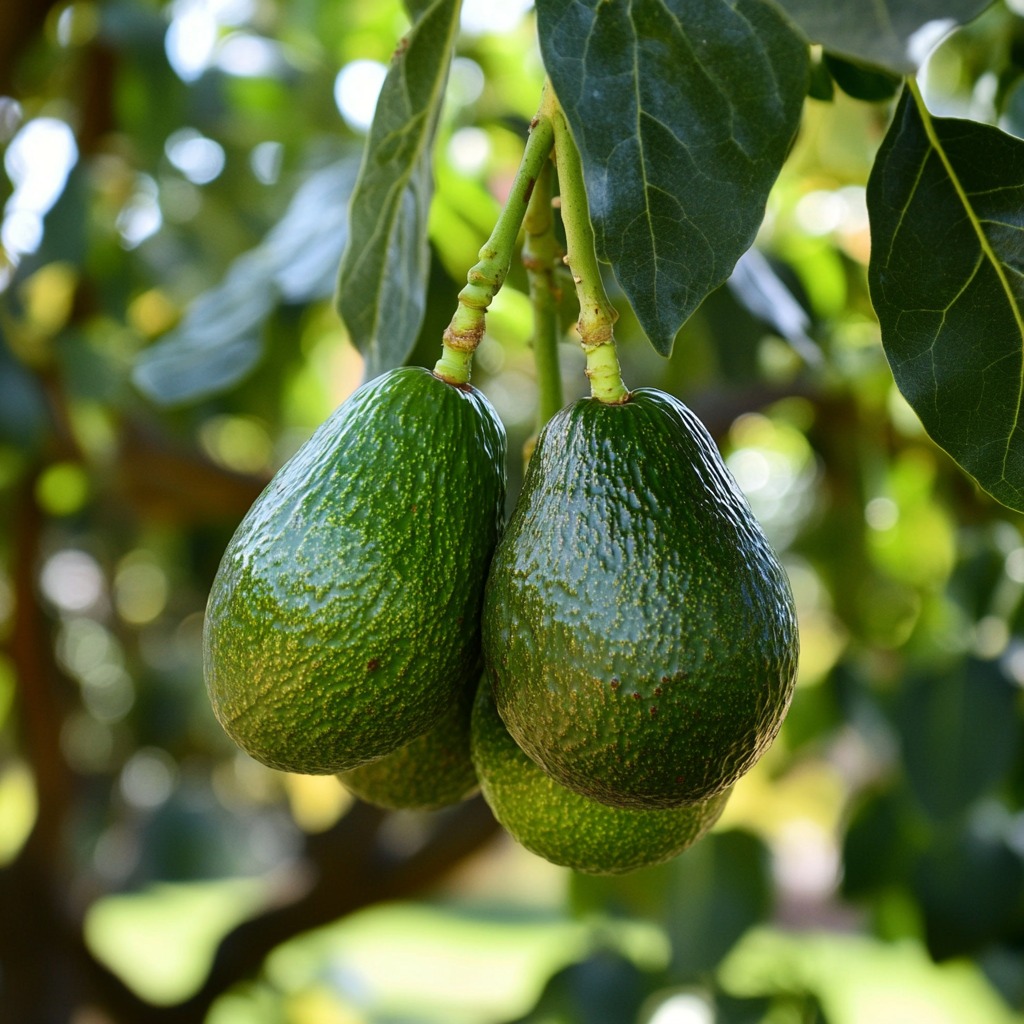
Avocado
Discover how to easily germinate an avocado seed in the Netherlands and enjoy a beautiful plant. With these tips you can grow your own avocado!
With a little patience and warmth, you can easily germinate an avocado seed into a graceful houseplant in the Netherlands. This green luxury brings a touch of tropical atmosphere to your home and shows how fun it is to grow something yourself. With the right care, sufficient light and regular water, your seed will grow into a strong plant that will provide years of pleasure and fresh green leaves.
Preparation and cultivation
Selecting the right wick
Choose a ripe avocado whose pit is undamaged and firm. Carefully rinse the pit and remove any leftover pulp to prevent mold. Allow the wick to dry at room temperature for a day before continuing. In the Netherlands it is important to find a warm spot, for example on the windowsill above the heater. A healthy seed with a smooth, intact outer layer increases the chance of successful germination and forms the basis for a strong young plant.
Germinate in water
Insert three toothpicks into the wick so that it can hang halfway in a glass of water, with the wide end down. Change the water every few days to prevent mold and keep the glass in a bright, warm place. After a few weeks the kernel will burst open and a root will appear. As soon as the first shoot becomes visible, you can carefully transfer the seed to potting soil. Patience is essential, as the process can take six to ten weeks.
Transplanting and care
When the roots are firm and the shoot is a few centimeters high, plant the seed in a pot with airy, moist potting soil. Provide good drainage and water regularly, but avoid allowing the soil to become soggy. Place the young avocado in a bright place without drafts. In the Dutch spring and summer the plant can be left outside, but bring it inside in time at lower temperatures. Regular pruning encourages compact growth and strong branching.
Planting and care
When to plant out
Once the avocado seed has strong roots and a stem of about 15 centimeters, it is time to place it in potting soil. Use an airy mixture with some sand or perlite so that excess water can drain away properly. Place the pot in a bright spot, but not in direct sunlight. In spring or summer the temperature is ideal to allow the young plant to get used to its new environment. Water immediately after planting and keep the soil slightly moist.
Care at home
An avocado likes warmth and light, but avoid drafts and cold windowsills. Turn the pot occasionally so that the plant grows evenly. Water as soon as the top layer of soil feels dry, but do not leave water in the pot. During the growth period you can give some liquid houseplant food once a month. Remove yellow leaves to keep the plant healthy and prune the top lightly to encourage fuller growth.
Care in summer and winter
In summer, the avocado can be left outside in a sheltered spot with partial shade, but bring it inside as soon as the night temperature drops below 10 degrees. Indoors, it benefits from a constant temperature and sufficient humidity, for example by regular spraying. The plant grows slower in winter, so give less water and no fertilizer. Check for spider mites or aphids occasionally and keep the leaves free of dust for a healthy shine.
Harvest and store
When and how to harvest
An avocado plant growing indoors in the Netherlands will rarely bear fruit, but if you are lucky, wait until the fruit darkens in colour and yields slightly when pressed gently. Harvest with a sharp knife and let the avocado ripen for a few days at room temperature. Check regularly for softness without squeezing so that the peel is not damaged. You can recognize a ripe avocado by a subtle scent on the stem and a creamy texture when cut. This way you can enjoy your own carefully grown fruit.
Storing ripe avocados
Ripe avocados are best stored in the refrigerator to slow down the ripening process, but first allow them to fully ripen at room temperature. If you only want to keep half, leave the pit in the remaining part and cover the surface with foil or lemon juice to prevent discoloration. For longer storage, you can puree the pulp and freeze it in small portions. This way you always have a supply for smoothies or spreads without losing the taste.
Using leftovers and kernels
Don't just throw away the pit and peel, because they can still be useful. You can reuse the pit to grow a new plant, while the peel and leftovers are ideal for the compost heap. The pulp that is too ripe to eat can be used in a nourishing hair mask or facial pack. This way you use the whole fruit and contribute to less waste in the kitchen. A sustainable conclusion to your avocado project.
Avocado germination kit
Complete set with glass jar, wooden sticks and sturdy holder to keep an avocado pit hanging stably above water. Ideal for following germination step by step, closely observing root growth and getting young plants off to a healthy start. Perfect for use on a light windowsill in Dutch living rooms with a stable temperature and little draught.
View productOrganic potting soil for houseplants
Airy, well-draining potting soil with coconut fiber, compost and natural nutrients, specially developed for tropical house plants such as avocado. This mix promotes strong root growth, prevents wet feet and maintains optimal moisture balance in the Dutch indoor climate, where humidity and temperature often change between seasons.
View productPlant lamp with adjustable spectrum
Energy-efficient LED lamp with adjustable light intensity, timer function and full spectrum, ideal for providing young avocado plants with extra light during the dark winter months. The lamp stimulates compact growth, sturdy leaves and prevents weak stems due to a lack of sunlight in Dutch homes with short days.
View productRecipe inspiration

Spicy chicken & avocado wraps
Pan-fry lean chicken breast with lime, chilli and garlic, then pile onto seeded tortilla wraps. Cool before assembling if packing for lunch
View recipe
Tomato penne with avocado
Get all five of your 5-a-day in this mildly spiced, healthy pasta dish. It's rich in iron, fibre and vitamin C as well as being low-fat and low-calorie.
View recipe
Quinoa chilli with avocado & coriander
Pack in the nutrients with this meat-free chilli. It delivers five of your 5-a-day and is low in fat
View recipe