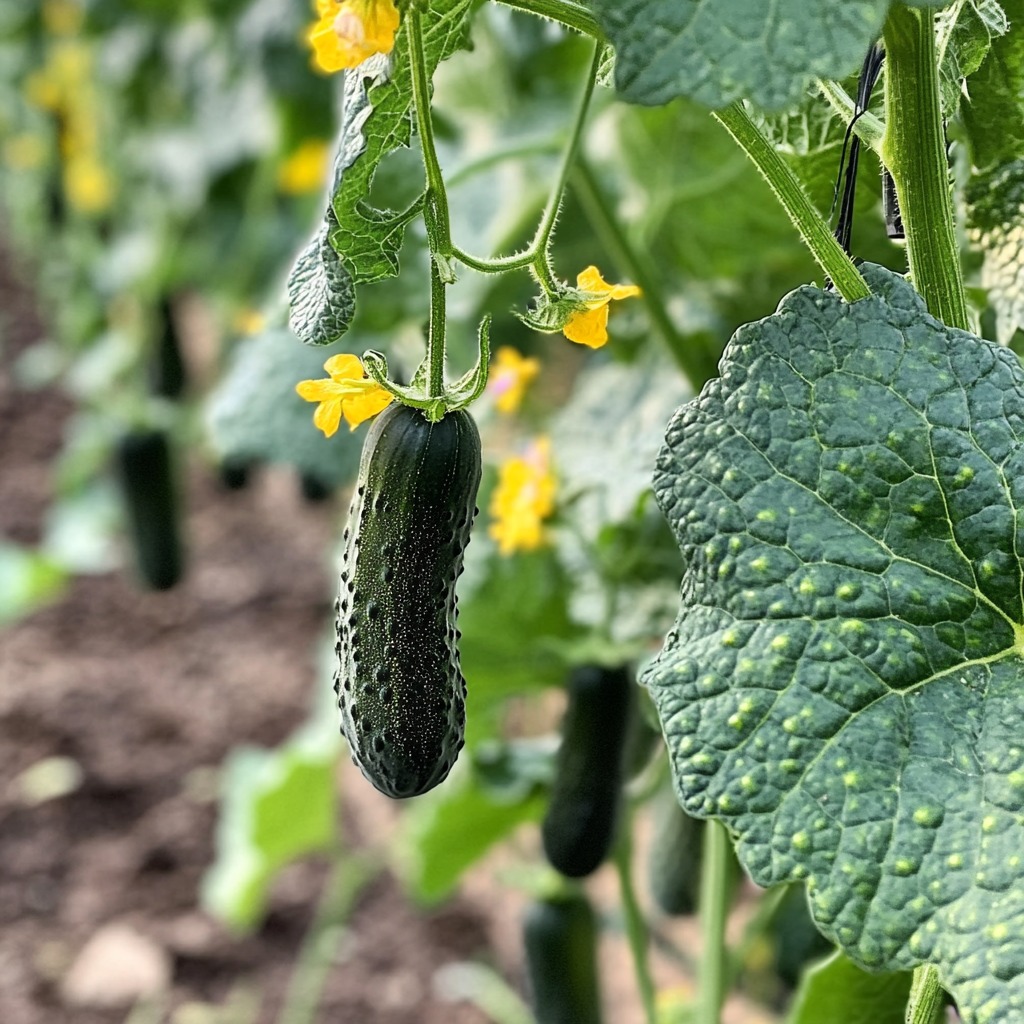
Pickles
Learn how to grow your own pickles for flavorful, crunchy pickles. Discover all the steps from sowing and caring to an abundant harvest in your own garden.
Growing your own pickles is easy and produces delicious, crunchy pickles. Sow them in the spring in a sunny, sheltered spot and water regularly to keep the soil moist. Support the vines with netting or stakes and remove weeds to promote air circulation. With some care, warmth and sun, the small fruits quickly grow into harvest-ready pickles that you can pickle for a fresh, homemade taste all year round.
Preparation and cultivation
Sow in spring
Start sowing gherkins in late April or early May, as soon as the soil has warmed to at least 15 degrees. Sow indoors for pots or directly outdoors under foil for extra warmth. Use light, nutritious potting soil and keep the seeds slightly moist. Plants grown indoors can be planted out after two to three weeks as soon as there is no longer a chance of night frost. Give them a sunny, sheltered spot so that the young plants take root quickly and grow vigorously.
Soil preparation and feeding
Gherkins like a loose, humus-rich soil that drains well but does not dry out. Work compost or well-rotted manure into the topsoil in early spring to enrich the soil. Avoid fresh manure as it can burn the roots. Check the pH value and aim for slightly acidic to neutral soil. Crush the soil and remove stones and weeds so that the young roots can develop easily. A good start in healthy soil promotes strong growth and a rich harvest.
Cultivation and hardening off
When the seedlings have some true leaves, they can be hardened off to get used to outdoor conditions. Place them outside in a sheltered spot during the day and bring them back inside in the evening for a week. This prevents growth stress when planting out. Then plant the gherkins 40 to 50 centimeters apart so that they have enough room to grow. Water immediately after planting and keep the soil moist. By slowly getting used to the sun and wind, the plants grow strong and resilient.
Planting and care
When to plant out
As soon as the young pickle plants have four to five true leaves and the night temperature remains above 12 degrees, they can go outside. Choose a sunny, sheltered spot and plant them about 40 centimeters apart. Do not plant too deep so that the stem does not rot. Water generously immediately after planting and keep the soil moist for the first few days. A straw mulch layer helps retain moisture and suppress weeds, which promotes growth.
Care during growth
Gherkins grow quickly and require regular watering, especially in warm and dry weather. It is better to water a lot once a week rather than a little often, so that the roots grow deeply. Remove weeds carefully so as not to damage the roots. Guide the vines along wire mesh or a rack to keep the fruits growing clean and straight. Check regularly for snails and aphids and remove affected leaves to prevent mold.
Fertilization and maintenance
During the growing season, gherkins need extra nutrition. Provide a liquid fertilizer based on potassium and nitrogen every two weeks to stimulate fruit set. Avoid over-fertilizing with nitrogen, because that produces many leaves and few fruits. Keep the soil airy by lightly hoeing occasionally. Remove old or diseased leaves to keep the plant healthy and improve air circulation so the pickles stay firm and flavorful.
Harvest and store
The right harvest time
Gherkins are ready to pick when they are firm to the touch and still small and fresh green, usually between five and four inches long. Harvest regularly, preferably every other day, so that the plant continues to produce new fruits. Use a sharp knife or carefully cut the pickles so as not to damage the tendrils. Don't let them get too big or they will lose their crispiness and flavour. Preferably harvest in the morning, when the fruits are cool and full of moisture, for best quality and shelf life.
Storing fresh pickles
Fresh pickles can be stored in the refrigerator for several days, wrapped in a slightly damp cloth or in a perforated bag. This way they stay firm and fresh. If you want to keep them longer, process them as soon as possible after harvest. Rinse the fruits, remove any spines and cut off the ends. By processing them immediately you retain the best taste and structure, ideal for preserving or fermenting in Dutch cuisine.
Preserving and preserving
To preserve pickles for the winter, you can pickle them in a vinegar mixture with herbs such as dill, mustard seeds and peppercorns. Bring the vinegar and spices to the boil, pour it hot over the clean jars with pickles and close immediately. Let the jars cool and store them in a cool, dark place. After a few weeks, the flavors are absorbed and you have delicious, crispy pickles that will keep for months, perfect for cold days.
Organic pickle seeds
Choose organic gherkin seeds that thrive in the Dutch climate. Sow them indoors in April and plant the young plants outside as soon as the nights are frost-free. Provide regular water and sufficient sunlight for strong plants with a rich harvest of crunchy gherkins that are ideal for pickling or eating fresh.
View productClimbing frame or plant net for pickles
A sturdy climbing frame or fine-mesh plant net supports the tendrils of gherkin plants and prevents the fruits from lying on the ground. This promotes air circulation, reduces mold formation and makes harvesting easier. Ideal for small gardens, raised beds or balconies where vertical growth saves space and encourages healthy plants.
View productWeck jars with rubber ring
Use sturdy glass preserving jars with rubber rings to safely preserve your harvested gherkins. They provide an airtight seal so that your pickles have a long shelf life and retain their fresh taste. Perfect for home-made canning recipes, as the jars are reusable and easy to sterilize for next season.
View productRecipe inspiration

Sausage, gherkin & pickled onion toad-in-the-hole
Sausages don't come much better than in toad-in-the-hole. In this easy version, they're served with gherkins and pickled onions for the ultimate comfort food
View recipe
Cheese & pickle scones
Indulge in our savoury scones as a snack or side to soups and salads. Cornichons, large pickles or cocktail gherkins will all work well here
View recipe
Pickled red cabbage
A colourful accompaniment to cheese or meat, this infused pickle can also be jarred and given as a gift
View recipe