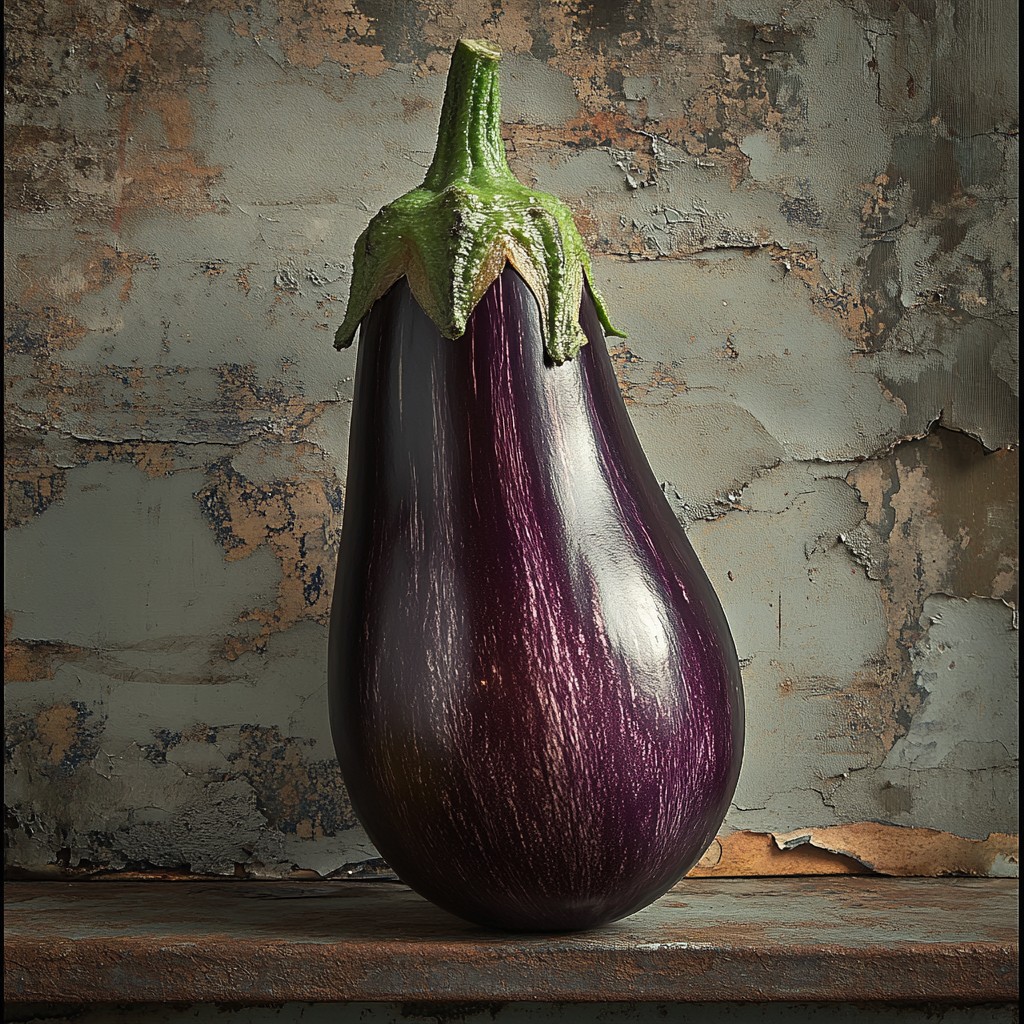
Aubergine
Learn how to grow aubergine successfully in the greenhouse with proper soil preparation and care for shiny, flavorful fruits.
Eggplants like warmth and shelter, which is why they look great in a Dutch greenhouse. With an airy, nutritious soil and regular watering, you will develop sturdy plants that bloom profusely and bear shiny fruits. By pruning, pruning and supporting the stems well, you promote growth and harvest tasty aubergines full of character and colour until late summer.
Preparation and cultivation
Sowing and germinating
Sow aubergine seeds indoors in February or March at a constant temperature of about 25 degrees. Use a seed tray with airy, moist sowing soil and cover the seeds lightly. As soon as the first germ leaves appear, water carefully with a plant sprayer to prevent dehydration. Place the container in a bright spot, but not in direct sunlight. After germination, the young plants can be transplanted into separate pots so that they develop strong roots before moving to the greenhouse.
Repot and harden off
When the seedlings have three to four true leaves, repot them in larger pots with nutritious potting soil. Water regularly, but avoid wet feet. From the end of April you can gradually accustom the plants to cooler conditions by placing them outside during the day or in an unheated greenhouse. This hardening off prevents growth stress when planting out. Make sure that the night temperature does not drop below 10 degrees, because eggplants are sensitive to cold.
Soil preparation in the greenhouse
Prepare the greenhouse soil well by loosening it deeply and enriching it with well-decomposed compost or old stable manure. Eggplants require an airy, humus-rich soil that retains heat and regulates moisture well. If necessary, work in some organic fertilizer granules for a slow feeding. Check the pH value; slightly acidic soil (pH 6 to 6.5) is ideal. Only place the plants in the greenhouse when the soil temperature is above 18 degrees, so that the roots can actively grow immediately.
Planting and care
Plant out in the greenhouse
Only set out young aubergine plants when the night temperature remains above 15 degrees and the greenhouse has warmed up properly. Plant them in a sunny spot with enough space between the plants so that air can circulate properly. Press the soil lightly around the root ball and water immediately to get the roots established. If necessary, place a stick or string to support the main stem, as eggplants can become heavy as the fruits grow.
Watering and feeding
Eggplants need an evenly moist soil, but cannot tolerate wet feet. It is better to give small amounts of water more often than a lot now and then, preferably in the morning. Add liquid tomato or vegetable fertilizer once every two weeks to stimulate flowering and fruit set. Make sure that the leaf does not get wet to prevent mold. A layer of compost or straw helps to retain moisture and suppress weeds.
Pruning and support
Remove the lower leaves once the plant is growing well to improve air circulation and prevent mold. Squeeze the top after the third or fourth bunch to send the energy to the fruits. Carefully tie the main stem and side branches to a stick or string so that they do not snap under the weight of the fruit. Check regularly for new shoots and remove those thieves to keep the plant organized and productive.
Harvest and store
When to harvest
Eggplants are ready for harvesting as soon as the skin shines deeply and just yields under light pressure, usually about 70 to 90 days after planting out. It is better to harvest a little too early than too late, because overripe fruits become bitter and lose their firm structure. Use a sharp knife or pruning shears to cut the fruit with a short stem so that the plant is not damaged and new flowers can develop for a longer harvest period.
Treat after harvest
Do not place the harvested eggplants in full sun or in the refrigerator, but store them in a cool, dry place of about 10 to 15 degrees. This way they retain their shine and taste for up to a week. Avoid humid conditions as this promotes mold formation. Check the fruits regularly and use specimens with soft spots directly in the kitchen so that nothing from your greenhouse harvest is lost.
Storage and processing
For longer storage, you can slice aubergines, blanch them briefly and freeze them or process them into stews and sauces that freeze well. Slices grilled in oil will keep for several days in the refrigerator. By processing the fruits in time, you get the full flavour of summer and can also enjoy your own greenhouse product in the autumn. Always use clean pots and containers to prevent spoilage.
Heated growing mat for aubergine seeds
A heated growing mat ensures a constant soil temperature, which significantly improves the germination of aubergine seeds in early spring. Due to the even heat development, the seedlings grow stronger and healthier, even on cold nights or changeable Dutch weather, and the risk of mold formation is reduced.
View productAiry organic potting soil for greenhouse vegetables
This organic potting soil has been specially developed for heat-loving greenhouse vegetables such as aubergine. The combination of coconut fiber, compost and organic fertilizers ensures an airy structure, good moisture regulation and rich soil life, which ensures that the roots develop vigorously and the plants are more resistant to drought and temperature fluctuations.
View productPlant supports with soft binding wire
Sturdy plant supports with soft binding wire provide reliable support to aubergine plants during growth and fruit set. They prevent heavy branches from breaking, keep the plants upright and improve air circulation in the greenhouse, which reduces the risk of diseases and visibly increases the quality of the fruits.
View productRecipe inspiration

Aubergine parmigiana lasagne
Combine two Italian classics - parmigiana and lasagne - in this veggie bake. It's ideal for batch cooking as you can freeze it before or after baking
View recipe
Aubergine parmigiana
Make this classic bake, also known as melanzane parmigiana, for guests. It's made with tomato, aubergine and vegetarian mozzarella, and garnished with parmesan-style cheese
View recipe
Lighter aubergine Parmigiana
We've baked the aubergines and used creamy ricotta in this healthy version of Parmigiana di melanzane - far lower in fat and calories than the original
View recipe