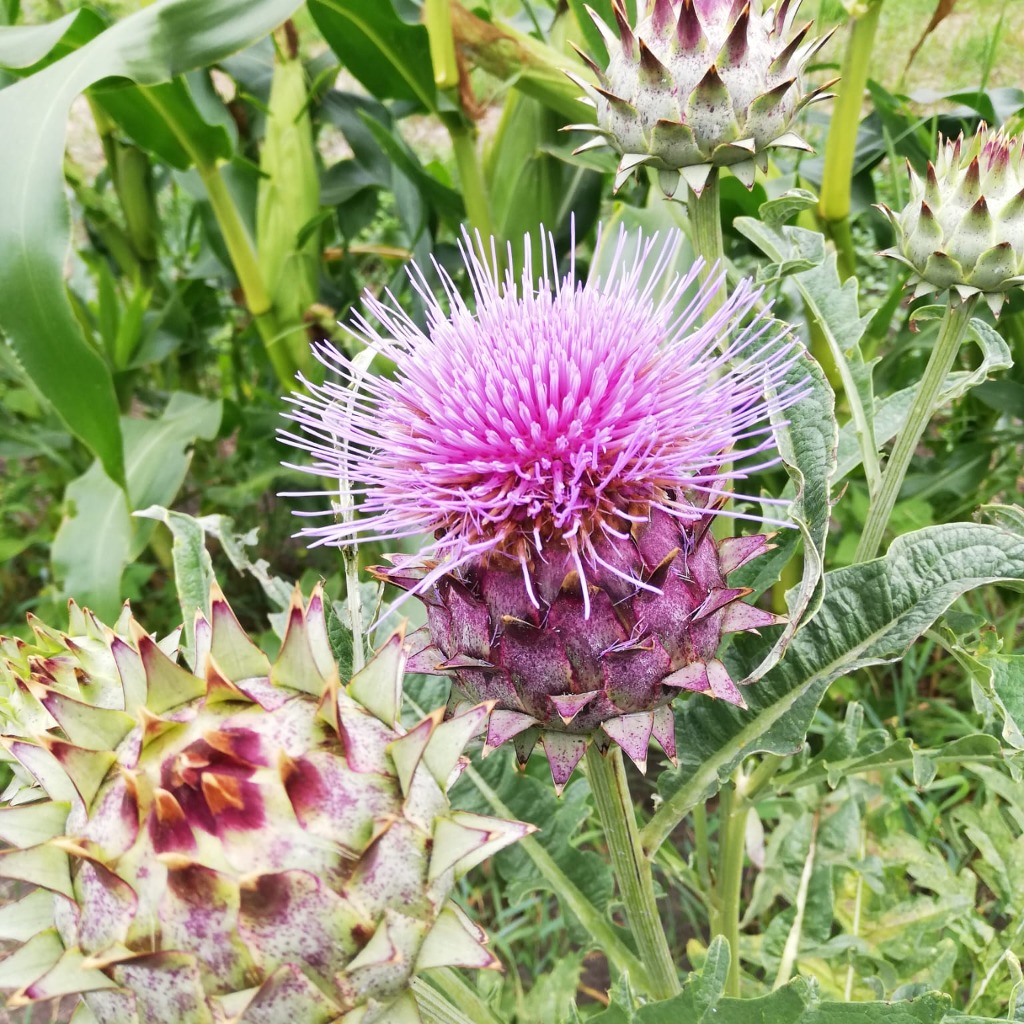
Artichoke
Learn the intricacies of growing artichokes and enjoy this Mediterranean delicacy. Discover how you can achieve a healthy, tasty harvest with passion and knowledge!
With a little care and knowledge, you can grow beautiful artichokes in the Dutch climate that not only have a Mediterranean appearance, but also offer a delicious, refined taste. Discover step by step how to grow the plants, feed them, protect them from the cold and harvest them at the right time, so that you can enjoy a healthy and tasty reward from your own garden year after year.
Preparation and cultivation
Sowing and germinating
Sow artichokes indoors from February in pots with airy sowing soil and keep the temperature around 20 degrees for even germination. Once the seedlings have two true leaves, you can transplant them into larger pots. Water regularly, but avoid wet feet. Place the young plants in a bright spot so that they grow firmly and compactly. This way you prepare them well for the transition outside.
Harden off and plant out
From mid-May, when the risk of night frost has passed, you can harden off the young artichoke plants by putting them outside for a little longer every day. Choose a sunny, sheltered spot with well-drained soil and work in some compost for a nutritious start. Plant the artichokes well apart so that they can develop properly. After planting, water generously and keep the soil moist but not soggy.
Early care and growth
Regular care is important in the first weeks after planting. Remove weeds carefully so as not to damage the young roots and provide extra water during drought. A mulch layer of straw or compost helps to retain moisture and limit weed growth. Check the plants for snails and other voracious visitors. With stable growth in the spring you lay the foundation for strong plants that will later form generous flower buds.
Planting and care
Choose the right location
Artichokes like a sunny, sheltered spot with well-drained soil. Choose a location where the plants are not too wet, because standing water causes root rot. Loosen the soil deeply and mix in some compost or well-decomposed manure to improve the structure. In the Dutch climate, a south-facing location is ideal, so that the plants receive sufficient heat. Take space into account, because artichokes form large rosettes and need at least half a meter of space to grow well.
Plant out in open ground
Only plant young artichokes when the risk of night frost has passed, usually in May. Place the plants a little deeper than they were in the pot and press the soil firmly. Water generously immediately after planting to ensure that the roots make good contact with the soil. If necessary, protect young plants with a fleece cloth in cold or windy weather. Regular watering is important in the first weeks so that growth gets underway and the plants can establish themselves firmly.
Care during the growing season
Keep the soil moist but not soggy and remove weeds to prevent competition. Give an occasional handful of organic fertilizer or compost in the summer to stimulate growth. Remove spent flower buds to promote new growth. In autumn you can protect the plants against frost by tying the leaves together and covering the base with straw or leaves. This way they overwinter better and you can count on vigorous regrowth the following year.
Harvest and store
When to harvest
Artichokes are ready for harvest when the flower buds are firm and closed, usually from June to August. Don't wait too long, because once the scales start to open, the heart becomes stringy and less tasty. Cut off the bud with a piece of stem of about ten centimeters, preferably in the morning when the plant is still cool. Check regularly as new buds can form quickly. By harvesting on time you also stimulate the plant to continue producing for longer.
Treat after harvest
After cutting, remove damaged outer scales and rinse the artichokes briefly. Drain them well and store them cool, but not too moist, to prevent mold. They will keep well in the refrigerator for several days, wrapped in a slightly damp cloth. For longer storage you can blanch and freeze the hearts. Make sure they are completely cool before packaging to retain their structure and flavour.
Store and use
Fresh artichokes taste best shortly after harvest, but with the right treatment you can use them later. Store them in the vegetable drawer or use them directly in dishes. Frozen hearts are ideal for stews or salads. You can also pickle artichokes in oil or vinegar for a Mediterranean stock. Make sure the jars are properly sterilized to prevent spoilage. This way you can enjoy your own harvest all year round.
Artichoke seeds 'Green Globe'
Strong, productive artichoke seeds that perform well in the Dutch climate. This variety produces large, fleshy flower buds with a mild taste and sturdy stems. Sow indoors in March, plant out after frost and enjoy a rich harvest in the summer. Suitable for both vegetable and ornamental gardens.
View productPlant cover for frost protection
A breathable, reusable cover that protects young artichoke plants against late frost, cold wind and sudden temperature changes. The cover extends the growing season, prevents frost damage to young shoots and promotes even growth. Suitable for use in early spring and late autumn.
View productOrganic vegetable fertilizer with extra potassium
Slow-release fertilizer that promotes the growth of sturdy stems and healthy flower buds. The extra potassium supports bud formation, increases the resistance of artichokes to diseases and drought and ensures long-lasting nutrition. Ideal for organic cultivation in Dutch gardens.
View productRecipe inspiration

Cheesy spinach & artichoke dip
Serve this moreish cheesy dip with tortilla chips, hunks of bread and crudités. It's perfect for a Christmas buffet or party
View recipe
Baked artichoke dip
Reader Margaret Cody shares her moreish party dish- the creamy vegetarian filling baked into a round loaf will go down a storm with guests
View recipe
Artichoke & lemon dip
Good with breadsticks, or try this with grilled lamb or as a topping for crostini
View recipe