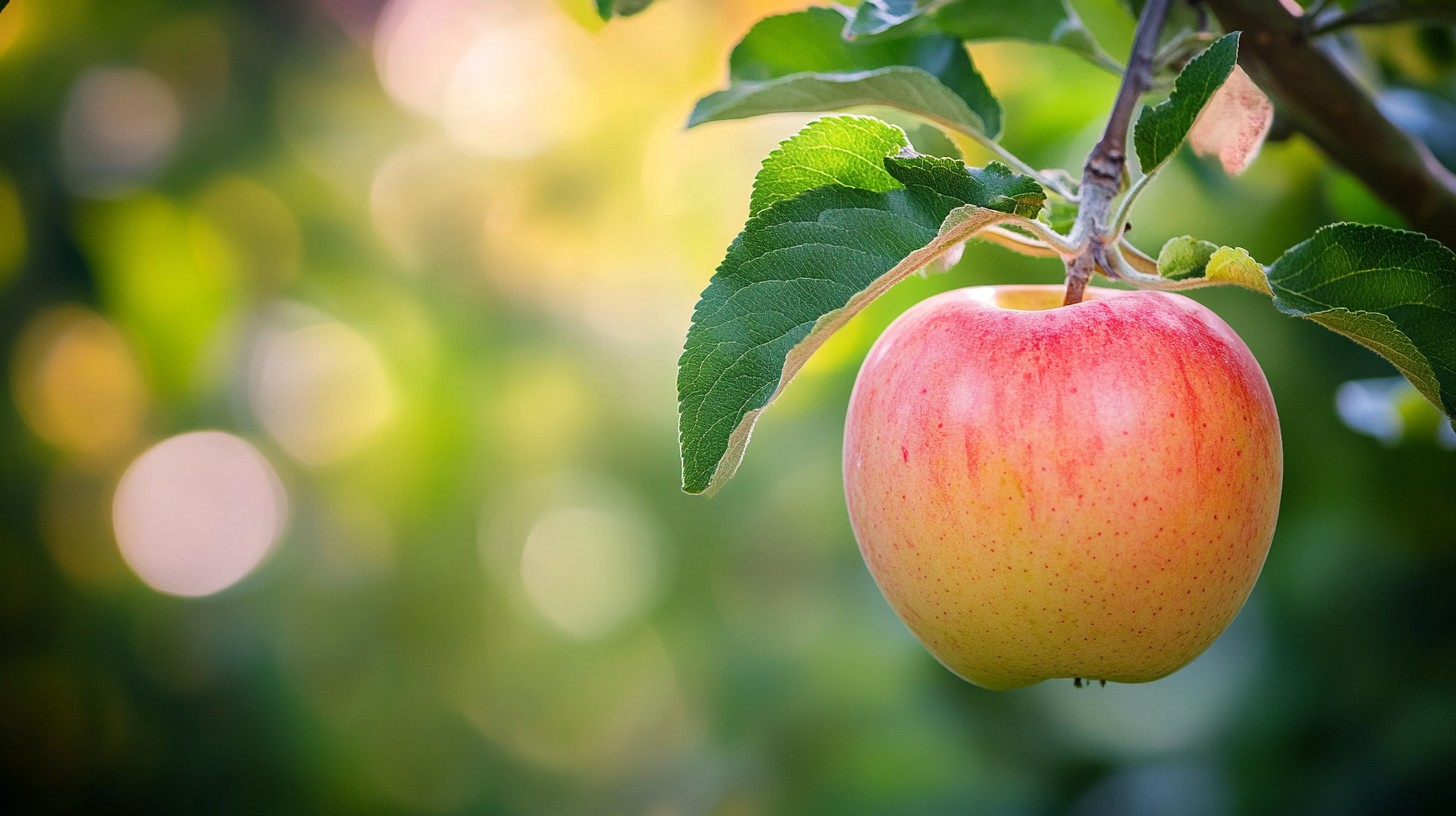
Apple trees
Learn how to grow healthy apple trees in the Netherlands with extensive tips on soil preparation, sowing, maintenance and harvest. Discover the secrets behind juicy apples and abundant fruit production.
In the Dutch climate, growing apple trees requires attention to soil structure, location and pruning. With the right preparation, fertilization and care, you can enjoy strong trees that bear juicy apples year after year. Learn how to stimulate growth, prevent disease, promote pollination and optimize harvest for rich, tasty and sustainable fruit production in your own garden.
Preparation and cultivation
Soil preparation for healthy roots
An apple tree requires an airy, nutritious soil with a neutral to slightly acidic pH. Dig the soil deeply in the autumn and mix in well-decomposed compost or stable manure. Avoid wet areas where water remains, as this can cause root rot. Good drainage and a sunny, sheltered position are essential. Check the soil structure by kneading a handful of soil: if it falls apart easily, the soil is suitable for planting. This way you lay the foundation for strong root development and healthy growth.
Choice of rootstock and variety
The right combination of rootstock and apple variety determines the vigor, fruit size and harvest time. In the Netherlands, half-stem and low-stem varieties do well because they are better able to withstand wind and are easier to prune. Choose varieties that can pollinate each other, such as Elstar with James Grieve or Cox's Orange Pippin. Pay attention to the flowering time and preferably choose disease-resistant varieties to limit the use of pesticides. By consciously selecting, you increase the chance of a rich harvest and a tree that remains vital for years.
Growing young apple trees
Preferably plant young apple trees in early spring or late autumn, when the ground is not frozen. Immerse the roots briefly in water before planting and ensure that the grafting site remains just above the ground. Press the soil firmly and water generously. Place a sturdy tree stake on the west side to prevent wind damage. In the first year, regular watering and keeping it free of weeds is important. A mulch of leaves or straw helps retain moisture and encourages healthy root growth.
Planting and care
When and how to plant out
Preferably plant young apple trees in autumn or early spring, when the ground is not frozen and still sufficiently moist. Dig a large planting hole, mix compost into the excavated soil and position the tree so that the graft site remains just above the ground. Press the soil well and water generously. Place a sturdy tree pole on the windward side to prevent crooked growth. A mulch of leaves or straw helps retain moisture and suppress weeds.
Care during growth
Keep the soil around the trunk free of weeds and water regularly during dry periods, especially in the first years. An annual application of organic fertilizer in early spring encourages healthy growth and fruit set. Check regularly for aphids, caterpillars and fungi and remove affected leaves immediately. Prune in winter to keep the crown open and to promote light. This way the tree remains vital and the fruits improve in taste and colour.
Maintenance and rejuvenation
After a few years, the tree can use rejuvenation pruning to replace old branches with young shoots. Remove crossing or inward growing branches to improve air circulation. Keep the base of the trunk free of grass and mulch annually with compost to improve the soil structure. Check the tree strap and post regularly and remove them once the tree is firmly rooted. With consistent maintenance, the apple tree remains productive and resistant to changing Dutch weather conditions.
Harvest and store
Determine the right harvest time
Apples are ripe when they peel easily with a gentle twist of the stem and the seeds are brown in colour. In the Netherlands, the harvest time varies from August to October, depending on the variety and the weather. Pick in dry weather to prevent mold formation and use both hands to avoid damage. Check the trees regularly, because not all fruits ripen at the same time. By harvesting at the right time, you maintain the best taste, firmness and storage life of your apples.
Store apples carefully
After harvest, a cool, dark and well-ventilated area is ideal for storing apples. Sort the fruits and remove any with spots or damage, as these can spread rot. Place the apples in one layer in wooden boxes or on crates with paper in between. Most varieties last for several months at a temperature of around 2 to 5 degrees. Check regularly for spoilage and use the less firm ones first for puree or juice.
Process apples and extend shelf life
In addition to storing apples, you can also process apples to enjoy the harvest for longer. Make applesauce, drying rings or cider, depending on the variety and your preference. By drying or pickling apples, you extend their shelf life without artificial additives. Use ripe but firm fruits for best results. In the Dutch autumn this is an ideal way to use surpluses and preserve the flavour of your own garden well into the winter.
Organic fruit tree food
This slow-release fertilizer has been specially developed for apple and other fruit trees. It promotes strong root growth, improves soil structure and supports healthy flowering and fruit set. The balanced composition with natural minerals and trace elements keeps the tree vital and productive. Ideal to use in spring and after harvest for a balanced diet.
View productTree pole with tree strap set
A sturdy tree pole with an adjustable tree strap helps young apple trees grow straight and prevents damage from wind. The set provides stability during the first years after planting and promotes good root contact with the soil. The durable materials are resistant to moisture and weather influences, allowing the tree to safely grow into a strong adult plant.
View productPruning shears for fruit trees
Sharp, ergonomic pruning shears make it easy to remove dead or crossing branches and keep the apple tree's crown airy. Regular pruning improves fruit quality and reduces the risk of fungal diseases. Thanks to the comfortable handle and the precise cutting blades, working for long periods of time is pleasant and efficient, even with thicker branches.
View productRecipe inspiration

Homemade apple pie
Try our classic Bramley apple pie with homemade shortcrust pastry. Simplicity is key to this traditional dish which makes for a comforting family pudding.
View recipe
Apple pie bars
Make the most of seasonal Bramley apples in British summertime and make these gorgeous apple pie bars. They're perfect served with a cuppa for elevenses
View recipe
Easy apple pie
Kids will love to help make and eat this comforting, classic fruity pudding with homemade shortcrust pastry
View recipe