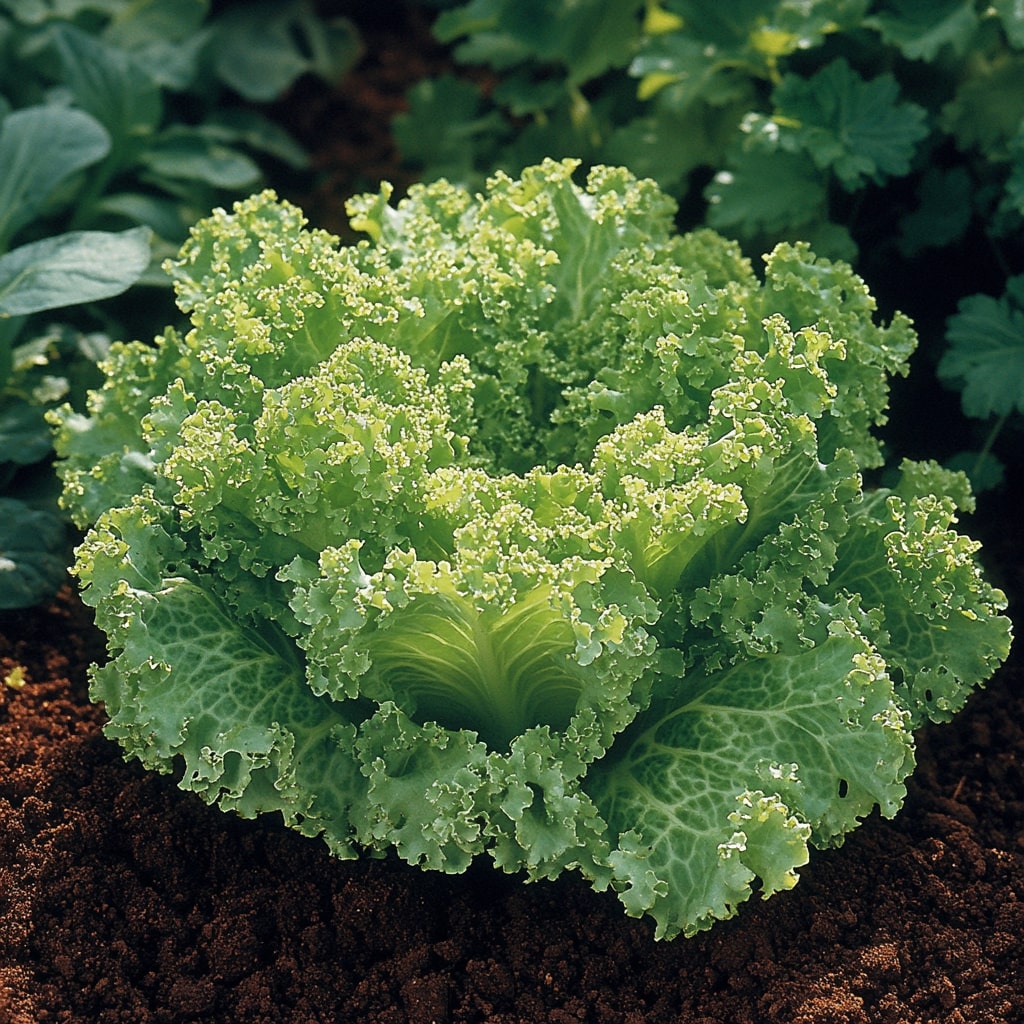
Endive
Learn how to grow endive successfully with proper seeding and care techniques for a consistent harvest of nutritious leaves.
Endive is a versatile leafy vegetable that grows excellently in the Dutch climate and tastes delicious both raw and cooked. By sowing on time, watering regularly and keeping the soil loose, you can enjoy crispy, nutritious leaves all season long. This vegetable fits perfectly in fresh salads, stews or hot dishes and is also easy to grow, even for novice vegetable gardeners.
Preparation and cultivation
Soil preparation for strong plants
Endive grows best in airy, nutritious soil with sufficient moisture. Dig the soil in early spring and mix in well-rotted compost or old farmyard manure. Make sure the pH is around neutral, because soil that is too acidic inhibits growth. Flatten the bed and remove stones and weeds. A loose structure helps the roots to develop properly and prevents water from standing. This way you lay a healthy foundation for a hearty and tasty harvest.
Sowing and transplanting young endive
Sow endive under glass or in a cold frame from March and directly outside from May. Use fine sowing soil and keep the temperature around 15 degrees for even germination. When the plants have two true leaves, carefully transplant them into separate pots or in the open ground with a space of 30 centimeters between them. Water immediately after transplanting and protect young plants from slugs and snails. This way each plant develops into a compact, healthy head.
Care during cultivation
During growth, endive needs regular water, especially in dry and warm weather. Keep the soil moist but not soggy to prevent root rot. Remove weeds in a timely manner so that the young plants receive sufficient light and nutrition. A light fertilization with compost tea or organic fertilizer halfway through the cultivation stimulates strong leaf growth. Check regularly for aphids and caterpillars and remove affected leaves immediately. This way the plants remain vital until they are planted out or harvested.
Planting and care
Planting out young endive
Place the young endive plants outside as soon as they are strong enough and the risk of night frost has passed, usually from the end of April. Choose a sunny to semi-shady spot with airy, moist soil. Plant them about 30 centimeters apart so that the heads can develop well. Press the soil lightly around the roots and water immediately. Planting in rows gives you an overview and makes it easier to weed and water during growth.
Watering and fertilizing
Endive likes an evenly moist soil, especially during warm or dry periods. It is better to water small amounts more often than a lot every now and then to prevent root rot. Light fertilization with compost or organic fertilizer supports leaf growth without the plants bolting too quickly. Check regularly that the soil is not drying out and remove weeds that compete for nutrients. This way the leaves remain tender and fresh green.
Protection and maintenance
Protect young plants against slugs and snails by keeping the edges of the beds clean and using natural barriers if necessary. Check regularly for aphids and remove affected leaves to prevent spread. Keeping the soil loose and weeding regularly will promote healthy growth. In the summer you can use shade cloth in warm weather to limit bolting. Keep a close eye on the plants for a consistent, tasty harvest.
Harvest and store
The right time to harvest endive
Endive is ready to harvest as soon as the head feels firm and the leaves are fresh green, usually six to ten weeks after sowing. Preferably harvest in the early morning when the leaves are still cool and crispy. Cut the head just above the root with a sharp knife and leave the outer leaves if necessary to protect the soil. By harvesting regularly, you stimulate new growth and you can enjoy fresh endive from your own garden for longer.
Storing endive after harvest
After harvesting, it is best to clean and lightly dry endive immediately. Store the leaves in a damp cloth or perforated bag in the vegetable drawer of the refrigerator. This way the vegetable stays fresh for up to a week and retains its crispy structure. For longer storage, you can briefly blanch and freeze endive, so that flavour and nutrients are retained. Avoid prolonged exposure to sunlight or heat to prevent wilting.
Process endive and extend shelf life
Fresh endive tastes best shortly after harvest, but with the right treatment you can extend its shelf life. Only wash the leaves just before use to prevent spoilage. For hot dishes you can briefly steam or stir-fry endive, while finely chopped raw leaves are ideal for salads. By drying or freezing leftovers, you reduce waste and always have a supply of healthy vegetables on hand, even outside the growing season.
Endive seeds for open ground
Choose a reliable variety of endive seeds that are resistant to bolting and are suitable for the Dutch climate. Sow in spring or autumn for a continuous harvest of fresh leaves. Provide sufficient moisture, airy soil and regular fertilization so that the plants continue to grow firmly, tender and tasty throughout the season.
View productOrganic vegetable fertilizer
Use a slow-release organic fertilizer to nourish the soil and encourage the growth of healthy, sturdy endive leaves. This fertilizer improves the soil structure, promotes soil life and prevents burning of young plants. Ideal for sustainable cultivation in the kitchen garden and suitable for all vegetable crops.
View productFine-mesh insect screen
Protect your endive bed against aphids, cabbage flies and other pests with a breathable, fine-mesh insect screen. It allows light, air and water to pass through but keeps harmful insects out. This way your plants stay healthy without chemical pesticides, perfect for organic gardens and reusable for several seasons.
View productRecipe inspiration

Somerset stew with cheddar & parsley mash
This warming crowd-pleaser is full of flavour and goodness. Use just one type of bean if you don't have two, and substituting cider with extra stock will also work well
View recipe
Sausage & leek mash pie
Enjoy sausages and kale with a cheesy mash topping made with leeks and mustard. You can freeze this pie for busy weeknights when you need to feed a crowd
View recipe
Sesame salmon, purple sprouting broccoli & sweet potato mash
Try this Asian-inspired salmon supper with a nutty sesame dressing, crisp veg and comforting sweet potato mash. It's healthy, low-calorie and rich in omega-3
View recipe