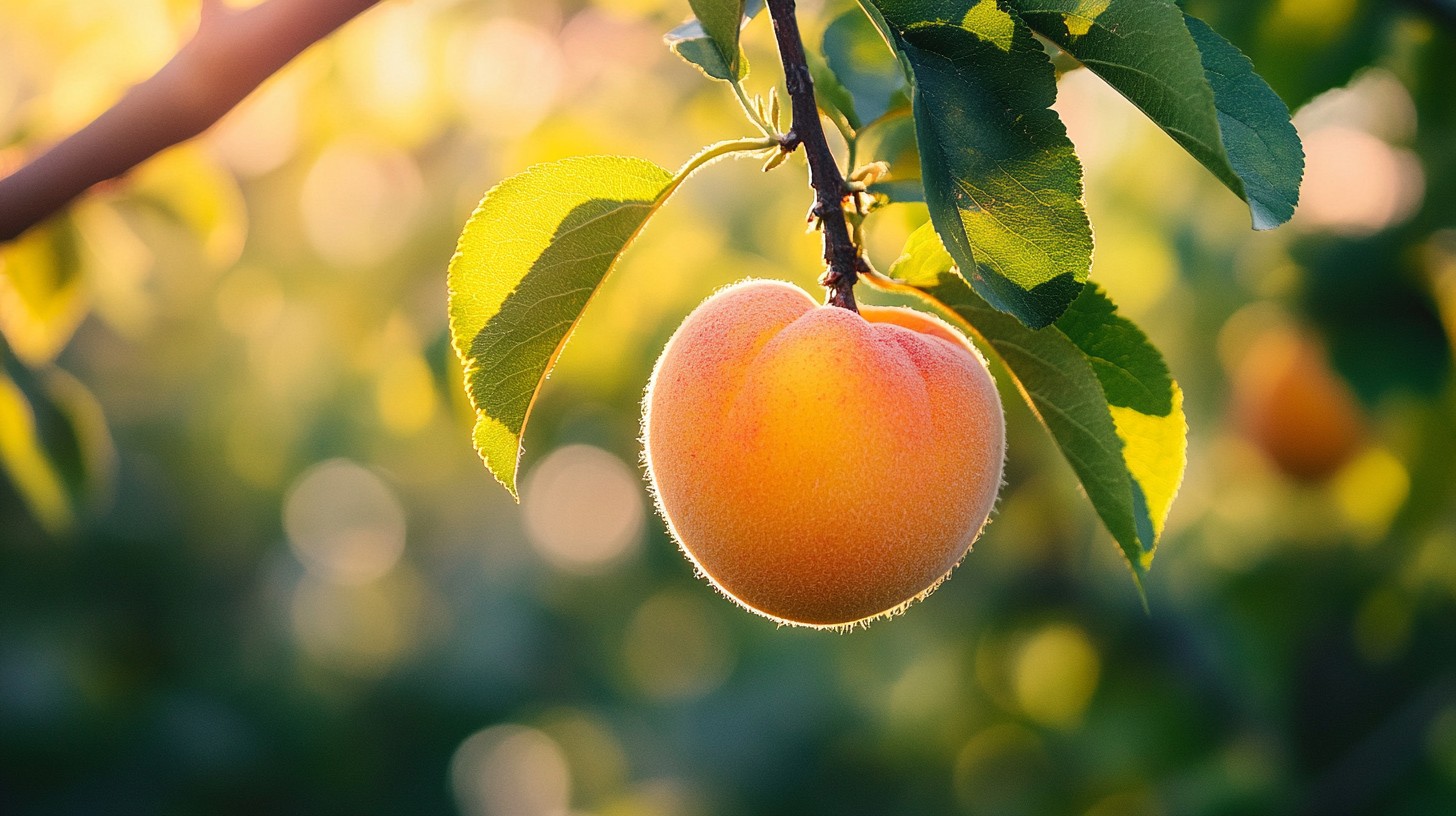
Apricots
Discover how to grow apricots successfully in the Netherlands with extensive tips on soil preparation, planting methods, maintenance and harvest. Learn how to grow sweet, juicy apricots in your garden.
With the right care and location, you can grow delicious apricots in the Netherlands. This sun-loving drupe requires a sheltered spot, nutritious soil and attentive pruning. By paying close attention to watering, fertilization and protection against frost, you will enjoy healthy trees and a rich harvest full of sweet, juicy fruits that are perfect for fresh consumption, homemade jam or drying apricots for later use.
Preparation and cultivation
Prepare soil and location
Apricots like a warm, sheltered spot with plenty of sun and a well-drained, calcareous soil. Choose a south wall or a corner away from the wind to protect the young tree from cold north winds. Work compost or well-decomposed manure into the soil to improve its structure and replenish nutrients. Avoid wet areas where water remains, as apricot roots do not tolerate prolonged humidity. An airy, loose soil promotes healthy root growth and prevents root rot.
Sowing and grafting apricots
Although apricots can be grown from pits, grafting onto a suitable rootstock gives more reliable results. Use a rootstock that suits the Dutch climate, such as St. Julien A, for strong growth and better winter hardiness. Graft in early spring when sap flow starts. Keep the young graft in a light, draft-free place and ensure even humidity. Once the graft has taken hold, the plant can be placed in a larger pot or directly in the ground.
Care of saplings
Young apricot trees require extra attention in the first years to ensure proper rooting. Water regularly during dry periods, but avoid leaving the soil too wet. Apply a layer of mulch in the spring to retain moisture and limit weed growth. Check for aphids and fungi, especially in humid weather, and remove affected leaves in a timely manner. Carefully guide the young branches into the desired shape and prune away weak or crossing shoots. In this way the tree develops a strong, open crown that later bears many fruits.
Planting and care
When and how to plant out
Plant young apricot trees in early spring or late autumn, when the ground is not frozen. Choose a sunny, sheltered spot against a south-facing wall or fence to take advantage of the heat. Dig a large planting hole, mix compost with the excavated soil and plant the tree slightly deeper than in the pot. Firm the soil well, water generously and place a tree stake for support during the early years. This gives the apricot a strong start.
Watering and fertilizing
Apricots like an evenly moist soil, but cannot tolerate wet feet. Water regularly during dry periods, especially during fruit set. Cover the soil with a layer of mulch to limit evaporation. In the spring you can add a handful of organic fertilizer or compost to stimulate growth. Avoid over-fertilizing with nitrogen, as this promotes leaf growth at the expense of the fruits. A balanced diet ensures healthy, sweet apricots.
Pruning and general care
Preferably prune apricots in the summer, immediately after harvest, to prevent infections. Remove dead or crossing branches and keep the crown open so that light and air can circulate properly. Check regularly for aphids and curl disease and treat in a timely manner with environmentally friendly products. Protect young trees in winter with fleece cloth or jute against frost cracks. With careful care, the tree remains vital and delivers a rich harvest for years to come.
Harvest and store
Determine the right harvest time
Apricots are ripe when they have a warm orange colour, yield slightly when pressed gently and release easily from the branch. In the Netherlands, the harvest usually takes place between the end of July and mid-August, depending on the variety and the weather. Pick in dry weather to prevent mold formation and use both hands to gently turn the fruit. Leave unripe apricots hanging for a while, because once picked they hardly ripen further. This way you preserve the full flavour and juiciness of each fruit.
Store apricots and keep them ripe
Store apricots in a cool, well-ventilated place, but not in the refrigerator if they are not fully ripe. Ripe fruits can be stored in the vegetable drawer for a few days, preferably in a single layer so that they do not bruise. If you want to keep them longer, process them immediately into jam, compote or freeze them after deseeding. By cooling quickly after harvest you better preserve the fresh taste and structure.
Drying and preserving for the winter
To keep apricots longer, you can dry them in a food dehydrator or oven at a low temperature until they are leathery but still pliable. Store the dried fruits in airtight jars in a dark, cool place. For preserving, you can halve apricots, stone them and preserve them in light sugar syrup. This way you can enjoy the summer taste in desserts, pastries or as a healthy snack in winter.
Apricot tree Prunus Armeniaca 'Goldrich'
Strong and productive apricot tree that can withstand the Dutch climate and produces large, orange fruits with a full, sweet taste early in the season. This variety grows compactly, is self-pollinating and does well in a sunny, sheltered spot in the garden or in a spacious container on the terrace.
View productOrganic fruit tree fertilizer
Slow-acting, natural fertilizer specially developed for fruit trees such as apricots, peaches and plums. The balanced composition with extra potassium and magnesium promotes healthy growth, strong root development and rich flowering. Regular use ensures better fruit set and a more intense flavour of the fruit without the risk of root burn.
View productTree mirror mulch discs made of coconut
Durable coconut mulch discs that are simply placed around the trunk of young fruit trees to retain moisture, limit weed growth and keep soil temperatures stable. They improve the air and water balance of the soil, protect against frost and help apricot trees to take root better in the changeable Dutch climate.
View productRecipe inspiration

Apricot jam
This delicious conserve is perfect for capturing the full flavour of apricots, make the most of seasonal fruit with our easy jam recipe
View recipe
Dried apricot jam
A delicious preserve made from storecupboard dried fruit- serve with hot buttered toast or present as a gift
View recipe
Apricot, almond & polenta cake
Pair almonds and apricots in this moreish cake. Made with polenta, the cake has a lovely moist texture and a fruity tang. Enjoy with crème fraîche
View recipe