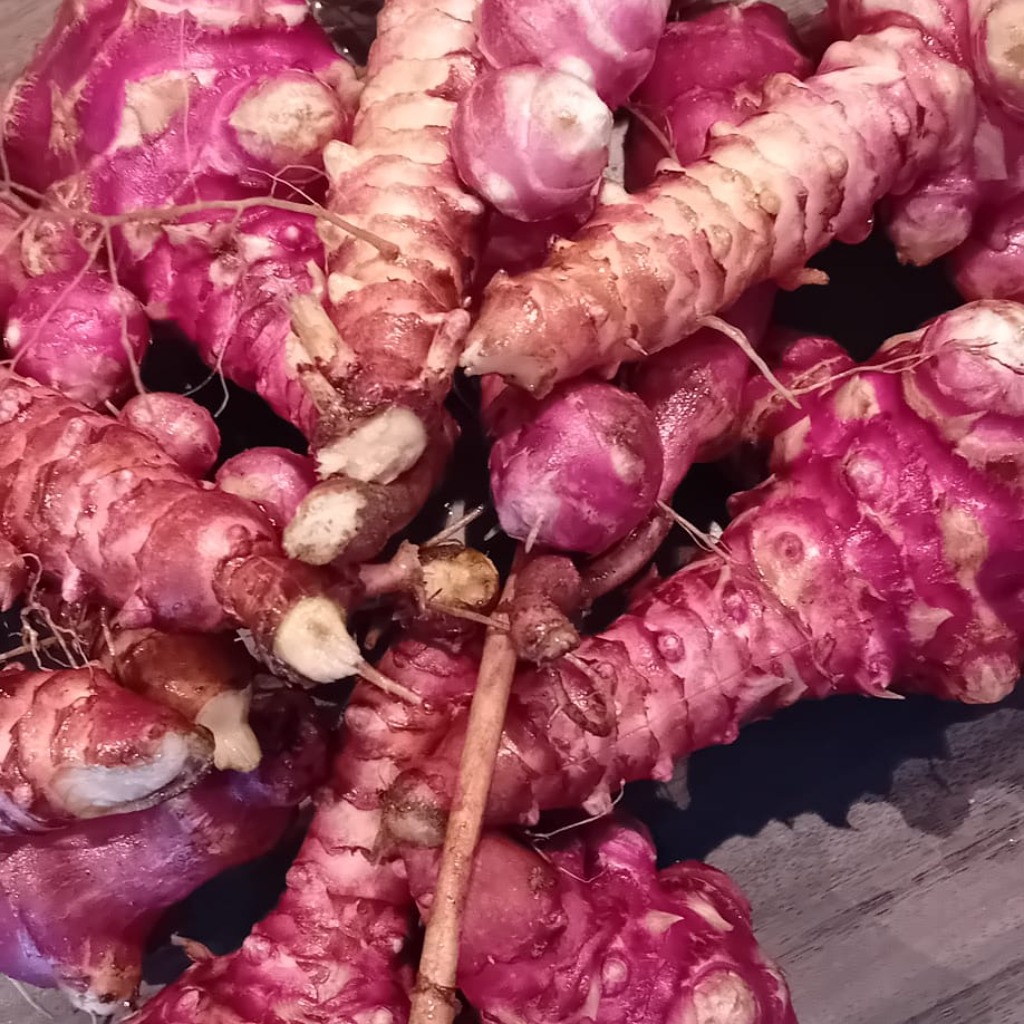
Jerusalem artichoke/Sunroot
Learn how to plant Jerusalem artichoke, the low-maintenance sun root, directly with tubers in the open ground. Discover the simple cultivation method, sun requirements and careful harvesting of this special vegetable.
The Jerusalem artichoke is a strong, low-maintenance vegetable that thrives in the Dutch sun. By planting the tubers directly in the ground, they effortlessly grow into a rich harvest. This sun root requires little care, but rewards with nutritious, nutty tubers that you can harvest in the autumn. Discover how you can set up a sustainable and productive Jerusalem artichoke cultivation in your own garden with simple steps.
Preparation and cultivation
Soil preparation and location
Choose a sunny spot for the Jerusalem artichoke with loose, well-drained soil. In early spring, dig the soil deeply and remove weeds and stones. Mix some mature compost or well-decomposed manure into the top layer to improve the structure. Avoid wet areas as standing water can rot the tubers. A light sandy or loam soil is ideal. By properly preparing the soil, you give the tubers a healthy start and stimulate vigorous growth throughout the season.
Selecting and planting tubers
Use firm, healthy Jerusalem artichoke tubers without soft spots or mold. Plant them from March to early April, as soon as the soil is no longer too wet. Place the tubers about four inches deep and a foot apart, with the growing points up. Leave about sixty centimeters of space between the rows so that the plants get enough light and air. Press the soil lightly and water when it is dry. Within a few weeks the first shoots will appear above the ground.
Rearing and early care
Once the young shoots emerge, keep the bed weed-free so that the plants are not crowded out. Water regularly during dry periods, especially during the first growth phase. Jerusalem artichoke grows quickly and forms a dense canopy that later suppresses weeds. If necessary, you can earth up the young plants to make them sturdier. Fertilization is usually not necessary, but a thin layer of compost in the spring supports healthy growth. This develops a strong crop with many tubers.
Planting and care
Plant out in the open ground
Plant the Jerusalem artichoke tubers in March or April as soon as the soil has warmed up enough and is no longer too wet. Choose a sunny spot with loose, well-drained soil and work in some compost for a nutritious start. Place the tubers about four inches deep and a foot apart, with the growing points up. Press the soil lightly and water to improve contact with the soil. Little care is required after planting, other than regular weeding in the initial stages.
Care during growth
Jerusalem artichokes grow vigorously and tolerate drought well, but an evenly moist soil promotes beautiful tuber formation. Provide extra water during prolonged drought, especially in June and July when the plants grow fastest. Remove weeds to prevent competition and hilling up can help support the stems. The tall plants can autumn over in strong winds, so tie them together or provide support if necessary. Fertilization is rarely necessary unless the soil is very poor.
Harvesting and aftercare
You can start harvesting from October, as soon as the foliage has died. Carefully cut out the tubers with a spading fork to avoid damage. Leave a few small tubers in the ground for the next crop, because Jerusalem artichokes grow back easily. Store harvested tubers cool and moist, for example in a box with sand. After harvesting, you can loosen the soil slightly and cover it with compost to maintain the soil structure for the next season.
Harvest and store
When to harvest
Jerusalem artichokes are ready to harvest as soon as the foliage begins to die back in late autumn, usually from November onwards. Wait until after the first light frost, because this makes the tubers sweeter in taste. Dig carefully with a digging fork to avoid damage and only bring up the amount you want to use immediately. You can safely leave the rest in the ground, because Jerusalem artichokes tolerate frost well and stay fresh until spring.
Preserving the harvest
If you want to store Jerusalem artichokes, brush off the soil but do not wash them. Store the tubers in a cool, dark and moist place, for example in a box with slightly damp sand or peat in a shed or cellar. This way they remain firm and tasty for several weeks. They dry out faster in the refrigerator, so pack them in a perforated bag there. Check regularly for soft spots and use those tubers first.
Smart reuse of tubers
When harvesting, always leave a few small tubers in the ground to automatically produce new plants next year. This makes the cultivation of Jerusalem artichoke particularly sustainable and low-maintenance. If you want to limit growth, carefully harvest all tubers, because any stragglers will quickly sprout again. By renewing part of the plot every year, you keep the plants vital and prevent them from growing too close together.
Plant tubers of Jerusalem artichoke (Helianthus tuberosus)
Use sturdy, healthy Jerusalem artichoke tubers to plant directly in the ground. Choose varieties that can withstand the Dutch climate and plant them in loose, well-drained soil. Water regularly during dry periods and keep weeds away for a bountiful harvest in autumn.
View productGarden tiller or soil loosener for loose soil
A light garden tiller helps to make the soil airy, loose and weed-free before planting Jerusalem artichokes. By properly tilling the soil, the tubers can develop better and you prevent water accumulation during wet periods. This promotes healthy growth and higher yields.
View productHarvest basket or sturdy crate for Jerusalem artichokes
After harvesting the Jerusalem artichokes, a breathable harvest basket is ideal for keeping the tubers clean, dry and well ventilated. This way they stay fresh longer and you can easily sort them for replanting or use in the kitchen. Choose a basket with sturdy handles for practical use.
View productRecipe inspiration

Truffled Jerusalem artichoke soup
Velvety smooth and supremely comforting, this winter soup makes the most of this underrated root, and celebrates any glorious leftover game birds
View recipe
Jerusalem artichoke & horseradish soup
A hearty and satisfying soup, perfect for the winter months
View recipe
Crispy Jerusalem artichokes with roasted garlic & rosemary
The unusual savoury tang of Jerusalem artichokes works well with the wild flavours of game. This dish is crispy on the outside and soft on the inside, just how we like it
View recipe